First Nations Fires: Urgent Calls for Investigation and Accountability
After a tragic death and continued home losses due to fires, First Nations leaders are demanding an investigation into alleged delays at the Human Rights Commission. Learn why this is a critical issue and what the future might hold.
First Nations Leaders Demand Investigation After Tragic Fire and Loss of Life
First Nations leaders are calling for an urgent investigation into what they describe as unacceptable delays at the Human Rights Commission, which they believe are contributing to a dangerous situation: recurring fires in their communities and the devastating loss of homes and, most tragically, lives.
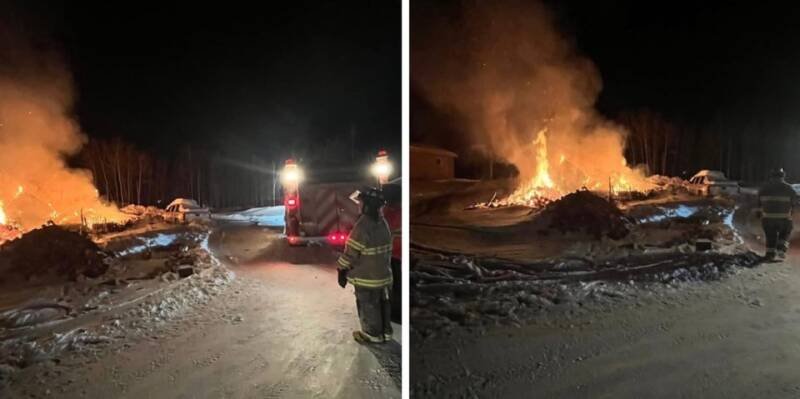
The call comes after the heartbreaking death of a child and the destruction of yet another home by fire. These recent events have amplified the sense of urgency and desperation within the First Nations community. Leaders are expressing deep frustration with the perceived inaction and lack of accountability from government bodies.
The Core Issue: Delays at the Human Rights Commission
The heart of the matter lies in the alleged delays within the Human Rights Commission. First Nations communities have filed complaints related to fire safety, housing conditions, and access to essential services. The assertion is that these complaints are not being addressed promptly enough, leaving vulnerable communities at continued risk.
The lack of timely action is perceived as a systemic failure that directly contributes to the dangerous living conditions faced by many First Nations individuals and families. Specifically, substandard housing, inadequate fire prevention measures, and limited access to emergency services are all cited as contributing factors to the heightened risk of fires.
The Role of the Auditor General
Complicating the matter further, the Auditor General has reportedly declined to intervene, leaving First Nations leaders feeling abandoned and without recourse. This decision has sparked outrage and deepened the distrust between the First Nations community and government institutions.
Leaders argue that the Auditor General's involvement is crucial to ensuring accountability and transparency in how government resources are allocated and managed within First Nations communities. The refusal to intervene is viewed as a further indication of systemic neglect and a lack of commitment to addressing the urgent needs of First Nations people.
Why This News Matters
This situation highlights the ongoing challenges faced by First Nations communities in Canada, particularly in areas of housing, safety, and access to essential services. It underscores the importance of holding government institutions accountable for fulfilling their responsibilities to Indigenous peoples, as outlined in treaties and legal agreements.
The lack of adequate fire safety measures and the slow response to human rights complaints represent a clear violation of the rights and well-being of First Nations individuals and families. This situation demands immediate attention and a commitment to meaningful change. This is a matter of life and death, and ignoring it perpetuates a cycle of injustice and suffering.
Our Analysis
In our opinion, the First Nations leaders have valid concerns. The reported delays at the Human Rights Commission, coupled with the Auditor General's decision not to intervene, paint a concerning picture of systemic indifference. It seems there is a breakdown in the mechanisms designed to protect the rights and safety of First Nations people. This breakdown is contributing to unacceptable outcomes like the loss of homes and, tragically, human lives.
The root causes of these issues are complex and multifaceted, ranging from historical injustices to ongoing systemic discrimination. Addressing these challenges requires a comprehensive and collaborative approach that involves all levels of government, First Nations communities, and relevant stakeholders. Token gestures are not enough; what's needed is concrete action and a genuine commitment to reconciliation.
Future Outlook
The pressure on the Human Rights Commission and government officials to respond to these concerns will likely continue to intensify. The First Nations community is mobilizing and raising awareness about the urgent need for action. This could impact the political landscape and influence future policy decisions related to Indigenous affairs.
Moving forward, it is essential that the following steps be taken:
- A thorough and independent investigation into the alleged delays at the Human Rights Commission.
- Increased funding and resources for fire prevention and emergency services in First Nations communities.
- Improved housing conditions and infrastructure in First Nations communities.
- Greater consultation and collaboration with First Nations leaders on matters affecting their communities.
- A renewed commitment to reconciliation and justice for Indigenous peoples in Canada.
Without concrete action, the cycle of tragedy and injustice will continue. It is imperative that all stakeholders work together to create a future where First Nations communities are safe, healthy, and thriving.