Femicides in Costa Rica: Understanding the Crisis and What's Next
Costa Rica grapples with rising femicide rates. Explore the causes, impact, and potential solutions to this urgent crisis of violence against women.
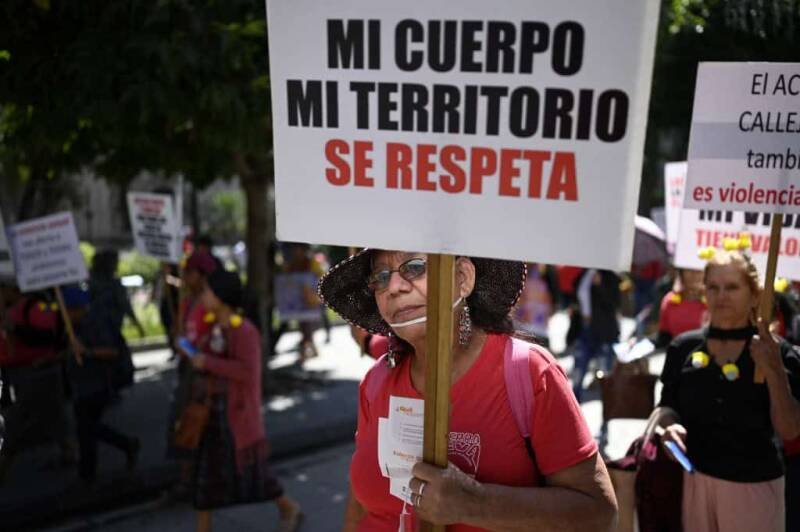



Costa Rica grapples with rising femicide rates. Explore the causes, impact, and potential solutions to this urgent crisis of violence against women.
Costa Rica is facing a serious challenge: a persistent high rate of femicides, the intentional killing of women because they are women. As of 2026, the country has already recorded 10 femicides, highlighting the ongoing struggle against violence against women, even as Costa Rican authorities attempt to manage other pressing challenges, like drug trafficking and organized crime.
While the current figure of 10 femicides is, according to Judicial Branch data, lower than a previous count of 16 femicides within the same period, it underscores the severity of the problem. The fight against crime cannot be divorced from the specific fight to protect women and safeguard their lives.
The high number of femicides is more than just a statistic. It reflects deep-seated issues within Costa Rican society. These issues include:
These ongoing tragedies spark legitimate concern within Costa Rica and beyond. It's crucial to recognize this as a human rights crisis that needs urgent, targeted action.
The fact that femicides persist, even amidst efforts to combat other forms of crime, suggests that a more holistic approach is needed. Simply addressing organized crime without tackling the underlying societal issues that contribute to violence against women will not solve the problem. In our opinion, Costa Rica needs to invest in comprehensive strategies that include prevention, protection, and prosecution.
A successful strategy should contain:
It is imperative that the legal system fully protects women and punishes aggressors. When violence goes unchecked, that signals a level of acceptance to perpetrators. If that is the case, femicide rates will continue to remain high.
The future depends on the commitment of the Costa Rican government, civil society organizations, and the international community to address this issue. If comprehensive strategies are implemented and adequately funded, there is hope for a reduction in femicide rates. However, continued inaction will likely result in the perpetuation of violence against women.
This could impact Costa Rica's international reputation. Countries with high femicide rates often face scrutiny and criticism from human rights organizations and international bodies. This scrutiny can affect tourism, investment, and diplomatic relations.
Ultimately, the fight against femicide is a fight for justice, equality, and human rights. It requires a collective effort to create a society where women are safe, valued, and respected. Only then can Costa Rica truly address this crisis and build a more just and equitable future for all.
























