Essex Police Condemn Violent Protest: What it Means and What's Next
Essex Police condemn violence at Epping protest, leading to convictions. Understand the implications, future outlook, and our expert analysis.
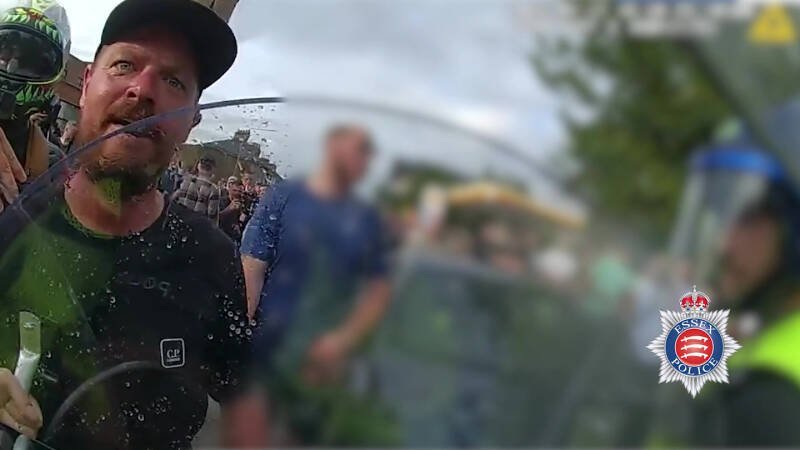



Essex Police condemn violence at Epping protest, leading to convictions. Understand the implications, future outlook, and our expert analysis.
Essex Police have strongly condemned the actions of a "violent mob" following a protest in Epping that turned ugly. The aftermath has seen two men convicted and two others pleading guilty, sending a clear message that violent behaviour during protests will not be tolerated. This incident raises important questions about the line between peaceful assembly and unlawful actions, and the role of law enforcement in maintaining order.
While specific details of the protest's cause weren't immediately released, the Essex Police described how a peaceful demonstration escalated into violence. This included assault and damage to property, leading to the intervention and subsequent arrests of multiple individuals. The police have emphasized that they respect the right to peaceful protest, but will act decisively against anyone engaging in unlawful behaviour.
Two men have now been convicted in connection with the violent events, while two others have pleaded guilty. This signals a serious legal consequence for those involved, highlighting the potential for criminal charges arising from protest-related violence. The specifics of the charges and sentencing are crucial to understanding the severity of the offences committed.
This incident underscores the importance of upholding the law, even during times of protest. A healthy democracy protects the right to express dissent, but that right must be exercised responsibly and within legal boundaries. When protests turn violent, they undermine the cause they are meant to promote and can damage community relations.
Moreover, this case serves as a deterrent. The convictions and guilty pleas send a strong message to others contemplating similar actions that violence will not be tolerated and will result in serious consequences. It reinforces the idea that individuals are accountable for their actions, regardless of the context of a protest.
In our opinion, the Essex Police's strong condemnation is necessary to maintain public trust and ensure the safety of all citizens. The fact that the police were swift in their response and have secured convictions demonstrates their commitment to upholding the law. This sends a signal that they will not tolerate violence, even if it occurs during a protest.
It's also important to remember that the actions of a few do not represent the views of all protesters. Most individuals who participate in demonstrations do so peacefully and with the intention of raising awareness about important issues. It's crucial to differentiate between lawful assembly and criminal behaviour. In our opinion, the media should also play a role in highlighting the distinction between peaceful protest and violent acts.
This event could impact how future protests are policed in Essex. The police may implement stricter crowd control measures, and may be more proactive in identifying and arresting individuals who engage in violent behaviour. This could lead to increased tensions between law enforcement and protesters, particularly if perceived as an infringement on the right to peaceful assembly.
Looking ahead, it's vital to foster open communication between law enforcement and community groups to prevent future escalations of violence. Providing clear guidelines on acceptable behaviour during protests, and ensuring that police officers are trained in de-escalation techniques, could help to prevent similar incidents from occurring in the future. This could impact local politics and the relationship between the community and the authorities.
Furthermore, understanding the underlying causes of the protest itself is essential. Addressing the grievances and concerns of the community may help to reduce the likelihood of future protests turning violent. By focusing on dialogue and finding common ground, communities can work together to address issues peacefully and constructively.