DOJ Proposal Could Shield Lawyers, Raising Oversight Concerns
The Department of Justice is proposing a rule that would allow it to intervene in state bar investigations of its lawyers. Critics worry this could weaken accountability.
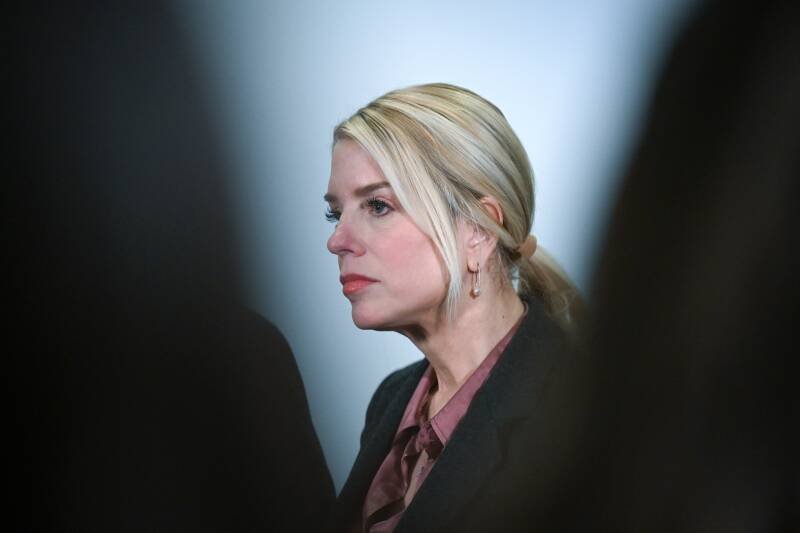



The Department of Justice is proposing a rule that would allow it to intervene in state bar investigations of its lawyers. Critics worry this could weaken accountability.
The Department of Justice (DOJ) is considering a change to its rules that would significantly impact how its lawyers are held accountable for professional misconduct. The proposed rule would allow the DOJ to step in and represent its lawyers in state bar investigations, potentially shielding them from independent scrutiny.
Currently, if a state bar association investigates a DOJ lawyer for alleged ethical violations, that lawyer is generally responsible for their own defense. The proposed rule change would allow the DOJ to represent its attorneys in these proceedings. This means the DOJ, rather than the individual lawyer, would control the narrative and legal strategy.
This seemingly technical change has significant implications for the accountability of government lawyers. State bar associations play a crucial role in ensuring that lawyers, including those working for the government, adhere to ethical standards. They act as an independent check, investigating complaints of misconduct and, if necessary, imposing disciplinary measures like suspension or disbarment.
If the DOJ is allowed to intervene in these investigations, it could create a conflict of interest. The DOJ has an inherent interest in protecting its employees and its reputation. This could lead to a situation where the DOJ prioritizes defending its lawyer over uncovering the truth or ensuring ethical conduct.
In our opinion, this proposal raises serious concerns about the independence of legal oversight. While the DOJ argues that it is merely seeking to ensure its lawyers are adequately represented, the potential for abuse is clear. The DOJ's intervention could intimidate witnesses, control the flow of information, and ultimately influence the outcome of state bar investigations.
This could impact the integrity of the legal system and erode public trust in government lawyers. If DOJ lawyers are perceived as being above the law, it could undermine the rule of law itself. Imagine, for example, a situation where a DOJ lawyer is accused of prosecutorial misconduct. If the DOJ controls the defense, will the state bar association be able to conduct a truly independent investigation?
Consider also that many investigations might be impacted. It's reasonable to expect the number of cases where the DOJ steps in would be a significant majority.
The proposed rule is currently under consideration. It is likely to face significant opposition from legal ethics experts, bar associations, and civil rights groups. The debate will likely focus on the importance of independent oversight and the potential for conflicts of interest.
It's possible that the DOJ will revise the proposal in response to these concerns. For example, it could include provisions to ensure that state bar associations retain ultimate control over investigations or that independent counsel is appointed in certain cases.
However, the DOJ seems determined to proceed with some form of rule change. The ultimate outcome will depend on the intensity of the opposition and the DOJ's willingness to compromise.
Ultimately, the future of legal ethics and accountability may depend on the outcome of this debate. The balance between protecting government lawyers and ensuring ethical conduct is a delicate one, and the proposed rule change could tip the scales in the wrong direction.
























