Dinajpur Medical College Interns Strike: What You Need to Know
Interns at Dinajpur Medical College Hospital are on strike following an alleged assault on a physician. Learn about the details, the impact, and what this means for healthcare in the region.
Dinajpur Medical College Interns Strike After Alleged Assault on Physician
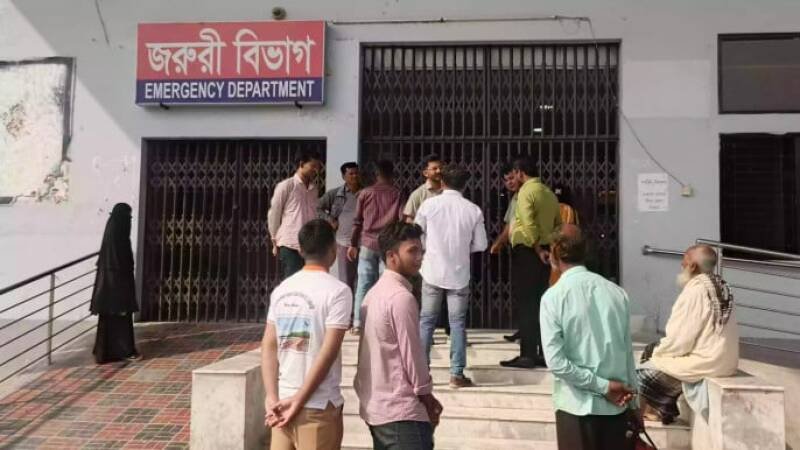
Interns at Dinajpur Medical College Hospital (DMCH) in Bangladesh initiated a strike early this morning following reports of an assault on one of their physicians. The protest began around 3:30 AM, with interns reportedly locking the gates of the emergency department, according to hospital sources.
Details of the Incident
While specific details surrounding the alleged assault are still emerging, the interns' action effectively disrupted emergency services at the hospital. This kind of action, while understandable from the interns' perspective, can have serious consequences for patients needing immediate medical attention.
Why This News Matters
This strike highlights a critical issue facing healthcare professionals in Bangladesh and many other countries: workplace safety and security. Physicians, especially those in training (interns), often work long hours in stressful environments. Any perceived threat to their well-being can understandably trigger strong reactions. This incident also raises concerns about access to emergency medical care for the residents of Dinajpur.
Our Analysis
In our opinion, this situation points to a deeper systemic problem. The reported assault may be a symptom of a larger issue, such as inadequate security measures at the hospital, poor communication between hospital administration and staff, or even a lack of respect for healthcare professionals. The immediate cause may have been the assault, but the underlying reasons are likely more complex.
It's crucial to remember that medical interns are still in training. They are learning to cope with the immense pressures of the medical profession. An incident like this can be deeply traumatizing and affect their future career choices. A safe and supportive work environment is essential for fostering the next generation of doctors.
Possible Triggers and Context
It’s important to consider the potential triggers that may have led to the alleged assault. Frustration from patients or their families due to long waiting times, perceived inadequate care, or simply the stress of dealing with a medical emergency can sometimes unfortunately lead to aggression. Understanding the context surrounding the incident is crucial for finding a lasting solution.
Future Outlook
The immediate priority is to resolve the strike and restore normal operations at the Dinajpur Medical College Hospital emergency department. This requires a multi-pronged approach:
- Investigation: A thorough and impartial investigation into the alleged assault is essential.
- Dialogue: Open communication between the hospital administration and the interns is crucial to address their concerns and find a mutually acceptable resolution.
- Security Measures: The hospital administration needs to review and enhance security measures to prevent future incidents and ensure the safety of all staff.
- Addressing Systemic Issues: Looking beyond the immediate incident, the hospital should address any underlying issues that contribute to a stressful or unsafe work environment.
This situation could impact patient care significantly if not addressed quickly. Prolonged strikes can lead to delays in treatment, increased patient suffering, and even preventable deaths. It also erodes public trust in the healthcare system. In our opinion, a proactive and empathetic approach is needed to resolve this crisis and prevent similar incidents in the future.
Moving forward, hospitals and medical colleges need to prioritize creating a supportive and secure work environment for their staff. This includes investing in security measures, providing adequate training on conflict resolution, and fostering a culture of respect and open communication.