Dhaka Metro Shut Downs: Pahela Baishakh and Shahbagh Closures Explained
Dhaka Metro station closures explained: Pahela Baishakh and Shahbagh impacts. Get the latest details, future outlook, and expert analysis.



Dhaka Metro station closures explained: Pahela Baishakh and Shahbagh impacts. Get the latest details, future outlook, and expert analysis.
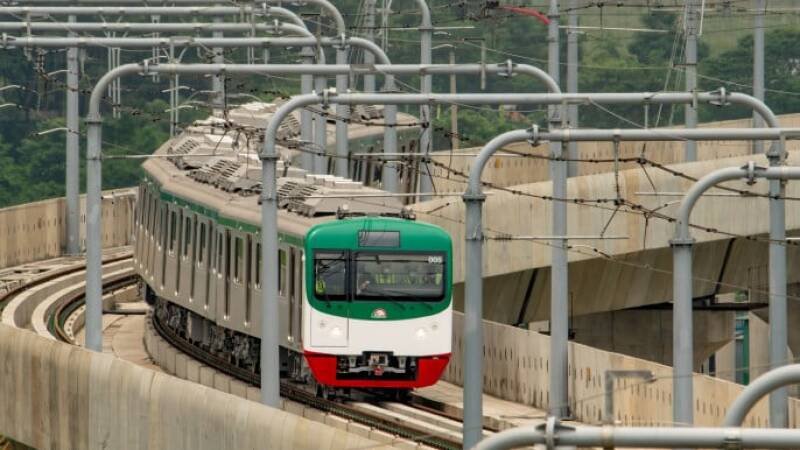
Dhaka's metro rail system will experience temporary closures on Pahela Baishakh (Bengali New Year) and in the Shahbagh area, causing some disruption to commuters. Metro rail authorities have issued an apology for any inconvenience this may cause to passengers.
On Pahela Baishakh, a major public holiday celebrating the Bengali New Year, a specific metro station will be temporarily shut down. This closure aims to manage crowds and ensure public safety during the festivities. Details about which stations are closed and for how long were not disclosed in the source material.
The Shahbagh station will also experience a shutdown, but only until noon. This closure is likely related to planned events or activities in the Shahbagh area, a central hub for cultural and political gatherings in Dhaka.
These metro closures, although temporary, are significant because they affect a large number of daily commuters who rely on the metro for transportation in Dhaka. The metro is a relatively new and efficient mode of transport, and any disruption can lead to increased traffic congestion on roads, longer commute times, and potential delays for individuals trying to reach their destinations.
Furthermore, the closures highlight the challenges of managing large crowds during public holidays and events. Public safety is paramount, and authorities must take precautions to prevent accidents or overcrowding. At the same time, it's crucial to minimize disruption to public transport and ensure accessibility for all citizens.
In our opinion, while the authorities' concerns about public safety are valid, improved communication and planning could help mitigate the impact of these closures. Providing more advance notice about the specific stations affected and offering alternative transport suggestions would be beneficial.
The reliance on closures as a crowd management strategy raises questions about alternative solutions. Could increased security presence, improved crowd control measures within stations, or staggered event timings be implemented to reduce the need for complete shutdowns? We believe exploring these options would be a proactive approach.
This type of temporary metro closure might be expected during other significant public holidays and events. The key lies in learning from each instance and refining the strategies for balancing public safety and minimizing commuter inconvenience.
This could impact commuters that don't know about this closure, leading to crowded roadways. In our opinion, Dhaka metro needs to be more proactive in advertising station closures.
Ultimately, the Dhaka Metro's ability to adapt to the needs of its growing user base, while ensuring safety and minimizing disruption, will be crucial for its continued success. The closures serve as a reminder of the delicate balance between public safety and public convenience.