Dannebroge Warship Discovery: Nelson's Era Unveiled After 225 Years
Divers discover the Dannebroge, a Danish warship sunk by Nelson's fleet, after 225 years. Explore the historical significance and future preservation efforts.
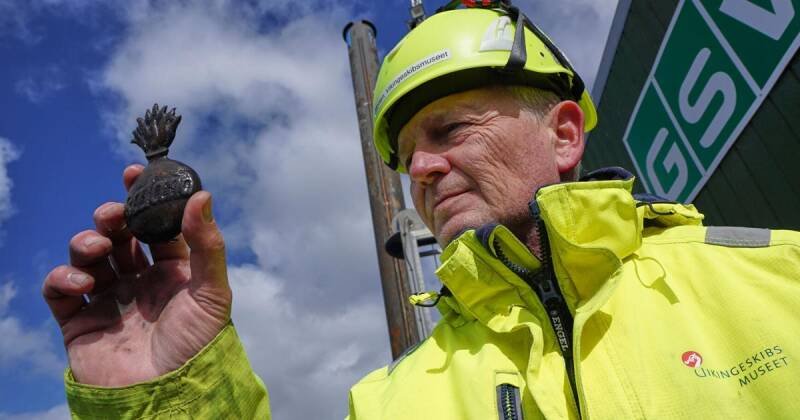



Divers discover the Dannebroge, a Danish warship sunk by Nelson's fleet, after 225 years. Explore the historical significance and future preservation efforts.
After 225 years submerged in the Baltic Sea, the wreck of the Dannebroge, a Danish warship sunk during the Battle of Copenhagen in 1801 by Admiral Nelson's British fleet, has been discovered. This incredible find offers a unique glimpse into a pivotal moment in European naval history.
The Battle of Copenhagen was a major naval engagement during the Napoleonic Wars. The British, under the command of Vice-Admiral Horatio Nelson, attacked the Danish fleet anchored in the harbor of Copenhagen. The battle was fiercely contested, and despite heavy losses, the British ultimately prevailed, forcing Denmark-Norway to remain neutral and preventing their fleet from falling into Napoleon's hands. The Dannebroge was one of the ships lost during that crucial battle.
The discovery was made in challenging conditions. Divers faced thick sediment and near-zero visibility while working to identify the wreck. Now, a new challenge looms: the site is potentially located near a construction zone. This means a race against time to properly document and, if possible, salvage artifacts from the Dannebroge before construction activities potentially damage the site.
The discovery of the Dannebroge is significant for several reasons. Firstly, it provides tangible evidence of a key naval battle that shaped the course of European history. Secondly, the wreck offers a unique opportunity to study 18th-century naval architecture, shipbuilding techniques, and the lives of sailors who served aboard these warships. The artifacts recovered could tell stories that historical documents simply cannot.
In our opinion, the urgency surrounding this discovery cannot be overstated. The potential destruction of the wreck site due to construction activities would be a tragic loss for maritime history. It highlights the constant tension between development and the preservation of our cultural heritage. We believe that every effort should be made to ensure the proper documentation and protection of the Dannebroge.
The challenges facing the divers – thick sediment and low visibility – are typical of underwater archaeological sites in the Baltic Sea. These conditions require specialized equipment and expertise to ensure the safe and effective recovery of artifacts.
The immediate future will likely involve intensive underwater investigation and documentation of the wreck site. Archaeologists will need to carefully map the site, identify key features of the ship, and assess the condition of any artifacts that are present. There will be a push to recover artifacts for preservation and display. The collaboration between historians, archaeologists, and government agencies will be crucial to ensure the successful preservation of this historical treasure.
This could impact future salvage laws in the area if the current laws are not sufficient to protect such historic shipwrecks from development. In our opinion, this discovery should serve as a catalyst for strengthening protections for underwater cultural heritage sites.
It's likely that a variety of artifacts could be recovered from the Dannebroge, including:
These artifacts would provide valuable insights into the daily lives of sailors, the technology used in 18th-century naval warfare, and the construction of warships during that era. Analyzing these artifacts could potentially rewrite sections of what we currently know about the Battle of Copenhagen.
Ultimately, the discovery of the Dannebroge is a reminder of the rich history that lies beneath the waves, and the importance of protecting these underwater cultural treasures for future generations.
























