Croatia Declared Mine-Free: A Victory for the Mine Ban Treaty
Croatia achieves mine-free status after 30 years of clearance. What does this mean for global mine action and the Mine Ban Treaty? Our analysis and future outlook.



Croatia achieves mine-free status after 30 years of clearance. What does this mean for global mine action and the Mine Ban Treaty? Our analysis and future outlook.
After three decades of painstaking effort and a significant investment of US$1.38 billion, Croatia has officially declared itself free of landmines. This marks a major milestone for the country, which suffered extensively from landmine contamination during the conflicts in the Balkans in the 1990s.
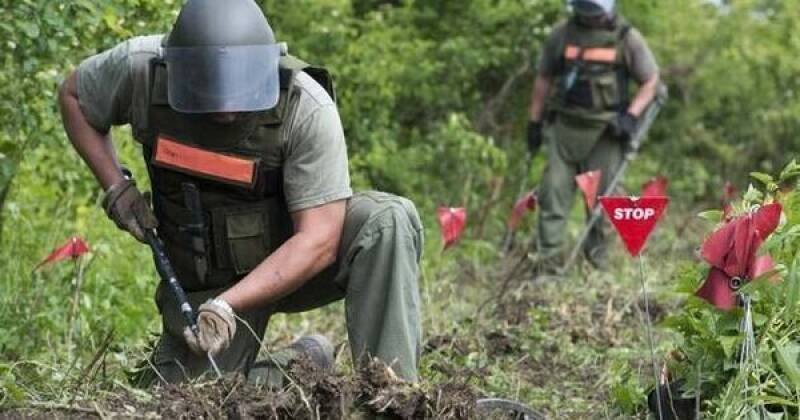
The legacy of war left Croatia with a severe landmine problem, impacting both civilians and economic development. Hundreds of civilians were killed or injured by these deadly remnants, and vast swathes of land became unusable, hindering agriculture, tourism, and infrastructure projects. The demining process was arduous, requiring specialized equipment, trained personnel, and meticulous attention to detail to locate and safely remove the mines. The total area cleared amounted to more than 130 square kilometers.
Croatia's success is also a victory for the Mine Ban Treaty, formally known as the Ottawa Treaty, which prohibits the use, stockpiling, production, and transfer of anti-personnel mines. The treaty aims to eliminate these indiscriminate weapons and assist victims of mine-related accidents. As a signatory to the treaty, Croatia committed to clearing all known mined areas within its territory.
Croatia's achievement demonstrates that, despite the challenges, the Mine Ban Treaty is effective. It shows that with commitment, resources, and international cooperation, even heavily contaminated countries can become mine-free. This provides a positive example for other nations struggling with landmine contamination, particularly in regions affected by ongoing conflicts.
Furthermore, this news highlights the importance of continued funding and support for mine action programs worldwide. While Croatia has achieved its goal, many other countries still face significant landmine threats, impacting their security, development, and human rights.
In our opinion, Croatia's mine-free status is a testament to the power of international treaties and collaborative efforts. The country's dedication to fulfilling its obligations under the Mine Ban Treaty, coupled with significant financial investment and technical expertise, has yielded remarkable results. This demonstrates the feasibility of eliminating landmines, even in complex and challenging environments.
However, it's important to acknowledge the limitations. While Croatia is now declared mine-free, the risk of encountering unexploded ordnance (UXO) may still exist in certain areas. Continued vigilance and awareness campaigns are crucial to prevent future accidents. This could impact tourism and agriculture if people aren't careful. Finally, it's important to note that the cost of achieving this goal was substantial, raising questions about the affordability of such large-scale mine action programs for less affluent nations.
Croatia's experience offers valuable lessons for other countries striving to eliminate landmines. Key takeaways include the importance of strong political will, comprehensive national mine action plans, effective coordination among stakeholders, and sustained international support. Other countries will need to make a commitment to allocating the necessary resources and training to accomplish the goal of being mine-free.
The global mine action community should continue to prioritize the most heavily contaminated countries and focus on innovative technologies and strategies to accelerate the clearance process. Victim assistance programs are also essential to provide long-term support to those affected by landmines and other explosive remnants of war. In the future we will see a shift towards countries improving the way they identify at-risk populations and provide resources to increase education and accessibility to demining efforts.
In our view, the momentum generated by Croatia's success should be leveraged to further strengthen the Mine Ban Treaty and promote its universal adoption. While there is more work to be done, it is encouraging that Croatia has successfully cleared the mines from the region, and hopefully one day, mines will no longer be a threat to the globe.