China Airlines Cargo Plane Diversion: Safety Protocol and Impact Analysis
A China Airlines cargo plane diverted to Whitehorse after a smoke alert. We analyze the incident, its potential causes, and the implications for air cargo operations and safety procedures.
China Airlines Cargo Plane Makes Emergency Landing in Whitehorse
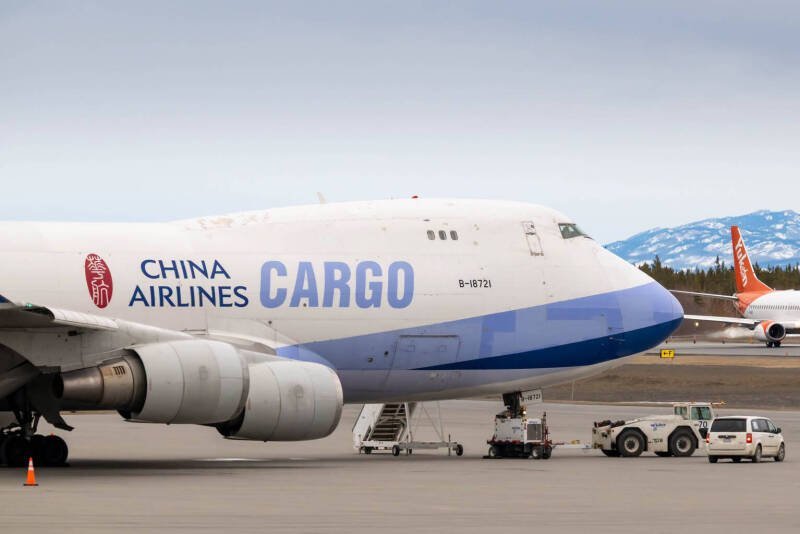
A China Airlines cargo plane made an unscheduled landing in Whitehorse, Yukon, Canada, after a smoke indicator alerted the crew. Thankfully, the Boeing 747 landed safely, and no injuries were reported among the crew members. This incident highlights the crucial role of onboard safety systems and the effectiveness of pilot training in handling emergency situations.
The Incident: A Closer Look
While specific details about the source of the smoke alarm are still under investigation, the initial indication triggered a rapid response from the flight crew. Following established safety protocols, they opted to divert to Whitehorse Airport, a suitable alternate airport with the necessary facilities to handle a large aircraft. The swift decision-making and execution by the pilots ensured a safe landing and prevented a potentially more serious situation.
Why This News Matters
This incident, while seemingly minor as no one was hurt, has several important implications:
- Reinforces Aviation Safety Standards: It demonstrates the effectiveness of built-in safety mechanisms and established emergency procedures in commercial aviation.
- Highlights Pilot Training: The pilots' quick and decisive actions showcase the importance of rigorous training and preparedness for unexpected events.
- Potential Disruptions to Cargo Schedules: Any unscheduled landing can create ripples in supply chains, delaying cargo deliveries and potentially impacting businesses reliant on timely shipments.
- Focus on Maintenance and Inspection: This incident will likely trigger a thorough inspection of the aircraft to identify the cause of the smoke alarm, emphasizing the critical role of regular maintenance in preventing future incidents.
Our Analysis
In our opinion, this event underscores the inherent risks associated with air travel, even in cargo operations. While aviation is statistically one of the safest modes of transportation, incidents like this remind us of the importance of constant vigilance and adherence to safety protocols.
The quick thinking of the flight crew likely averted a more significant problem. Further investigation is needed to determine the root cause of the smoke alarm. Was it a malfunction in the aircraft's systems, or was there an external factor? Identifying the source is crucial to prevent similar incidents from occurring in the future. This could impact future maintenance schedules for this specific aircraft and perhaps the entire fleet.
Possible Causes of the Smoke Alarm
While the exact cause remains under investigation, potential scenarios include:
- Electrical Malfunction: A short circuit or faulty wiring could have triggered the smoke alarm.
- Cargo Fire: Although less likely, a fire within the cargo hold cannot be ruled out until a thorough inspection is conducted.
- Engine Issue: Problems with one of the aircraft's engines could potentially generate smoke that finds its way into the cabin.
- Sensor Malfunction: While less common, a faulty smoke detector could trigger a false alarm.
Future Outlook
The China Airlines aircraft will remain in Whitehorse until a comprehensive inspection is completed and any necessary repairs are made. The investigation's findings will likely be shared with aviation authorities and may lead to adjustments in safety protocols or maintenance procedures across the industry. We anticipate that the incident will be thoroughly reviewed to identify lessons learned and improve future safety measures.
Looking ahead, this event may prompt airlines to reassess their diversion procedures and ensure that pilots are adequately trained to handle similar emergency situations. Furthermore, it could lead to increased scrutiny of cargo handling procedures to minimize the risk of fires or other incidents during flight. This could impact the cost of air cargo and lead to tighter regulations.
The airline industry is constantly evolving, with a continued focus on safety and efficiency. This incident, while disruptive, provides a valuable opportunity to learn and improve, ultimately making air travel even safer for everyone.