California Hospice Fraud: $267 Million Scheme Uncovered - What You Need to Know
California busts a massive $267 million hospice fraud scheme targeting Medi-Cal. Learn about the arrests, the impact, and the future of healthcare fraud prevention.



California busts a massive $267 million hospice fraud scheme targeting Medi-Cal. Learn about the arrests, the impact, and the future of healthcare fraud prevention.
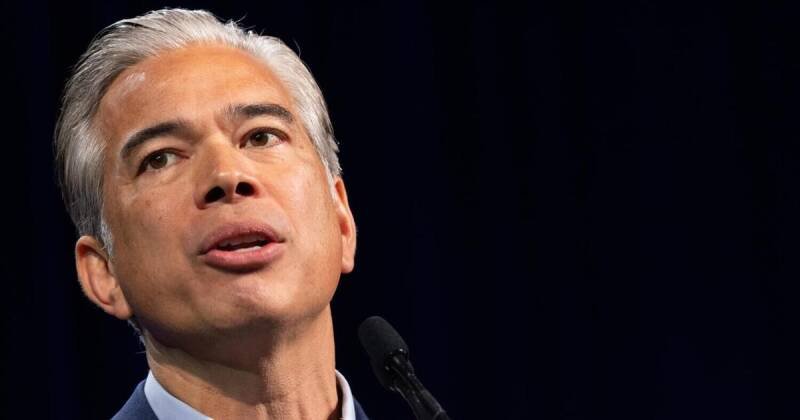
The California Department of Justice, led by Attorney General Rob Bonta, has announced a significant breakthrough in the fight against healthcare fraud. Five individuals have been arrested, and a total of 21 people are facing charges for their alleged involvement in a massive hospice fraud scheme that defrauded Medi-Cal, California's Medicaid program, out of a staggering $267 million. This announcement was made on Thursday, April 9th, marking a crucial step in holding those accountable who exploit vulnerable patients and taxpayer dollars.
While specifics of the scheme are still emerging, the core of the fraud appears to involve billing Medi-Cal for hospice services that were either unnecessary, not provided, or improperly documented. Hospice care is designed to provide comfort and support to individuals with terminal illnesses, and the alleged actions of these individuals represent a profound breach of trust and a misuse of critical resources.
The scale of the alleged fraud – $267 million – highlights the potential for abuse within the healthcare system and the importance of robust oversight and enforcement mechanisms. The California Department of Justice’s investigation demonstrates a commitment to protecting vulnerable populations and safeguarding taxpayer money.
This case is significant for several reasons. First, it underscores the vulnerability of government-funded healthcare programs like Medi-Cal to fraud and abuse. Such schemes siphon away crucial resources that should be used to provide care for those in need. Second, it highlights the importance of proactive investigation and prosecution of healthcare fraud to deter future offenses. Finally, it can erode public trust in the healthcare system if bad actors are not held accountable.
Hospice care is a vital service for individuals facing the end of their lives. These fraudulent activities not only steal money but also potentially compromise the quality of care provided to vulnerable patients. This case serves as a stark reminder of the need for continued vigilance and rigorous oversight in the healthcare sector.
In our opinion, this case exposes systemic weaknesses in the oversight of hospice care providers within the Medi-Cal system. While regulations exist, they may not be sufficient to prevent sophisticated fraud schemes from taking root. The sheer amount of money involved suggests a long-term and well-coordinated effort, indicating a need for improved auditing and monitoring practices.
This also raises questions about the role of internal controls within the implicated hospice organizations. Were there adequate checks and balances in place to detect and prevent fraudulent billing practices? The investigation will likely delve into the organizational structure and management practices of these entities to determine the extent of culpability.
It's crucial that the investigation extends beyond the individuals arrested and charged to uncover any potential systemic issues that contributed to this fraud. Identifying these vulnerabilities is essential for developing effective preventative measures.
The prosecution of these individuals will be a lengthy process, and the outcome will have significant implications for the future of healthcare fraud enforcement in California. A successful prosecution will send a strong message that such activities will not be tolerated and will deter others from engaging in similar schemes.
This case could impact future legislation and regulations related to hospice care and Medi-Cal oversight. Lawmakers may consider strengthening auditing requirements, increasing penalties for healthcare fraud, and enhancing whistleblower protections to encourage reporting of suspicious activities.
Furthermore, we anticipate increased scrutiny of hospice providers and stricter enforcement of existing regulations. This could lead to more frequent audits, increased monitoring of billing practices, and a greater emphasis on compliance.
Ultimately, this case serves as a call to action for all stakeholders – government agencies, healthcare providers, and the public – to work together to combat healthcare fraud and protect vulnerable populations. Stronger enforcement, improved oversight, and increased awareness are essential to safeguarding the integrity of the healthcare system and ensuring that resources are used effectively to provide quality care for those who need it most.
























