Bre Warren's NCAA Eligibility Battle Ends: What it Means for College Athletes
South Carolina transfer Bre Warren ends her fight for Virginia Tech softball eligibility. Understand the implications for student-athletes and the NCAA's transfer rules.
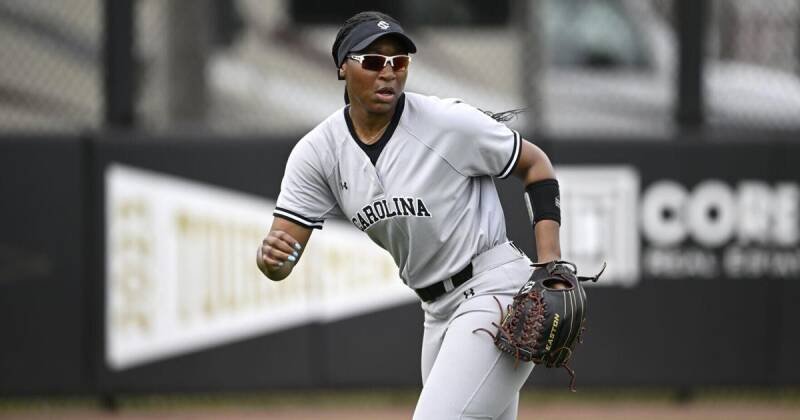



South Carolina transfer Bre Warren ends her fight for Virginia Tech softball eligibility. Understand the implications for student-athletes and the NCAA's transfer rules.
Bre Warren, a graduate transfer softball player from South Carolina, has ended her legal battle with the NCAA over her eligibility to play for Virginia Tech. Warren decided not to pursue a permanent injunction against the NCAA, effectively ending her quest to join the Hokies. This decision marks the end of a highly publicized case that highlighted the complexities and often frustrating nature of the NCAA's transfer rules.
Warren, a talented softball player, sought to transfer to Virginia Tech for her final year of eligibility. However, the NCAA initially denied her waiver request, citing its transfer rules. Warren contended that she should be granted immediate eligibility, leading to a legal challenge against the organization. While a temporary restraining order allowed her to briefly play, she has now decided to drop the pursuit of a permanent injunction.
This case is important because it reflects the ongoing tension between the NCAA and student-athletes regarding transfer rules and eligibility. In recent years, the NCAA has faced increased pressure to modernize its policies to better accommodate the needs of athletes, particularly in the era of the transfer portal and NIL (Name, Image, Likeness) deals. Warren's case highlights the challenges athletes face navigating these rules and the potential for legal battles when disputes arise.
For other athletes, it's a sobering reminder that the NCAA still wields significant power. While changes are happening, fighting the organization is a difficult and expensive uphill battle.
In our opinion, Warren's case underscores the need for greater transparency and fairness in the NCAA's transfer eligibility process. While the NCAA has made some reforms to its transfer rules, these changes may not go far enough to address the concerns of all student-athletes. The decision to end the legal challenge suggests the significant resources and time required to fight the NCAA, something most student-athletes simply don't have.
Furthermore, this situation highlights the imbalance of power between the NCAA and individual athletes. The NCAA possesses vast legal and financial resources, making it difficult for athletes to effectively challenge its decisions. This power dynamic can lead to situations where athletes feel unfairly treated or that their rights are not adequately protected.
The rise of NIL deals adds another layer of complexity. While NIL allows athletes to profit from their name, image, and likeness, it also raises questions about the amateur status of college athletes and the potential for NIL deals to influence transfer decisions. This case doesn't directly involve NIL, but it's a sign of the changing landscape, where athletes are increasingly viewed as valuable assets.
The broader implications of this case could lead to further scrutiny of the NCAA's policies and potentially inspire future legal challenges. While Warren's specific case is now closed, the issues it raised will likely continue to be debated and may contribute to further reforms in the NCAA's transfer rules.
We anticipate increased calls for a more athlete-centric approach to transfer eligibility, with an emphasis on fairness, transparency, and due process. This could involve establishing clear and objective criteria for granting waivers, providing athletes with greater access to legal representation, and creating a more streamlined and efficient process for resolving eligibility disputes.
This could impact other athletes considering transfers, encouraging them to carefully weigh the potential risks and benefits before making a decision. It also may spur increased advocacy for student-athlete rights and greater accountability from the NCAA.
Ultimately, Bre Warren's case serves as a reminder of the challenges faced by student-athletes navigating the complex world of college sports and the ongoing need for reform.
























