Bhopal Police Arrest Two in Fake SIM Card Scam: Operation FACE Unveiled
Bhopal police arrest two individuals for activating fake SIM cards using fraudulent IDs under Operation FACE. Learn about the implications and future outlook.
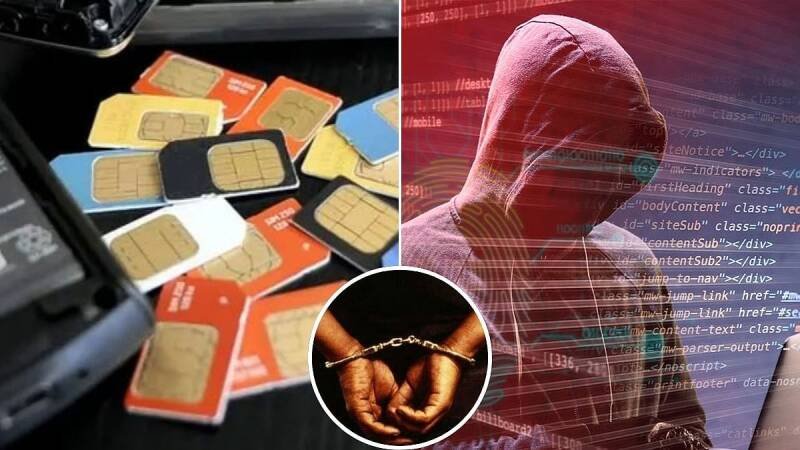



Bhopal police arrest two individuals for activating fake SIM cards using fraudulent IDs under Operation FACE. Learn about the implications and future outlook.
Bhopal police have arrested two individuals in connection with a scam involving the activation of fake SIM cards using fraudulent identification documents. The arrests, made by the Gunga police, are part of a larger operation called "FACE," aimed at cracking down on the illegal issuance and use of SIM cards.
The investigation began on February 24th, based on information received from the Department of Telecommunications (DoT). The DoT utilized its AI-powered facial recognition tool, ASTR (presumably standing for something like "Automated SIM Tracking and Recognition"), to identify suspicious activity. ASTR flags cases where multiple SIM cards are registered using the same facial image. This is a telltale sign of potential fraud, as legitimate users typically only need one or two SIM cards.
The ASTR tool flagged multiple SIMs issued against a single face in the Gunga area of Bhopal. Initial investigations revealed that Yogesh, a resident of Gunga, had issued nine SIMs that raised suspicion.
This news is significant for several reasons:
The use of ASTR by the Department of Telecommunications is a game-changer in the fight against SIM card fraud. In our opinion, this technology allows authorities to proactively identify and investigate suspicious activity that would have been difficult or impossible to detect using traditional methods.
The fact that one individual, Yogesh, was found to have issued nine suspicious SIM cards suggests a potential systemic issue within the SIM card registration process. This could indicate either a lack of proper verification procedures or, more concerningly, complicity from within the SIM card issuing agencies or retailers.
This arrest highlights the vulnerability of the current system. The operation "FACE" should act as a deterrent for others involved in similar activities. However, more needs to be done to strengthen the verification process and prevent future fraud.
We expect to see increased use of AI and machine learning technologies in the fight against cybercrime. The success of ASTR will likely encourage other government agencies and law enforcement organizations to adopt similar tools for detecting and preventing various types of fraud.
This could impact the telecommunications industry by requiring them to implement more robust SIM card registration and verification procedures. We might see stricter ID verification processes, including biometric scans and mandatory in-person registration for certain types of SIM cards.
Looking ahead, it's likely that the government will continue to refine and improve the ASTR technology and expand its use to other regions of the country. Furthermore, increased collaboration between law enforcement agencies and the Department of Telecommunications will be crucial for effectively combating SIM card fraud and protecting citizens from cybercrime. In our opinion, ongoing vigilance and adaptation are key to staying ahead of criminals who are constantly developing new ways to exploit vulnerabilities in the system.
























