Berkshire Hathaway Buybacks Resume; CEO Backs Kraft Heinz's Strategic Shift
Berkshire Hathaway resumes share buybacks after a long pause, and CEO Greg Abel supports Kraft Heinz's recent decision to pause its planned split, signaling confidence in their investments.
Berkshire Hathaway Resumes Buybacks After Nearly Two Years
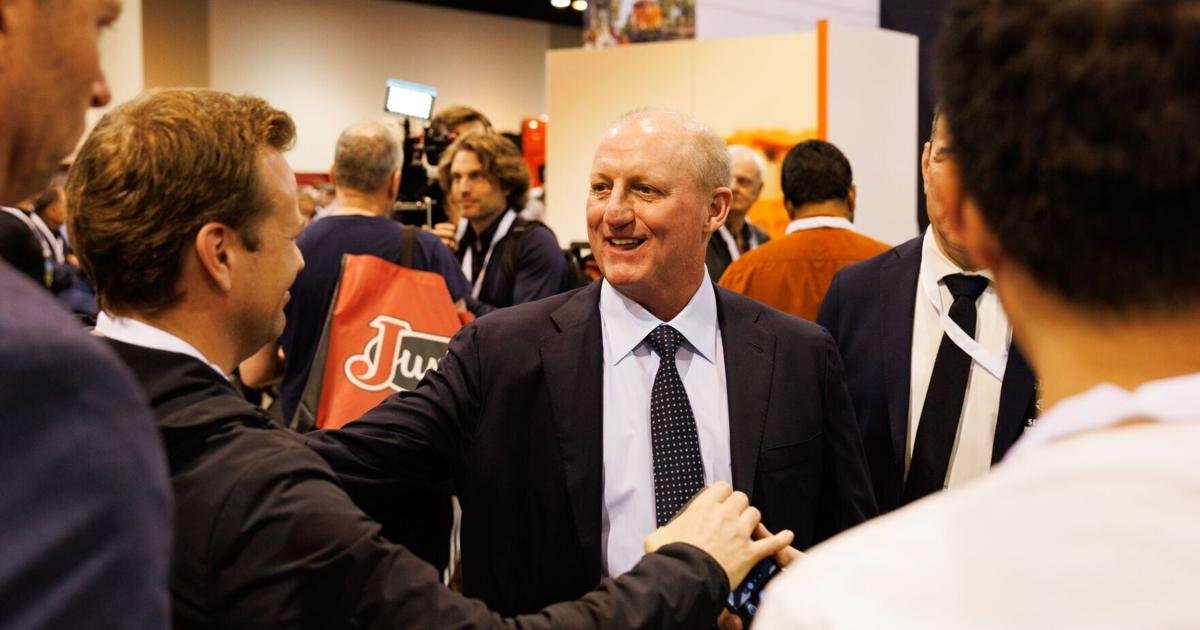
Berkshire Hathaway, the investment conglomerate led by CEO Greg Abel, has started buying back its own shares. This marks the first time in almost two years that the company has engaged in this practice. Share buybacks are when a company uses its own cash to repurchase outstanding shares in the open market. This can boost the share price and increase earnings per share, making the stock more attractive to investors.
The decision to resume buybacks indicates that Berkshire Hathaway believes its stock is undervalued. By repurchasing shares, the company is essentially investing in itself, signaling confidence in its future prospects. This move can be interpreted as a way to return value to shareholders when other investment opportunities are less appealing. It is important because it reflects the company's current assessment of its financial position and market opportunities.
What are Share Buybacks?
Share buybacks, also known as stock repurchases, involve a company buying its own outstanding shares from the open market. This action reduces the number of shares available, potentially increasing the value of the remaining shares. Companies often undertake buybacks when they have excess cash and believe their stock is undervalued.
From an investor's perspective, buybacks can be seen as a positive sign, indicating management believes in the company's long-term growth potential. They can also provide a floor for the stock price, as the company's own buying activity can support demand. The impact of buybacks on a company's financial statements includes a reduction in cash and a decrease in shareholders' equity.
CEO Abel Supports Kraft Heinz's Strategy
In addition to the buyback announcement, Berkshire Hathaway CEO Greg Abel has expressed support for Kraft Heinz's recent decision to pause its previously announced plan to split its business into different units. The packaged food giant has decided to re-evaluate its strategy.
Abel’s backing signifies Berkshire Hathaway's confidence in Kraft Heinz's revised strategic direction. Berkshire Hathaway is a major shareholder in Kraft Heinz, so its support is crucial for the company's stability and future performance. His support also highlights the trust that Berkshire Hathaway has for the management team's plan.
Kraft Heinz's Strategic Shift
Kraft Heinz, a major player in the food industry, has decided to halt its planned business separation. This pause suggests the company is re-evaluating its approach to maximize efficiency and adapt to changing market conditions. A company split can often be complex and costly, and the decision to delay it could signal a desire to ensure a more favorable outcome.
By pausing the split, Kraft Heinz can reassess its operations, identify potential synergies, and streamline its overall business strategy. This decision impacts how the company organizes its resources and approaches the marketplace. Investors are watching to see if this new strategic plan will result in long-term profitability.
Overall, both the share buyback and CEO Abel's confidence in Kraft Heinz demonstrate Berkshire Hathaway's commitment to generating long-term value for its shareholders and supporting its key investments.