BC Ferries Cancellations: Why They Matter & What's Next
BC Ferries cancellations are causing headaches for British Columbians. We break down the issues, explore the impact, and offer insights into the future of ferry travel.
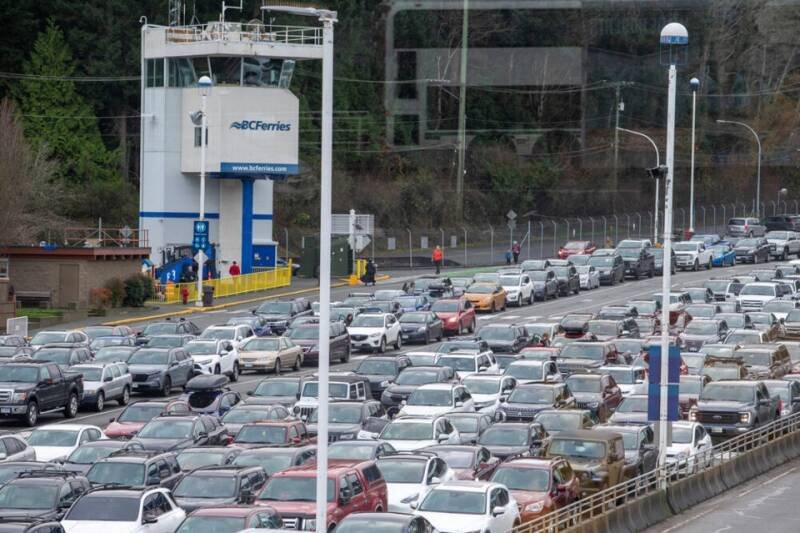



BC Ferries cancellations are causing headaches for British Columbians. We break down the issues, explore the impact, and offer insights into the future of ferry travel.
Recent letters to the editor of the Victoria Times Colonist highlight a growing frustration among British Columbians: frequent BC Ferries cancellations. These disruptions are more than just an inconvenience; they are significantly impacting residents, businesses, and tourism along the coast.
The letters point to a common theme: a perceived decline in the reliability of ferry services. This unreliability manifests in sudden cancellations, often attributed to mechanical issues or staffing shortages. These cancellations leave passengers stranded, disrupt travel plans, and raise questions about the long-term viability of the current ferry system.
Interestingly, one letter specifically calls for the return of the Fastcats. The Fastcats, high-speed catamarans introduced in the 1990s, were eventually sold off due to cost overruns and operational challenges. However, some argue that their speed and frequency could offer a solution to the current capacity and reliability problems.
BC Ferries is a lifeline for many coastal communities in British Columbia. It's not just about tourism; it's about access to essential services, connecting families, and enabling economic activity. When ferries are cancelled, it has a ripple effect throughout the region. Imagine a small business owner unable to receive supplies, a patient missing a medical appointment, or a student unable to attend school. These are real consequences of unreliable ferry service.
The ongoing disruptions also damage the reputation of British Columbia as a tourist destination. Visitors rely on ferries to explore the province's stunning coastline. Cancelled sailings can lead to cancelled vacations and negative reviews, impacting the tourism industry, a significant contributor to the BC economy.
In our opinion, the current situation with BC Ferries points to a need for a multi-faceted solution. Simply bringing back the Fastcats, while potentially appealing to some, is unlikely to be a silver bullet. A comprehensive review of BC Ferries' operations, infrastructure, and staffing models is necessary.
The aging ferry fleet needs consistent investment in maintenance and upgrades. Addressing staffing shortages requires competitive wages and improved working conditions to attract and retain qualified personnel. Furthermore, BC Ferries needs to improve communication with passengers, providing timely and accurate information about cancellations and alternative travel options.
The Fastcats, while fast, were notoriously expensive to operate and maintain. Their potential return would need a thoroughly researched business case to ensure they would be economically viable and address the current challenges without creating new ones. Modern fast ferry technology may present some benefits, but they would need careful analysis of the cost and environmental impact of new vessels compared to improving existing services.
The future of BC Ferries depends on proactive measures taken by the government and the corporation itself. This could involve increased investment in infrastructure, a renewed focus on reliability, and a willingness to explore innovative solutions.
We believe that BC Ferries must prioritize reliability, transparency, and customer satisfaction. This includes:
This could impact communities for years to come. Addressing the root causes of ferry cancellations is essential to ensuring the long-term viability of BC Ferries and the prosperity of coastal communities.
Ultimately, the success of BC Ferries hinges on its ability to adapt to changing needs and expectations. By prioritizing reliability, investing in infrastructure, and embracing innovation, BC Ferries can continue to serve as a vital link for British Columbians for generations to come.
























