Australia and Japan Launch $7 Billion Warship Deal: Implications and Analysis
Australia and Japan sign a landmark $7 billion warship deal, marking a significant shift in regional security. This article provides context, analysis, and future outlook.
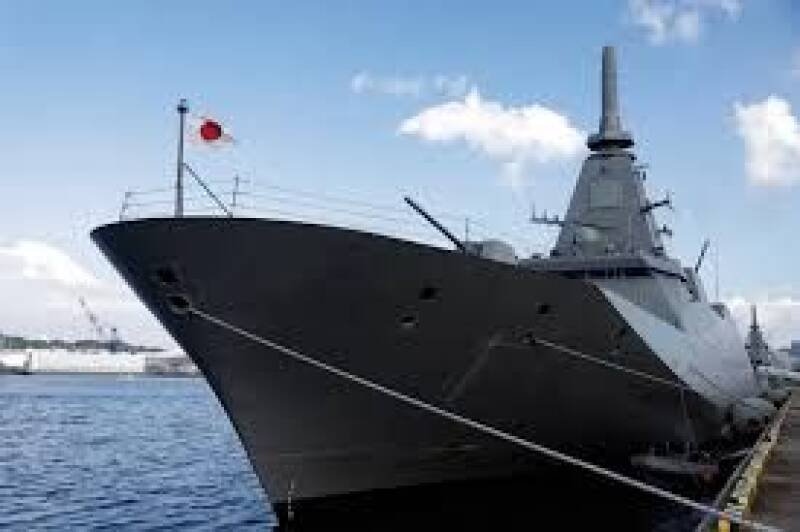



Australia and Japan sign a landmark $7 billion warship deal, marking a significant shift in regional security. This article provides context, analysis, and future outlook.
Australia and Japan have officially signed contracts for a groundbreaking $7 billion (A$10 billion) warship deal. This agreement represents a major milestone in defense cooperation between the two nations. It's also the most substantial military export for Japan since it lifted its long-standing ban on arms exports in 2014. The signing ceremony took place on Saturday, signaling the official commencement of the project.
While specific details about the type and number of warships are still emerging, the agreement underscores a deepened strategic partnership between Australia and Japan. The warships will significantly bolster Australia's naval capabilities and contribute to regional security. This deal is a tangible representation of the growing alignment in strategic interests between the two countries, particularly in the face of evolving geopolitical dynamics.
This warship deal is more than just a transaction; it's a statement. It signifies a strengthening of the alliance between Australia and Japan, two key players in the Indo-Pacific region. It underscores their commitment to maintaining a stable and secure regional order. The deal also sends a signal about their collective determination to counter potential threats and safeguard their shared interests. It also may trigger a response from other countries.
Consider these points:
In our opinion, this deal is primarily driven by shared concerns about China's growing assertiveness in the region. Both Australia and Japan have experienced heightened tensions with China in recent years, leading them to seek closer defense cooperation. The warships will enhance Australia's ability to project power and deter potential aggression, while Japan benefits from closer ties with a reliable strategic partner. This is clearly a sign that Western and aligned nations are prioritizing defense spending to better safeguard themselves.
The end of Japan's military export ban was a pivotal moment. This deal demonstrates how far Japan has come in shedding its post-World War II pacifist stance and embracing a more active role in regional security. The deal also highlights Australia's commitment to modernizing its defense capabilities and investing in advanced military technology.
This deal is likely to pave the way for even greater defense cooperation between Australia and Japan in the future. We anticipate further joint exercises, technology sharing, and potentially even collaborative weapons development projects. This collaboration could also extend to other like-minded countries in the region, such as India and the United States, creating a stronger network of security partnerships. In our opinion, we may see other countries following suit.
This could impact the following:
The success of this warship project will be closely watched by other nations considering similar partnerships. Smooth execution and timely delivery will be crucial in solidifying the credibility of this new level of defense cooperation between Australia and Japan.