Artemis 2 Moon Flyby: What It Means and Why It Matters
Four astronauts are embarking on the Artemis 2 Moon flyby. Learn what this historic mission entails, why it's important, and what the future holds for lunar exploration.



Four astronauts are embarking on the Artemis 2 Moon flyby. Learn what this historic mission entails, why it's important, and what the future holds for lunar exploration.
NASA's Artemis 2 mission is underway, sending four astronauts on a journey around the Moon. This mission marks a crucial step in humanity's renewed focus on lunar exploration and sets the stage for future landings. Imagine four brave individuals venturing into the vast emptiness, all supported by a team of experts back on Earth!
The Artemis 2 crew consists of: Reid Wiseman, Victor Glover, Christina Koch, and Jeremy Hansen. They're piloting the Orion spacecraft on a carefully planned trajectory that will take them around the far side of the Moon. While they won't be landing, this flyby is critical for testing the spacecraft's systems and ensuring the safety of future lunar landing missions.
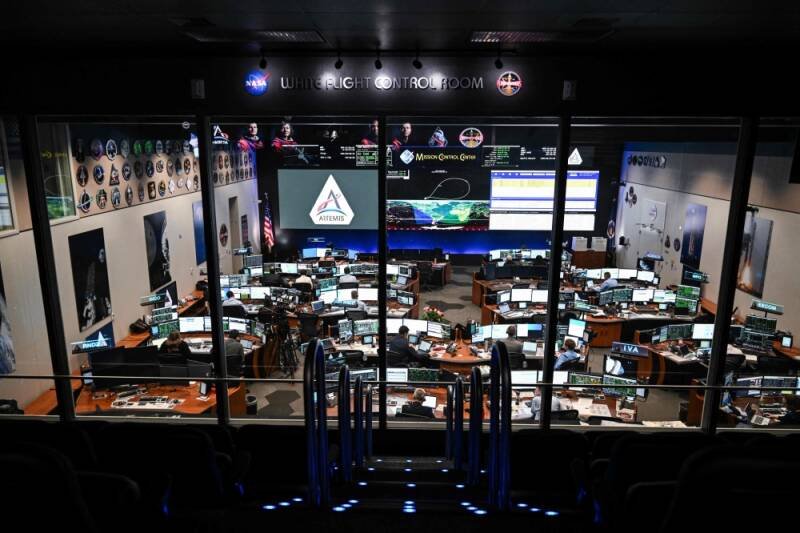
Back in Houston, a dedicated mission control team of hundreds is meticulously monitoring every aspect of the mission. Armed with over 100 screens displaying real-time data, they're constantly analyzing the spacecraft's performance, the astronauts' health, and the overall mission trajectory. This is a testament to the culmination of over half a century of spaceflight experience.
The mission's goals include testing the Orion spacecraft's life support systems, communication capabilities, and navigation accuracy in the harsh environment of deep space. Successfully completing these tests is paramount before NASA commits to landing astronauts on the lunar surface in the coming years.
Artemis 2 is far more than just a spaceflight; it's a symbol of human ambition and our relentless pursuit of knowledge. This mission is important for several key reasons:
In our opinion, Artemis 2 represents a significant shift in space exploration strategy. Rather than simply repeating past achievements, NASA is focused on establishing a sustainable presence on the Moon. This means developing the infrastructure and technologies necessary to support long-term lunar exploration and potentially utilizing lunar resources.
The emphasis on international collaboration, with partners like the European Space Agency (ESA) and the Canadian Space Agency (CSA) contributing to the Artemis program, demonstrates a commitment to shared goals and the pooling of resources. This collaborative approach is crucial for tackling the complex challenges of deep space exploration.
This could impact the commercial space industry as well. The development of new technologies and capabilities for lunar missions will likely have spillover effects, creating new opportunities for private companies in areas such as space transportation, robotics, and resource extraction.
The success of Artemis 2 will pave the way for Artemis 3, which is currently planned to land astronauts near the lunar south pole. This region is believed to contain water ice, which could be a valuable resource for future lunar missions. The long-term vision for the Artemis program includes establishing a permanent lunar base and eventually using the Moon as a stepping stone for missions to Mars.
The future of lunar exploration looks bright, with a renewed focus on sustainability, international collaboration, and scientific discovery. While challenges remain, the Artemis program represents a bold and ambitious vision for humanity's future in space.
Of course, no mission is without its risks. Potential challenges include equipment malfunctions, unforeseen radiation exposure, and the psychological effects of long-duration spaceflight. However, NASA's extensive planning and risk mitigation strategies aim to minimize these risks and ensure the safety of the crew.