Airline Fees Skyrocket: What Rising Fuel Prices Mean for Your Wallet
Facing rising jet fuel costs, major airlines are adding new fees. Learn what this means for travelers and how to mitigate the impact on your travel budget.
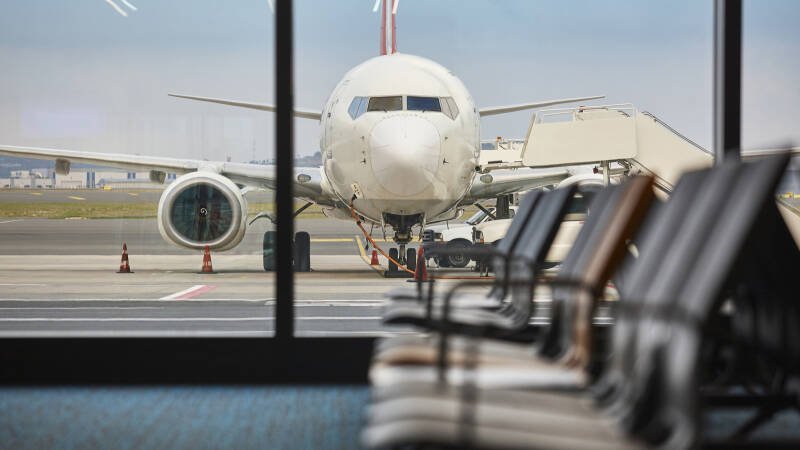



Facing rising jet fuel costs, major airlines are adding new fees. Learn what this means for travelers and how to mitigate the impact on your travel budget.
Get ready to pay a little more for your next flight. Several major U.S. airlines are introducing new fees, or increasing existing ones, citing the significant rise in jet fuel prices throughout 2026. But what does this really mean for you, the everyday traveler?
Jet fuel prices have been steadily climbing, creating a significant financial strain on airlines. Fuel is one of the largest operating costs for any airline, so a price surge directly impacts their bottom line. To compensate, airlines are exploring various strategies, and unfortunately, increased fees are often the first lever they pull.
While specific details vary from airline to airline, expect to see increases in baggage fees (both checked and carry-on), seat selection charges, and even fees for changing or cancelling flights. Some airlines might also introduce new "fuel surcharges" directly tacked onto the price of your ticket.
This news matters because it directly impacts your travel budget. Unexpected fees can quickly add up, turning what seemed like a good deal into a surprisingly expensive trip. Understanding these changes allows you to plan accordingly and potentially find ways to mitigate the extra costs. For example, packing lighter to avoid baggage fees, or booking flights further in advance, are tactics that could help.
In our opinion, these fee increases are a direct consequence of the current global economic climate, which is impacting fuel costs across many different industries. While airlines are quick to pass these costs on to consumers, it also highlights the need for airlines to explore more sustainable, long-term solutions. Relying solely on fee increases is a short-sighted strategy that could alienate customers.
It's important to consider whether rising fuel costs are the only factor at play. Some airlines might be using the situation as an opportunity to quietly increase profits under the guise of fuel-related expenses. Transparency from airlines is crucial to maintaining consumer trust.
The future of airline fees is uncertain, and depends heavily on the trajectory of fuel prices. If fuel prices remain high or continue to climb, we can expect these fees to stay in place, or even increase further. However, if fuel prices stabilize or decrease, airlines might be more willing to roll back some of these charges, but this might take time.
This could impact families the most as they are more likely to check bags and select seats together. It’s more important than ever to shop around and plan ahead to minimize these extra expenses.
Ultimately, staying informed and being a savvy traveler is key to navigating the ever-changing landscape of airline fees. By understanding the factors driving these changes and adopting smart travel strategies, you can minimize the impact on your wallet and still enjoy your next trip.
























