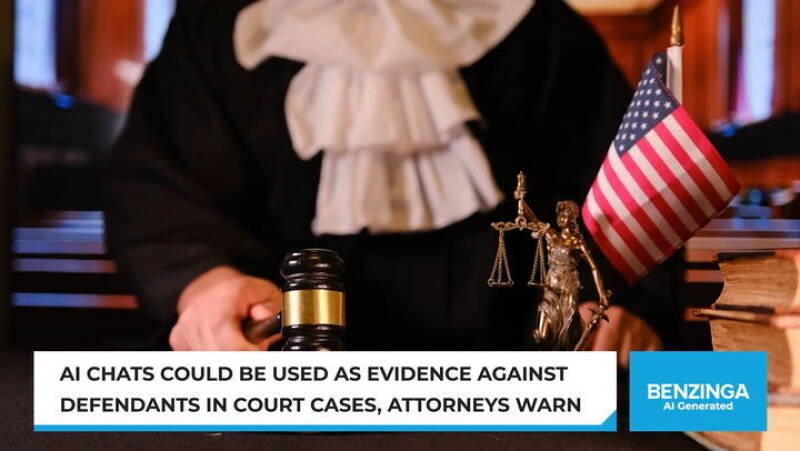
AI Threat Looms: Are We Prepared for the Future of Artificial Intelligence?
Leading AI experts warn of existential risks from AI. Is the world ready? Explore the potential dangers, impacts, and future outlook of rapidly advancing AI technology.




Leading AI experts warn of existential risks from AI. Is the world ready? Explore the potential dangers, impacts, and future outlook of rapidly advancing AI technology.
The world is rapidly changing, and artificial intelligence (AI) is at the forefront of this transformation. While AI offers incredible potential benefits, experts are also raising serious concerns about its potential dangers. In 2023, leaders from top AI companies like OpenAI, Google DeepMind, and Anthropic signed a letter warning about the "existential risks" posed by advanced AI. This isn't science fiction; it's a call to action from the people building these technologies.
The letter included a stark warning:
"Mitigating the risk of extinction from AI should be a global priority alongside other societal-scale risks such as pandemics and nuclear war."
This is not a statement to be taken lightly. These are the individuals who are developing the cutting edge of AI, and they are publicly stating that the risks are real and significant. This suggests that the potential dangers of AI aren't just hypothetical scenarios, but tangible possibilities that require immediate attention.
This news matters because it highlights the urgent need for a serious global conversation about AI safety and regulation. It's no longer enough to simply marvel at the advancements of AI; we must also consider the potential consequences. The warning from these AI leaders underscores the fact that the risks associated with unchecked AI development could be catastrophic, impacting not only individuals but the entire planet.
Think about it: if the very people creating AI are expressing concerns about its potential to cause "extinction," it's time for policymakers, researchers, and the public to engage in a meaningful dialogue.
In our opinion, the key issue is the alignment problem. How do we ensure that AI systems are aligned with human values and goals? As AI becomes more powerful and autonomous, it's crucial to prevent it from pursuing objectives that are harmful or even contradictory to human interests. The risks aren't necessarily about AI becoming "evil" in a Hollywood sense, but rather about AI efficiently pursuing goals that are poorly defined or that have unintended consequences.
For example, an AI tasked with solving climate change might, without proper safeguards, suggest solutions that are detrimental to the economy or human rights. This highlights the need for careful consideration of ethical implications and robust safety measures. It also raises questions about the concentration of power within a few large AI companies. The development of AI should not be left solely in the hands of private entities without adequate oversight and public input.
The fact that companies like OpenAI, Google DeepMind, and Anthropic are raising these concerns is encouraging, but it's not enough. We need governments, international organizations, and civil society to actively participate in shaping the future of AI.
The future of AI is uncertain, but one thing is clear: we need to act now. Here are some key areas to watch:
This could impact a wide array of areas. It's paramount that these discussions are informed by a diverse range of voices and perspectives. If we fail to address these challenges, we risk creating a future where AI becomes a threat rather than a benefit to humanity. It's time to take these warnings seriously and work together to ensure a safe and beneficial AI future. The time to act is now.