20 Reasons to Believe in the Resurrection: Why It Matters
Explore the arguments for the resurrection of Jesus Christ, its historical and theological significance, and the potential impact on faith and society.
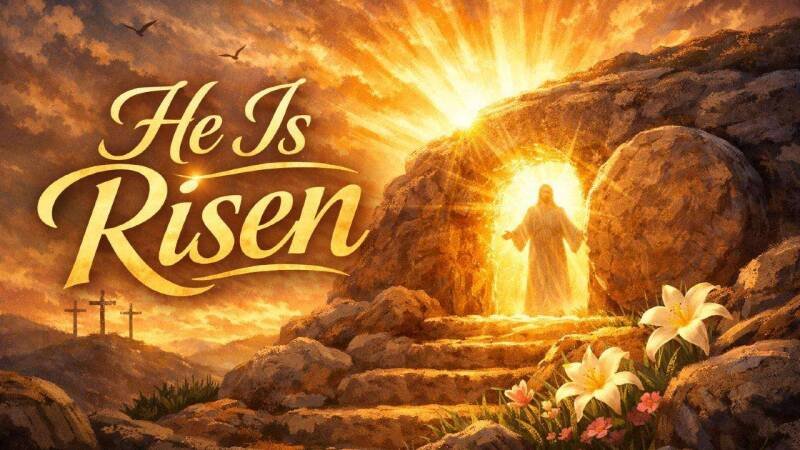



Explore the arguments for the resurrection of Jesus Christ, its historical and theological significance, and the potential impact on faith and society.
The resurrection of Jesus Christ is the cornerstone of Christian faith. Without it, Christianity crumbles. The Discern Report, highlighted in a Caldron Pool article, lays out 20 reasons why one might believe in this pivotal event. These reasons range from historical evidence and logical arguments to biblical accounts and theological implications. Let's break down why this topic is so crucial and what it could mean for believers and non-believers alike.
At its heart, the resurrection asserts that Jesus, who was crucified and died, physically rose from the dead. This isn't just a spiritual metaphor; it's a claim of a tangible, historical event. For Christians, it signifies victory over death and sin, offering hope for eternal life. The arguments presented aim to provide a solid foundation for this belief.
The discussion around the resurrection is perpetually relevant because it directly addresses fundamental questions about life, death, and the nature of reality. It impacts:
The strength of the arguments for the resurrection lies in their multi-faceted approach. They don't rely solely on faith or religious texts. Instead, they incorporate historical evidence, such as the empty tomb and the accounts of eyewitnesses. While interpretations of these accounts vary, their existence adds weight to the claims.
In our opinion, the power of these arguments also resides in their ability to address skepticism and doubt. By presenting logical reasoning and historical context, they offer a framework for individuals to engage with the resurrection narrative on a more intellectual level. However, it’s also important to acknowledge that faith plays a significant role and historical evidence can have different interpretations. It is unlikely to convert many atheists.
It's essential to approach these arguments with a critical mind. Questions remain about the historical accuracy and reliability of the biblical accounts. Alternative explanations for the events surrounding the resurrection have also been proposed. A balanced perspective requires considering these alternative viewpoints and engaging in thoughtful analysis.
The debate surrounding the resurrection is likely to continue indefinitely. As new historical evidence emerges and theological interpretations evolve, the conversation will remain dynamic. What's certain is that it will continue to shape religious discourse and influence the lives of countless individuals.
This could impact how religious communities engage with historical and scientific inquiry. It may encourage greater dialogue between faith and reason, leading to a more nuanced understanding of the world and our place in it. It could also exacerbate existing tensions between those who hold different worldviews.
Ultimately, the question of the resurrection is a personal one. It requires each individual to weigh the evidence, consider the arguments, and make their own informed decision. Whether you are a believer, a skeptic, or somewhere in between, engaging with this topic is a journey that can lead to a deeper understanding of yourself and the world around you.