Zimbabwe's Independence: A Critical Look at the Reality
An in-depth analysis of Zimbabwe's Independence Day celebrations, exploring the opposition's boycott and the ongoing struggles faced by its citizens.



An in-depth analysis of Zimbabwe's Independence Day celebrations, exploring the opposition's boycott and the ongoing struggles faced by its citizens.
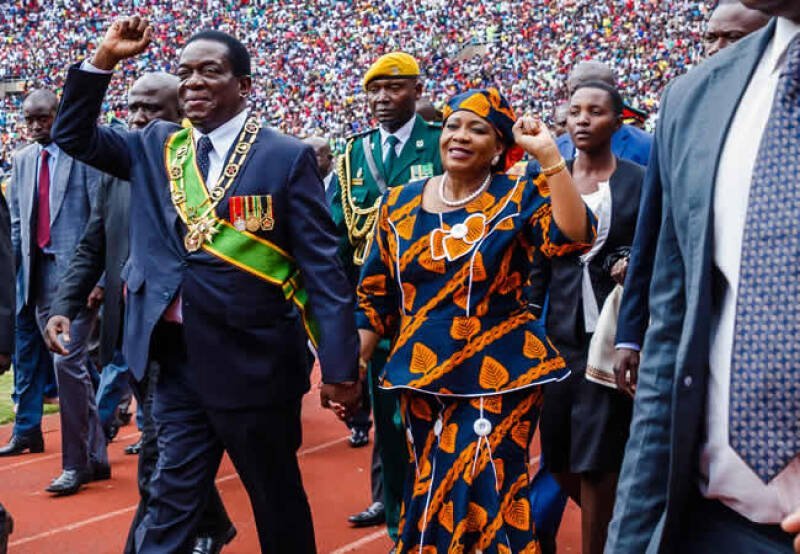
Zimbabwe is gearing up for its annual Independence Day celebrations. However, this year, the festivities are overshadowed by growing discontent and a stark reminder of the challenges facing the nation.
The Action Democratic Movement (ADM), an opposition party in Zimbabwe, has called on citizens to boycott the upcoming Independence Day celebrations. Their reasoning? They argue that independence exists only "on paper" while the reality for ordinary Zimbabweans is one of continued suffering.
This isn't just a knee-jerk reaction. The ADM's call to action stems from deep-seated concerns about the country's economic woes, political instability, and human rights record. They believe that celebrating independence rings hollow when so many Zimbabweans are struggling to make ends meet.
This story highlights a critical disconnect between the official narrative of independence and the lived experiences of many Zimbabweans. It exposes the challenges that the country continues to grapple with, decades after gaining freedom from colonial rule. The opposition's boycott serves as a powerful symbol of the growing frustration and disillusionment among the population.
The story also matters because it forces us to confront uncomfortable truths about the legacy of colonialism and the complexities of nation-building in post-colonial Africa. It raises questions about the true meaning of independence and the responsibility of governments to ensure the well-being of their citizens.
In our opinion, the ADM's stance is understandable, considering the current state of affairs in Zimbabwe. While Independence Day should be a time for national pride and reflection, it's hard to ignore the realities on the ground.
The Zimbabwean economy has been struggling for years, plagued by hyperinflation, unemployment, and a severe shortage of basic goods. Many citizens are living in poverty, struggling to access essential services like healthcare and education. This could impact future stability if not addressed urgently.
Furthermore, concerns about human rights abuses and political repression continue to dog the country. Freedom of expression is often curtailed, and opposition voices are frequently silenced. This undermines the very principles of democracy and good governance that are essential for a truly independent nation.
The boycott call reflects a broader sentiment of dissatisfaction among Zimbabweans who feel that the promises of independence have not been fulfilled. They are yearning for a better future, one where they can enjoy economic prosperity, political freedom, and social justice.
The future of Zimbabwe hinges on the government's ability to address the pressing economic and political challenges facing the country. Meaningful reforms are needed to create a more stable and inclusive society.
Here are some key areas that require attention:
It is our assessment that without significant change, the discontent will likely continue to grow, further undermining the legitimacy of the government and threatening the country's long-term stability. The upcoming elections will be a critical test of Zimbabwe's commitment to democracy. Whether the voices of the opposition and the concerns of ordinary citizens will be heard remains to be seen.
Ultimately, the true measure of Zimbabwe's independence will be its ability to provide a better life for all its citizens. Only then will Independence Day truly be a cause for celebration.