Vancouver Developer Ditches Office Building for Boutique Hotel: What It Means
A Vancouver developer scrapped plans for an office building and will build a boutique hotel instead. Learn why this is happening and what it means for the city's future.



A Vancouver developer scrapped plans for an office building and will build a boutique hotel instead. Learn why this is happening and what it means for the city's future.
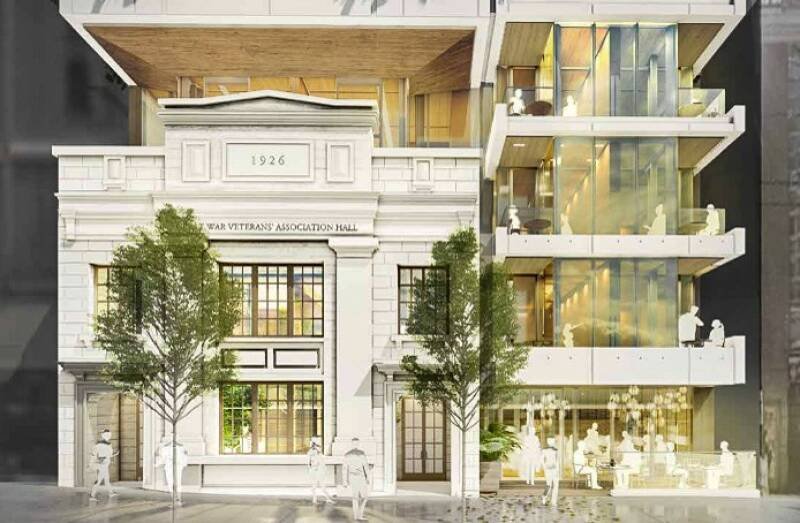
In a surprising move, a developer has abandoned plans for a seven-story office building on Seymour Street in Vancouver, opting instead for a 15-story boutique hotel. This shift highlights changing priorities in the Vancouver real estate market and raises questions about the future of commercial and hospitality development in the city.
The original plan was for a modern seven-story office building, designed to provide much-needed commercial space in a competitive market. However, the developer reconsidered and proposed a taller, more ambitious project: a 15-story boutique hotel. The move aligns with a city council policy aimed at encouraging more hotel development in the area.
This decision signifies several important trends. First, it suggests a potential softening in the demand for office space in Vancouver, or at least a perception that hotel development might offer a more lucrative return on investment. Second, it underscores the influence of Vancouver's city council in shaping the city's development landscape. By implementing policies that incentivize hotel construction, the council is directly impacting what gets built and where.
Finally, this switch could impact the local economy. A new boutique hotel could boost tourism revenue and create jobs in the hospitality sector. However, it also means less office space available for businesses, potentially impacting job growth and economic diversification in other sectors. This is particularly relevant with the rise in remote work trends and businesses rethinking their office footprint.
In our opinion, this decision reflects a complex interplay of market forces and city planning. The developer likely weighed factors such as current and projected demand for office space, the potential for higher profits in the hotel sector, and the favorable regulatory environment created by the city council.
The city council's strategy to encourage hotel development could stem from a desire to boost tourism and diversify Vancouver's economy. However, it's crucial to consider the potential consequences of prioritizing one type of development over another. For instance, a shortage of office space could hinder the growth of tech companies and other businesses that rely on physical office locations.
This could impact the city's ability to attract and retain businesses in the long term.
The future of development in Vancouver hinges on several factors. We can expect to see:
It's likely that other developers will watch this project closely, and if successful, similar conversions from office to hotel projects could follow, especially if the city council continues to prioritize hotel development.
One potential concern is the impact on the character of the neighborhood. A 15-story hotel is significantly taller than the originally planned office building, and this could raise concerns about increased traffic, noise, and visual impact on surrounding properties. Balancing economic development with community concerns will be crucial as Vancouver continues to evolve.
Ultimately, the success of this project will depend on the developer's ability to create a compelling boutique hotel that attracts visitors and contributes positively to the local community. It will also depend on the city council's ability to adapt its policies to ensure a balanced and sustainable development landscape.