Vancouver Council Approves $1.4M for SRO Upgrades: Addressing Heat Crisis
Vancouver City Council approves $1.4M for Single Room Occupancy (SRO) upgrades and cooling/warming centers to combat heat risks. Learn about the importance, analysis, and future implications.
Vancouver Council Invests $1.4M in SRO Upgrades and Cooling Centers
The Vancouver City Council has recently approved a significant investment of $1.4 million aimed at improving conditions in Single Room Occupancy (SRO) buildings and establishing dedicated cooling and warming centers throughout the city. This move comes amid growing concerns about the vulnerability of SRO residents to extreme temperatures, particularly during heat waves and cold snaps.
What are SROs?
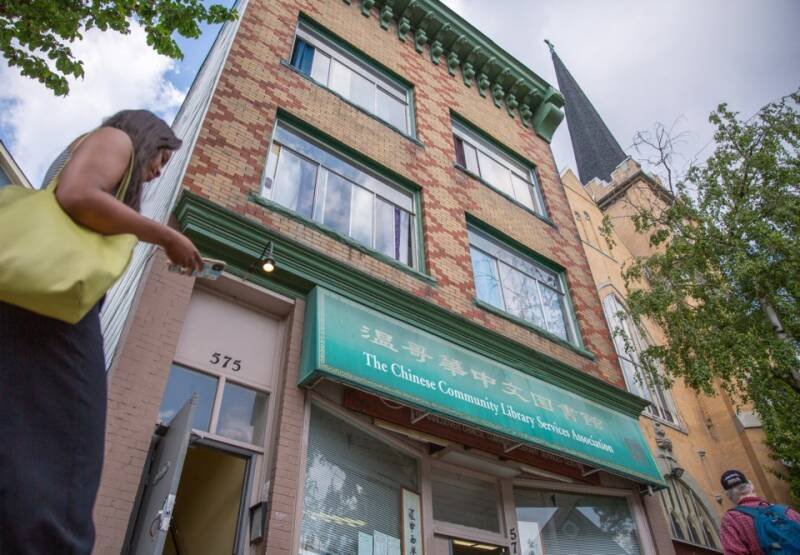
Single Room Occupancy (SRO) buildings are typically older, often privately owned, buildings that offer small, individual rooms, usually without private kitchens or bathrooms. They serve as a crucial source of affordable housing for low-income individuals, but their age and condition often leave residents exposed to substandard living conditions, including inadequate heating and cooling.
The funding will be used to address critical infrastructure needs in SROs, such as improving insulation, installing air conditioning units, and upgrading heating systems. Additionally, a portion of the funds will be allocated to creating and maintaining designated cooling and warming centers, providing safe and accessible spaces for vulnerable populations during extreme weather events.
Why This News Matters
This announcement is incredibly important for several reasons:
- Protecting Vulnerable Populations: SRO residents are disproportionately affected by extreme temperatures due to factors such as age, pre-existing health conditions, and inadequate housing conditions. This funding will help protect these individuals from heat-related illnesses, injuries, and even death.
- Addressing the Affordable Housing Crisis: By improving the quality of SROs, the city is taking steps to preserve and enhance its existing affordable housing stock. In a city facing a severe housing crisis, every unit counts.
- Improving Public Health: Addressing heat and cold exposure in SROs is a matter of public health. Investing in these upgrades can reduce hospitalizations, emergency room visits, and other health-related costs.
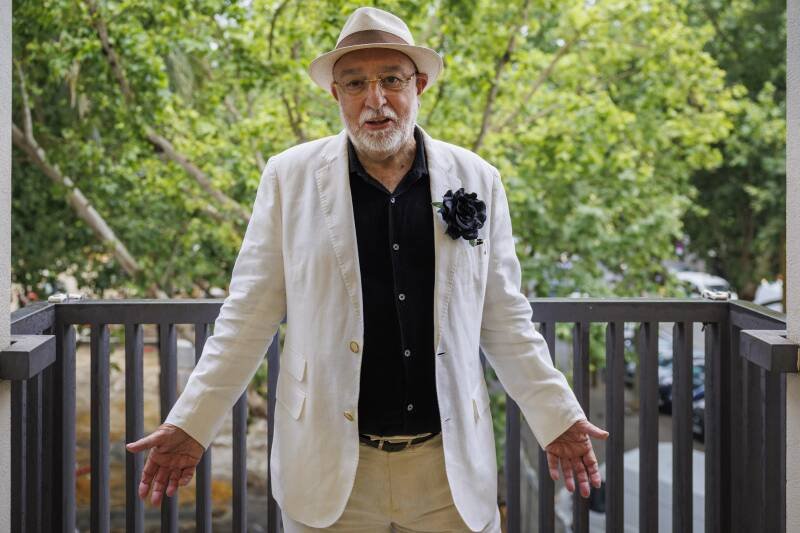
As UBC housing researcher stated: “Indoor heat exposure in SROs is dangerous and leaves tenants at elevated risk of heat-related illness, injury and death.” This reinforces the urgency and necessity of these upgrades.
Our Analysis
In our opinion, this is a positive step forward, but more comprehensive solutions are needed to address the systemic issues that contribute to the vulnerability of SRO residents. While $1.4 million is a significant investment, it is likely a drop in the bucket compared to the total cost of renovating and upgrading all SROs in Vancouver.
The city must also work collaboratively with private SRO owners to ensure that they are held accountable for maintaining their properties and providing safe and habitable living conditions. This could involve implementing stricter building codes, providing financial incentives for upgrades, and enforcing existing regulations more rigorously.
Furthermore, it's crucial to consider the long-term sustainability of cooling and warming centers. Adequate staffing, accessibility for people with disabilities, and integration with existing social services are all essential for ensuring these centers effectively serve the needs of the community.
This announcement also highlights the urgent need for more affordable housing options in Vancouver. Investing in the construction of new, high-quality affordable housing is essential for reducing reliance on SROs and providing all residents with access to safe, secure, and healthy living environments.
Future Outlook
The future impact of this investment will depend on how effectively the funds are allocated and implemented. We anticipate the following potential outcomes:
- Improved Health Outcomes: Reduced rates of heat-related illnesses and hospitalizations among SRO residents.
- Enhanced Quality of Life: Increased comfort and well-being for individuals living in SROs.
- Increased Awareness: Heightened awareness of the challenges faced by vulnerable populations during extreme weather events.
- Potential for Expansion: This initiative could serve as a model for other cities facing similar challenges.
This could impact the perception and image of social housing solutions in the city, especially if the initiative has measurable benefits.
However, it is important to remain vigilant and advocate for ongoing investment in affordable housing and social support services. The fight against housing insecurity and climate vulnerability is far from over. We believe continued pressure on government and private sectors is needed to fully address the problem.