US and Iran Agree to Ceasefire: What It Means for Global Stability
The US and Iran have agreed to a two-week ceasefire, averting immediate conflict. Learn what led to this decision, why it matters, and what the future holds.
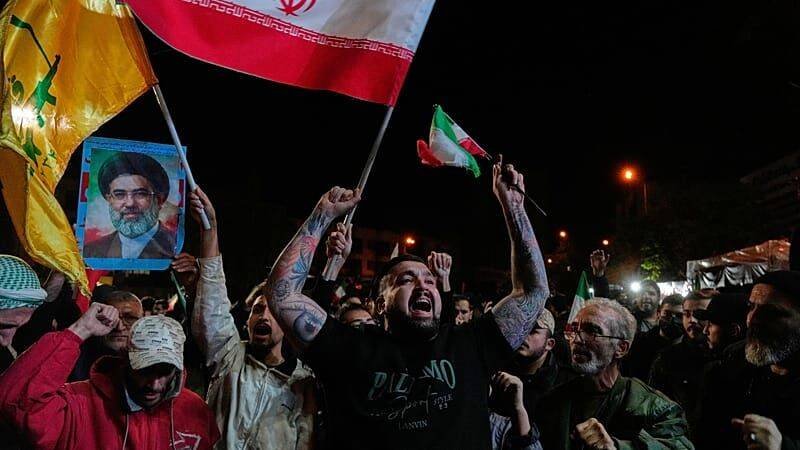



The US and Iran have agreed to a two-week ceasefire, averting immediate conflict. Learn what led to this decision, why it matters, and what the future holds.
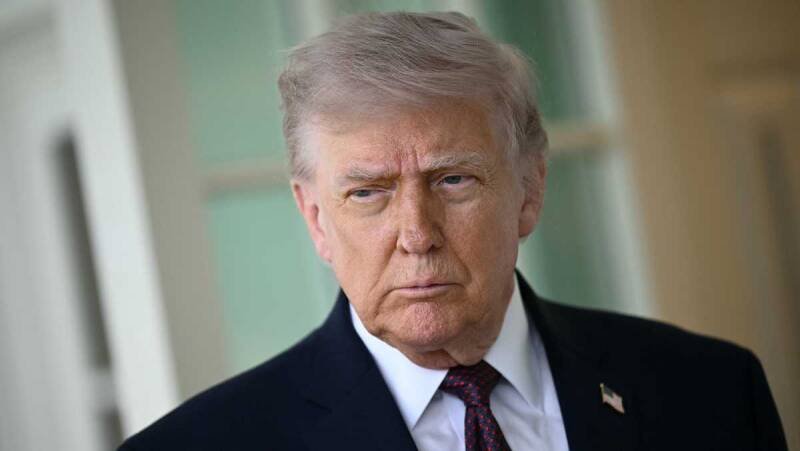
In a move that has eased tensions across the globe, the United States and Iran have reportedly agreed to a two-week ceasefire. This agreement comes after a period of heightened hostility and speculation about potential military conflict, especially following former President Trump's aggressive rhetoric.
The truce aims to de-escalate the situation and allows for diplomatic efforts to find a more lasting solution to the ongoing issues between the two nations. One key aspect of the agreement is the reported reopening of the Strait of Hormuz, a vital waterway for global oil trade.
The path to this ceasefire was paved with escalating tensions. Trump's administration had previously threatened attacks on critical Iranian infrastructure, including bridges and power plants. These threats followed disagreements over the Iran nuclear deal and concerns about Iran's regional activities. However, the decision to hold off on these attacks, coupled with Iran's willingness to engage in a temporary truce, suggests a desire on both sides to avoid all-out war.
The agreement suggests a mutual understanding that further escalation would be detrimental to both countries and the broader international community.
This ceasefire is significant for several reasons:
In our opinion, this ceasefire is a positive development, but it is crucial to recognize that it is only a temporary solution. The underlying issues between the US and Iran remain unresolved, and the risk of future escalation is still present. The success of this truce hinges on the willingness of both sides to engage in meaningful dialogue and address each other's concerns. A return to the negotiating table is vital.
It's worth noting that Trump's initial threats, while potentially destabilizing, may have inadvertently created a sense of urgency that pushed both sides towards a ceasefire. This could impact future diplomatic strategies of other nations in similar situations.
The international community, particularly the European Union, Russia, and China, will likely play a crucial role in facilitating further negotiations. Their involvement could help bridge the gap between the US and Iran and ensure that any future agreement is sustainable.
The future of US-Iran relations remains uncertain. While this ceasefire provides a much-needed respite, the long-term outlook depends on several factors:
This two-week period is critical. It's an opportunity to show commitment and engage in serious talks. This could impact the future of US-Iran relations and the stability of the Middle East for years to come. A failure to achieve a meaningful breakthrough during this time could lead to a renewed cycle of tensions and potential conflict.
Ultimately, the path to lasting peace requires a commitment from both the US and Iran to prioritize diplomacy and find common ground. The world watches with cautious optimism, hoping that this ceasefire marks the beginning of a new era of stability and cooperation.