Unsung Heroines: Why Literary History Often Forgets Women Authors
Discover how women authors who pioneered the novel, both in England and India, are often overlooked and erased from literary history. Explore the reasons and impact.
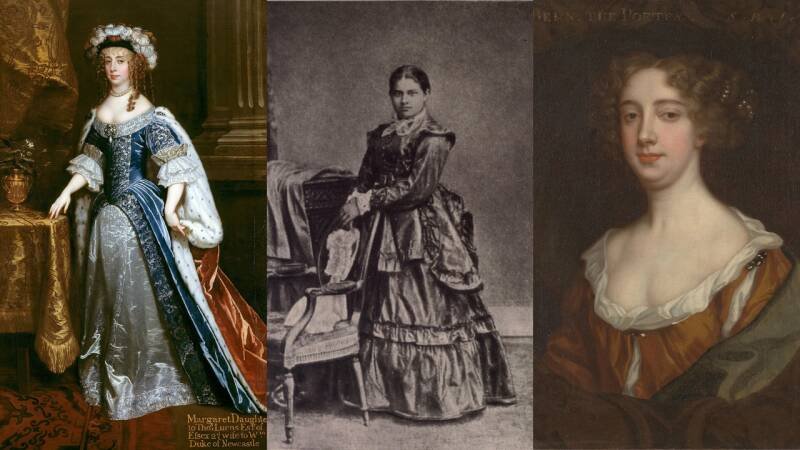



Discover how women authors who pioneered the novel, both in England and India, are often overlooked and erased from literary history. Explore the reasons and impact.
Literary history often paints a picture where men are the primary innovators. But what if that picture is fundamentally incomplete? What if the credit for inventing, or at least significantly shaping, the novel in both England and India is due, in part, to women who have been quietly erased from the narrative?
The accepted story often focuses on male authors as originators of genres and literary movements. However, a closer examination reveals a more complex and nuanced reality, one where women played a pivotal role, often paving the way for their male counterparts.
This article explores how literary history, whether intentionally or unintentionally, tends to overlook or diminish the contributions of female authors. It delves into the possible reasons behind this erasure and the implications for our understanding of literary evolution.
Understanding who shapes our literary landscape is crucial. When women's contributions are minimized, we lose a vital part of our cultural heritage. This erasure has several negative consequences:
Several factors contribute to the historical erasure of women authors. Firstly, patriarchal structures in past societies often devalued women's intellectual and creative work. Their writings might have been dismissed as frivolous or less significant than those of men. Secondly, women frequently faced significant barriers to publication and recognition, including limited access to education, resources, and professional networks.
Furthermore, critical interpretation and academic research have historically been dominated by male perspectives, which may have unintentionally overlooked or downplayed the contributions of female authors. The stories chosen for inclusion in curricula and anthologies often reflect these biases.
In our opinion, a critical reassessment of literary history is long overdue. We need to actively seek out and recognize the forgotten contributions of women authors, ensuring a more accurate and inclusive understanding of our literary past.
Thankfully, there is a growing awareness of this issue, and efforts are being made to rectify the historical imbalances. This includes:
These efforts are essential for ensuring that future generations have a more complete and equitable understanding of literary history. This could impact the confidence of aspiring women writers and create a richer, more diverse literary landscape.
Moving forward, it is imperative that we continue to challenge traditional narratives and actively promote the recognition of women authors. This includes supporting research initiatives, advocating for more inclusive curricula, and celebrating the diverse voices that have shaped our literary heritage.
By actively seeking out and amplifying the voices of women authors, we can create a more balanced and representative literary landscape, ensuring that their contributions are no longer erased but celebrated for generations to come. In our opinion, this is not just about correcting historical injustices; it's about enriching our understanding of the human experience through the power of diverse storytelling.