UNL Faculty Senate Drops No-Confidence Vote: What It Means for the University
The University of Nebraska-Lincoln Faculty Senate has abandoned a planned no-confidence vote against administrators. Learn why, what it means, and what the future holds.
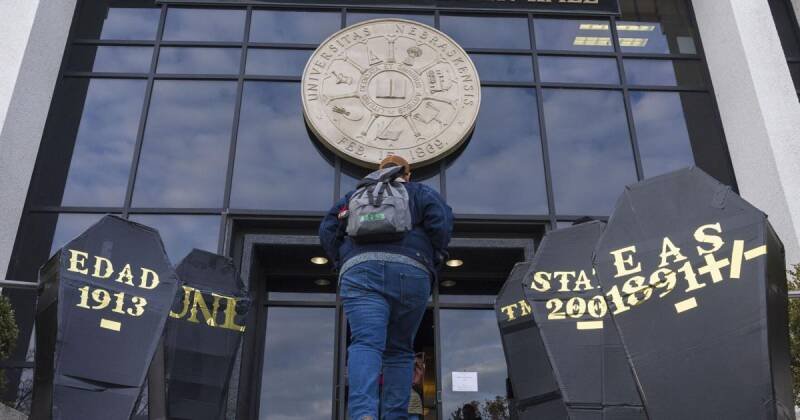



The University of Nebraska-Lincoln Faculty Senate has abandoned a planned no-confidence vote against administrators. Learn why, what it means, and what the future holds.
In a surprising turn of events, the Faculty Senate at the University of Nebraska-Lincoln (UNL) has decided to abandon its plans to hold a no-confidence vote targeting several top administrators. This decision marks a significant shift in the ongoing tensions between faculty and university leadership.
The no-confidence vote, which would have been a symbolic rebuke of the administrators, was initially considered a way for faculty members to express their concerns about the direction the university was heading. However, after further deliberation, faculty leaders concluded that this approach was no longer the most effective way to address their issues and move forward collaboratively.
This decision impacts the entire UNL community, including students, faculty, staff, and alumni. A no-confidence vote, even if symbolic, can damage the reputation of the university and create instability. The Faculty Senate's choice to step back suggests a potential opening for renewed dialogue and cooperation between faculty and administrators.
The underlying issues that prompted the consideration of the no-confidence vote – likely related to academic freedom, shared governance, or budgetary concerns – remain important. Addressing these issues effectively will be crucial for the long-term health and success of UNL. The university's ability to attract and retain top faculty, provide a high-quality education for students, and contribute to research and innovation depends on a positive and collaborative environment.
In our opinion, the Faculty Senate's decision to withdraw the no-confidence vote is a pragmatic one. While expressing dissatisfaction is important, a symbolic vote often hardens positions and makes finding common ground more difficult. This move presents an opportunity for both faculty and administrators to engage in more productive conversations about the university's future.
It's crucial to understand the context. Often, faculty no-confidence votes stem from deep-seated frustrations about policies, leadership styles, or resource allocation. Simply abandoning the vote without addressing the root causes would be a missed opportunity. We believe that real progress hinges on transparency, open communication, and a genuine commitment from all parties to find mutually agreeable solutions.
The administration must now actively seek to rebuild trust with the faculty. This could involve creating more opportunities for faculty input in decision-making processes, addressing concerns about academic freedom, and demonstrating a commitment to investing in core academic programs. Similarly, faculty members should be willing to engage in constructive dialogue and work collaboratively with the administration to achieve shared goals.
The coming months will be critical for UNL. How the university responds to this development will determine whether it leads to a period of reconciliation and progress or simply delays the inevitable. Here are some key areas to watch:
This could impact several key areas within the university, namely:
The situation at UNL highlights the importance of strong leadership, clear communication, and a shared commitment to the university's mission. We hope that this development marks the beginning of a more collaborative and productive chapter for the University of Nebraska-Lincoln.