UK Parliament Rejects Social Media Ban for Under-16s
UK lawmakers voted against a proposal that would have banned social media access for children under the age of 16, sparking debate about online safety and parental rights.
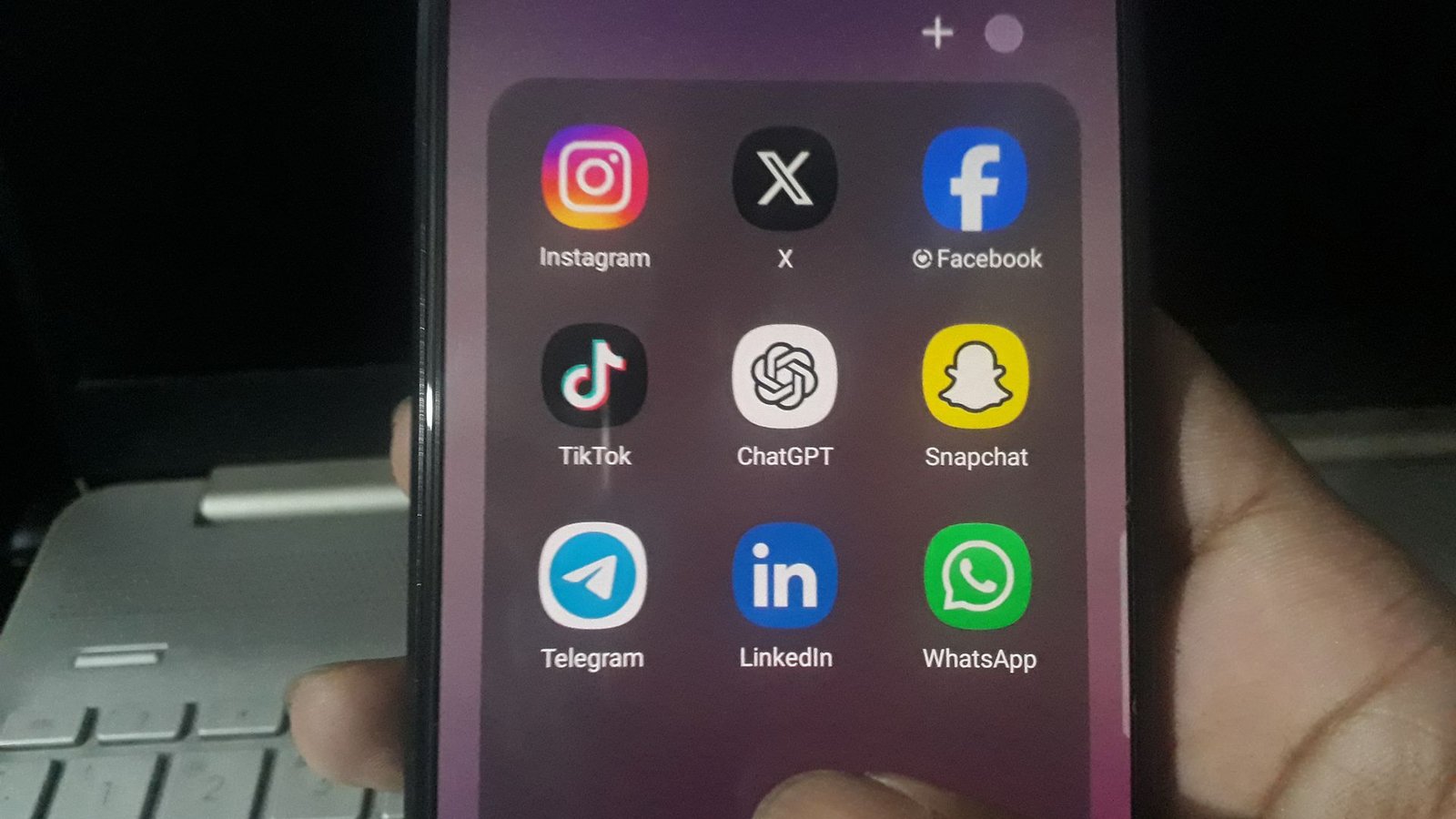



UK lawmakers voted against a proposal that would have banned social media access for children under the age of 16, sparking debate about online safety and parental rights.
Members of Parliament (MPs) in the UK have voted down a proposed ban that would have prevented individuals under the age of 16 from accessing social media platforms. This decision highlights the ongoing debate surrounding children's online safety, parental responsibility, and the role of government in regulating internet access.
The proposal aimed to address concerns about the potential negative impacts of social media on young people. These concerns often include issues such as cyberbullying, exposure to inappropriate content, mental health challenges, and data privacy. Proponents of the ban argued that restricting access to social media could help protect vulnerable children during a crucial stage of development.
Age verification is a major hurdle for proposed regulations. Questions were raised about the practical implications of enforcing such a ban, including the technical challenges of verifying users' ages and the potential for young people to circumvent restrictions using VPNs and other methods. Concerns were also voiced about the impact on freedom of expression and access to information.
The rejection of the ban by MPs means that the current legal framework for social media access remains in place. Social media companies are expected to adhere to existing regulations regarding data protection, content moderation, and age restrictions, but there will not be a blanket prohibition on under-16s using these platforms.
Critics of the ban argued that it was an overly broad measure that could have unintended consequences. Some argued that it would be more effective to focus on educating young people about online safety and promoting responsible social media use. Others emphasized the importance of parental involvement in guiding children's online experiences.
The vote does not signal an end to the discussion about how to best protect children online. There is a continued push for stronger measures to hold social media companies accountable for the content shared on their platforms and to ensure that they are doing more to safeguard young users.
Other potential solutions being explored include:
The debate surrounding social media and young people will likely continue as policymakers grapple with the challenges of balancing freedom of expression with the need to protect vulnerable individuals in the digital age. The focus moving forward is likely to be on empowering parents and educators, rather than relying solely on outright bans.