Trump's White House Ballroom Approved Despite Legal Challenges
Despite a court order halting construction, Trump's White House ballroom project receives final approval. We analyze the implications.



Despite a court order halting construction, Trump's White House ballroom project receives final approval. We analyze the implications.
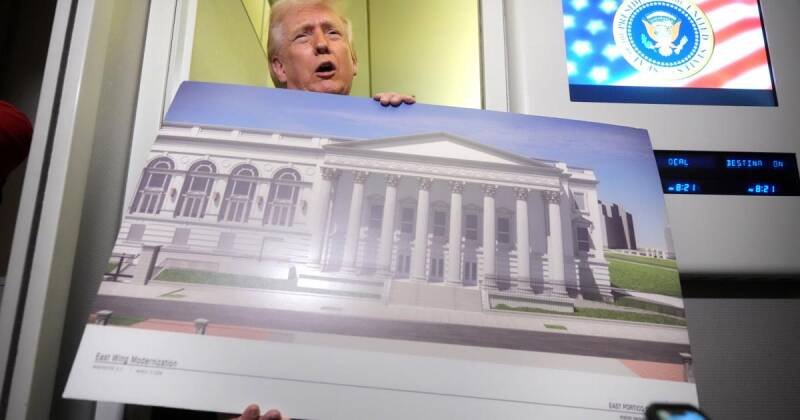
In a surprising turn of events, President Donald Trump's proposed White House ballroom has received final approval from the National Capital Planning Commission (NCPC), just days after a federal judge issued an order to halt construction. The order, issued last week, stated that construction couldn't proceed unless Congress formally approved the project.
The ballroom project aims to renovate and expand existing spaces within the White House complex. Proponents argue that the new ballroom will provide a more suitable venue for official events and state dinners, enhancing the White House's capacity to host dignitaries and conduct important diplomatic functions. Others, however, view the project as an unnecessary expense, especially given other pressing national priorities.
The NCPC, a federal agency responsible for planning and development in the National Capital Region, granted its final approval despite the outstanding legal challenges. The chair of the NCPC, appointed by President Trump, played a key role in pushing the project forward.
This situation raises several important questions. Firstly, it highlights the ongoing tension between executive power and judicial oversight. The judge's order clearly indicated a need for Congressional approval, suggesting a lack of transparency or proper authorization in the initial stages of the project. The subsequent approval by the NCPC, while technically within their purview, could be interpreted as a circumvention of the court's intent. This situation could impact the public's trust in the government's adherence to the rule of law.
Secondly, it brings to the forefront the issue of government spending and prioritization. In a time of economic uncertainty and debate over budget allocations, the decision to proceed with a costly renovation project like this is bound to draw criticism. Opponents will likely argue that the funds could be better allocated to address more pressing needs, such as infrastructure improvements or social programs.
In our opinion, the timing of the NCPC's approval is highly questionable. To grant final approval so soon after a court order demanding Congressional oversight gives the appearance of disregarding the legal process. It also underscores the influence of political appointees within government agencies. While the ballroom may indeed serve a functional purpose, the way this approval has been handled raises concerns about transparency and accountability.
Furthermore, the emphasis on aesthetics and facilities within the White House while many Americans face economic hardship might be perceived as tone-deaf. This could impact the president's image and fuel further divisions within the country.
The legal battle surrounding the White House ballroom is far from over. Opponents of the project are likely to pursue further legal action, challenging the NCPC's approval and demanding strict adherence to the court's original order. Congress could also intervene, potentially blocking funding for the project or initiating investigations into the approval process.
Ultimately, the fate of the White House ballroom will depend on the outcome of these legal and political challenges. Even if the project proceeds, the controversy surrounding its approval is likely to leave a lasting mark on President Trump's legacy. This could impact how future administrations approach similar renovation projects and how government agencies balance executive priorities with legal and ethical considerations.
The situation underscores the importance of checks and balances within the government. This could impact future political discourse and legislative action related to government projects and spending.
























