Delivery Robots: Annoyance or the Future of Convenience? An Analysis
Delivery robots are becoming increasingly common, but are they a helpful innovation or just another annoyance? We analyze the pros, cons, and future of delivery robots.
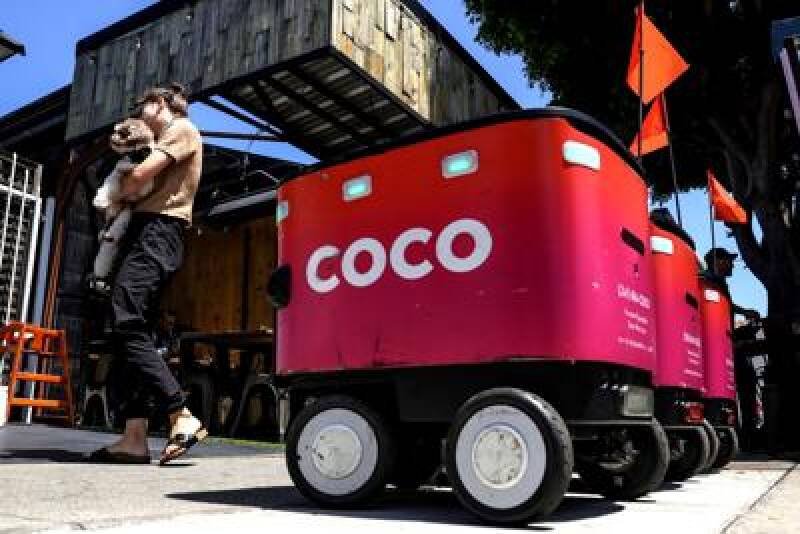



Delivery robots are becoming increasingly common, but are they a helpful innovation or just another annoyance? We analyze the pros, cons, and future of delivery robots.
Delivery robots. They're popping up on sidewalks across the country, promising a future of effortless package and food delivery. But are they the convenient marvel we've been waiting for, or just another obstacle to navigate on our already crowded streets? A recent opinion piece highlighted the growing frustration many feel towards these automated delivery systems.
For years, we've been promised a world of automated convenience, reminiscent of "The Jetsons," with robots handling mundane tasks like deliveries. The idea is simple: robots handle the "last mile" of delivery, bringing packages and meals directly to our doors. This could potentially reduce traffic congestion, lower delivery costs, and offer faster service.
However, the reality hasn't quite lived up to the futuristic dream. Critics argue that these robots, often slow and cumbersome, clog up sidewalks, creating hazards for pedestrians, especially those with disabilities. Furthermore, their reliance on public infrastructure like sidewalks raises questions about access and equity.
The rise of delivery robots signifies a broader trend towards automation and its impact on our daily lives. This isn't just about getting your burrito delivered faster. It's about how technology shapes our public spaces, affects accessibility, and potentially displaces human workers. Understanding the debate surrounding delivery robots allows us to engage in critical conversations about the future we want to build.
In our opinion, the current implementation of delivery robots is a mixed bag. While the potential benefits of reduced costs and increased efficiency are undeniable, the negative impacts on pedestrian safety and accessibility need serious consideration.
The technology is still relatively nascent. Many of these robots struggle with uneven terrain, inclement weather, and unexpected obstacles. This leads to slower deliveries and potential disruptions to sidewalk traffic. More sophisticated navigation systems and improved sensor technology are crucial for these robots to become truly seamless additions to our urban landscape.
Furthermore, the deployment of these robots raises important ethical questions. Who is responsible when a robot causes an accident? How do we ensure that these robots don't disproportionately impact vulnerable populations? These are questions that lawmakers and technology developers need to address proactively.
The future of delivery robots likely hinges on technological advancements and regulatory frameworks. As the technology improves, we can expect to see robots that are more efficient, safer, and better integrated into our urban environments. Artificial intelligence (AI) will play a key role in enabling robots to navigate complex situations and adapt to changing conditions.
However, technology alone is not enough. Clear regulations are needed to address issues of safety, accessibility, and liability. These regulations should be developed in consultation with stakeholders, including pedestrians, businesses, and disability advocates. Without proper oversight, the widespread adoption of delivery robots could exacerbate existing inequalities and create new challenges for urban communities.
This could impact the job market, potentially displacing delivery drivers and other transportation workers. Retraining programs and alternative employment opportunities will be essential to mitigate the negative consequences of automation.
Ultimately, the success of delivery robots will depend on our ability to harness their potential benefits while addressing their inherent challenges. A thoughtful and collaborative approach is needed to ensure that these robots enhance, rather than detract from, the quality of life in our cities.
























