Trump, Iran, and the Brink of War: A Deep Dive
Explore the key decisions and influences behind Trump's near war with Iran, understanding the potential consequences and future implications.



Explore the key decisions and influences behind Trump's near war with Iran, understanding the potential consequences and future implications.
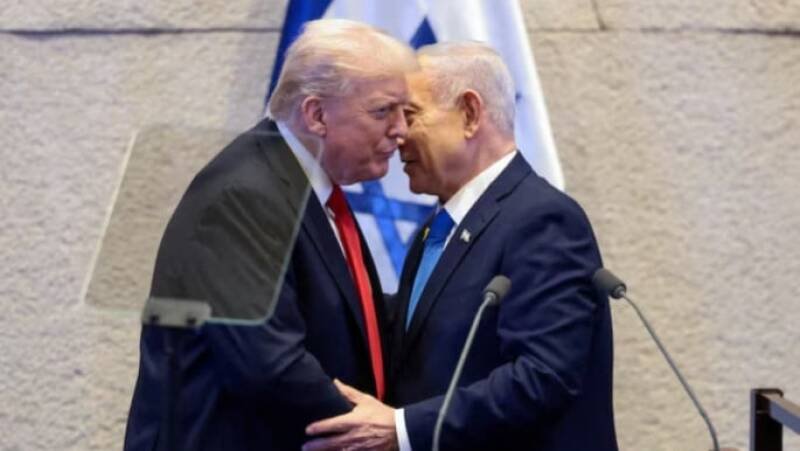
Reports have emerged detailing how close the United States came to a full-blown military conflict with Iran during Donald Trump's presidency. The narrative pieced together reveals a complex interplay of factors, including President Trump's alignment with Israeli Prime Minister Benjamin Netanyahu and a perceived lack of dissenting voices within his administration. Understanding these details is crucial to grasping the dynamics that continue to shape U.S.-Iran relations.
Understanding how close the U.S. came to war with Iran is vital for several reasons. First, it sheds light on the decision-making processes within the Trump administration regarding foreign policy. Second, it highlights the potential dangers of unchecked presidential power and the importance of diverse voices in national security discussions. Third, it provides context for the current state of U.S.-Iran relations and the ongoing efforts to revive the Iran nuclear deal. Finally, learning from near misses is critical to preventing future conflicts.
In our opinion, the alignment with Netanyahu, while understandable given the close historical ties between the U.S. and Israel, may have skewed the administration's perspective on Iran. A more balanced approach, incorporating diverse viewpoints and a deeper understanding of Iranian motivations, might have led to a less confrontational and ultimately more effective strategy. The lack of dissenting voices within the administration is particularly concerning. A robust internal debate is essential for sound decision-making, especially when dealing with matters of war and peace.
The aggressive approach of targeted strikes and threats, while intended to deter Iran, arguably backfired by provoking a more defiant response. This could impact regional stability and international relations for years to come. It's crucial to remember that foreign policy is rarely a zero-sum game, and actions often have unintended consequences.
The legacy of Trump's Iran policy continues to influence the current administration's approach. Efforts to revive the Iran nuclear deal face significant challenges, partly due to the deep-seated mistrust that developed during the Trump era. It's likely that tensions between the U.S. and Iran will persist for the foreseeable future, but de-escalation and diplomacy remain the best path forward. A return to the negotiating table, with a willingness to compromise and address each other's concerns, is essential for preventing future crises.
Moving forward, the U.S. needs to adopt a more nuanced and comprehensive strategy towards Iran, one that combines deterrence with diplomacy and engages with regional partners. This approach should prioritize de-escalation, conflict resolution, and the pursuit of a more stable and secure Middle East. The lessons learned from the near-war experience under Trump must guide future policy decisions to prevent a repeat of history. We believe that a strong emphasis on diplomacy, supported by a clear and consistent U.S. foreign policy, is essential to prevent future escalation.