Trinidad & Tobago Energy: Shell's Plans and Government's Role Examined
Former Prime Minister Stuart Young suggests the T&T government may be sidelined in Shell's energy development plans. We analyze the implications and future outlook for the nation's energy sector.
Former PM Raises Concerns About Government's Role in Shell's Energy Plans in Trinidad & Tobago
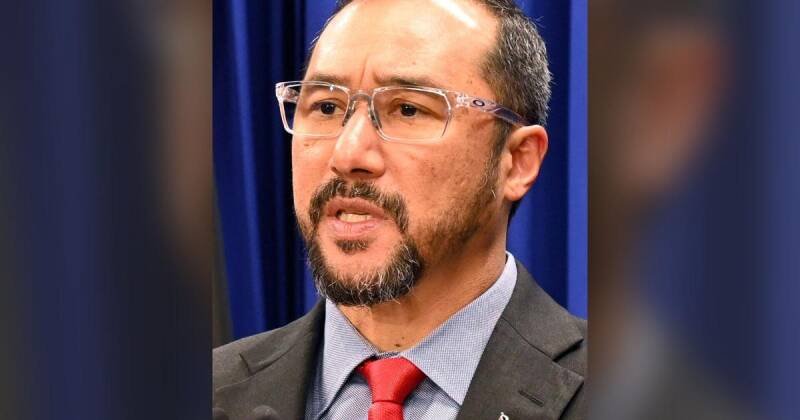
Former Prime Minister and Energy Minister of Trinidad & Tobago, Stuart Young, has recently voiced concerns regarding the seeming lack of involvement of the current government and the state-owned National Gas Company (NGC) in ongoing developments with Shell. This has sparked debate about the future of the nation's crucial energy sector and the government's role in shaping it.
What Exactly is Happening?
Young's statement suggests that Shell, a major player in Trinidad & Tobago's energy landscape, is moving forward with significant projects, potentially in gas exploration or production, without the active participation of the government or the NGC. While specific details of these projects are still unclear, the implication is that key decisions are being made without the input or oversight of the national authorities. This could impact the benefits the country receives from its own natural resources.
Why This News Matters
The energy sector is the backbone of Trinidad & Tobago's economy. Revenue from oil and gas production funds a significant portion of the national budget. If the government and the NGC are not actively involved in major energy projects, it could lead to several negative consequences:
- Reduced Revenue: The government may receive a smaller share of profits if it isn't actively negotiating terms and conditions in energy development deals.
- Loss of Control: Without government involvement, the nation could lose some control over its natural resources and the pace of their development.
- Missed Opportunities: The NGC plays a vital role in ensuring the optimal utilization of natural gas for domestic industries. Limited involvement could lead to missed opportunities for diversification and value-added industries.
- Economic Vulnerability: Over-reliance on a single company’s strategy could expose the nation to greater economic vulnerability if those plans change.
Our Analysis
In our opinion, Young's concerns warrant careful consideration. A proactive and engaged government is crucial for ensuring that Trinidad & Tobago benefits fully from its energy resources. We believe transparency and collaboration are essential in the energy sector. The government should be actively involved in all major projects, working in partnership with international companies like Shell, to secure the best possible outcomes for the country.
The absence of government involvement, even perceived, erodes public trust and raises questions about the direction of the energy sector. This could lead to uncertainty in the market, potentially discouraging further investment from other energy companies.
The Importance of the NGC
The National Gas Company (NGC) is a critical asset for Trinidad & Tobago. It plays a central role in the transmission, distribution, and marketing of natural gas. Its expertise is invaluable in negotiating agreements with energy companies and ensuring that gas resources are utilized in a way that benefits the national economy. Minimizing the NGC’s role could weaken the nation’s negotiating position and lead to less favorable terms.
Future Outlook
The future of Trinidad & Tobago's energy sector depends on how the government addresses these concerns. Several key steps can be taken:
- Increased Transparency: The government should publicly clarify its role in ongoing energy projects and outline its strategy for the sector.
- Active Engagement: The government should actively engage with Shell and other energy companies to ensure that national interests are protected.
- Strengthening the NGC: The government should empower the NGC to play its full role in the energy sector.
- Diversification: Trinidad and Tobago needs to diversify its economy to reduce its dependence on oil and gas. A strong energy sector, managed effectively, can provide the resources needed to achieve this diversification.
This could impact the nation's long-term economic stability. If the current trend continues, Trinidad & Tobago could face significant challenges in the future. Active and strategic government involvement is essential to secure a brighter future for the nation's energy sector and its people.