Trinidad and Tobago Probation System: A Fresh Start for Offenders and a Win for Taxpayers
Trinidad and Tobago introduces a probation system to reduce prison overcrowding and save money. Learn about the impact and future implications of this reform.
Trinidad and Tobago Implements Probation System: A New Approach to Justice
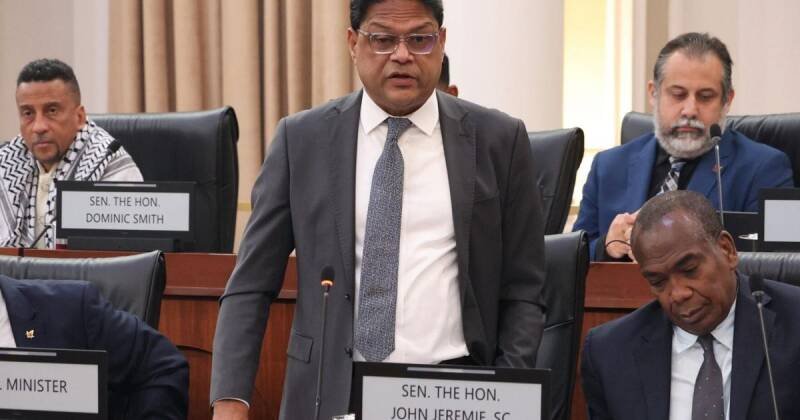
Justice Minister Devesh Maharaj recently announced the implementation of a probation system in Trinidad and Tobago, marking a significant step towards reforming the nation's criminal justice system. This initiative aims to alleviate the persistent issue of overcrowding in prisons while simultaneously offering offenders a chance at rehabilitation and reintegration into society. The move is also expected to result in substantial cost savings for the country.
What is Probation?
Probation is a court-ordered period of supervision where an offender lives in the community while adhering to specific conditions set by the court. These conditions can include regular meetings with a probation officer, mandatory drug testing, participation in rehabilitation programs, and maintaining employment. Unlike imprisonment, probation allows offenders to maintain ties with their families and communities, fostering a more supportive environment for positive change.
Addressing Prison Overcrowding
One of the primary drivers behind this reform is the chronic problem of prison overcrowding in Trinidad and Tobago. Overcrowded prisons often lead to strained resources, increased violence, and poorer living conditions, hindering rehabilitation efforts. By diverting suitable offenders to probation instead of incarceration, the government hopes to reduce the prison population and improve the overall efficiency of the justice system.
Saving Millions
Minister Maharaj emphasized the potential cost savings associated with the probation system. Imprisonment is an expensive undertaking, requiring significant resources for housing, food, medical care, and security. Probation, on the other hand, is a far less costly alternative, allowing the government to allocate resources to other critical areas, such as education and healthcare. The minister projected savings of millions of dollars.
Why This News Matters
This news is significant because it represents a shift in Trinidad and Tobago's approach to criminal justice. Instead of solely focusing on punishment, the government is now embracing a more holistic model that prioritizes rehabilitation and community reintegration. This move could lead to a reduction in recidivism rates, meaning fewer offenders re-offending after release. Furthermore, the cost savings realized through the probation system can be reinvested in other crucial public services, benefiting the entire nation. The creation of more rehabilitation programs will create job opportunities for professionals like social workers, therapists, and counselors.
Our Analysis
In our opinion, the implementation of a probation system is a positive development for Trinidad and Tobago. It acknowledges the limitations of solely relying on incarceration as a solution to crime. By providing offenders with the opportunity to rehabilitate themselves while remaining in their communities, the system offers a more humane and potentially more effective approach. The success of this initiative will depend on several factors, including the availability of adequate resources for probation officers, the effectiveness of rehabilitation programs, and the willingness of communities to support the reintegration of offenders. It is also important to carefully select the right candidates for probation, excluding those who pose a significant risk to public safety. This could impact the crime rate in a positive way.
Future Outlook
The future of the probation system in Trinidad and Tobago looks promising, but it requires ongoing commitment and careful management. Key areas to watch include:
- Resource Allocation: Ensuring adequate funding for probation officers, rehabilitation programs, and support services is crucial for success.
- Data Collection and Analysis: Monitoring recidivism rates and other key performance indicators will help assess the effectiveness of the system and identify areas for improvement.
- Community Engagement: Building strong partnerships with community organizations and engaging local communities in the reintegration process can foster greater acceptance and support for offenders.
- Legislative Updates: Continued review and potential updates to relevant legislation may be necessary to ensure the probation system remains effective and aligned with best practices.
This new system may also require the creation of special departments with qualified staff, as well as the use of technology to monitor offenders' progress. We expect to see gradual improvements in prison conditions and a decrease in the burden on the state's resources over time. In the long run, a successful probation system could lead to a safer and more just society for all citizens of Trinidad and Tobago.