'To Be Returned': Art Program Empowers First Nations Artists in Prison - Analysis
Explore the impact of 'To Be Returned,' an art program empowering First Nations artists with lived experience of incarceration. Understand its significance, future outlook, and our expert analysis.
'To Be Returned': Art Program Empowers First Nations Artists
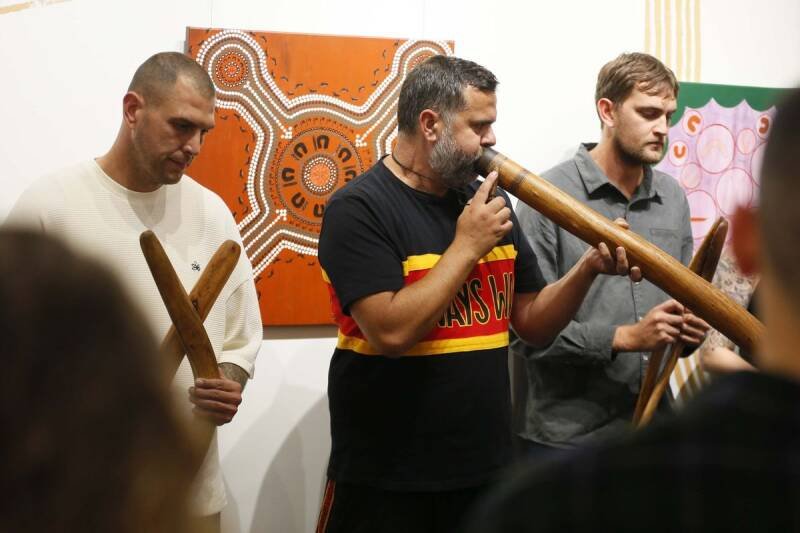
An innovative art program called 'To Be Returned,' run by The Torch, is making waves by providing First Nations people with lived experience of incarceration a platform to create, exhibit, and sell their artwork. This initiative not only provides income opportunities but also plays a vital role in cultural healing and rehabilitation. The program helps these artists reconnect with their identity and share their stories through their art.
What is 'To Be Returned'?
'To Be Returned' is a unique art exhibition and sales program designed specifically for First Nations artists currently or previously incarcerated. Organized by The Torch, a non-profit organization, the program offers art classes, mentorship, and exhibition opportunities. A key component is enabling artists to sell their work, retaining a large portion of the sales proceeds. This financial independence, coupled with creative expression, fosters self-esteem and a sense of purpose.
The Impact on Artists
The impact of 'To Be Returned' extends far beyond just creating art. It provides a safe and supportive environment where artists can explore their cultural heritage, process their experiences, and rebuild their lives. The act of creating art is therapeutic, allowing them to express emotions and stories that might otherwise remain hidden. Furthermore, the opportunity to exhibit and sell their work boosts their confidence and provides validation for their artistic talents.
Why This News Matters
This news is significant for several reasons. First, it highlights the disproportionate rates of Indigenous incarceration and the need for culturally appropriate rehabilitation programs. Second, it showcases the power of art as a tool for healing and social change. Third, it provides a platform for First Nations voices to be heard and for their stories to be shared with a wider audience. 'To Be Returned' offers a model for other organizations looking to support marginalized communities.
Our Analysis
In our opinion, 'To Be Returned' is an exceptional example of how art can be used as a powerful tool for social change. The program's success stems from its holistic approach, which combines art education, mentorship, exhibition opportunities, and financial independence. By providing artists with a platform to express themselves and earn a living, 'To Be Returned' empowers them to rebuild their lives and contribute to their communities. The focus on cultural connection is crucial, helping artists reclaim their identity and find strength in their heritage. This could impact other institutions to begin similar programs, and could create a larger platform for First Nations Artists in general.
Future Outlook
The future of 'To Be Returned' looks promising. As the program continues to grow, it has the potential to reach even more First Nations artists and expand its impact. Increased funding and support from the community will be crucial to its long-term sustainability. We also anticipate that the program will serve as a model for other organizations looking to address the issue of Indigenous incarceration and provide culturally appropriate rehabilitation programs. Here are some potential future steps:
- Expansion of the program to other states and territories.
- Development of online platforms to showcase and sell artwork.
- Partnerships with galleries and museums to provide wider exposure.
- Increased funding for art supplies and training programs.
Ultimately, 'To Be Returned' demonstrates the transformative power of art and the importance of providing opportunities for marginalized communities to express themselves and reclaim their lives. It's an initiative that deserves recognition and support.