Supply Chain Instability Impacts Industrial Production: What You Need to Know
Explore how supply chain disruptions are affecting industrial production, driving up prices, and causing order processing delays. Get analysis, future outlook, and why this matters.
Supply Chain Chaos Squeezes Industrial Production: A Deep Dive
Global supply chains, already strained by the pandemic, are facing increasing instability. This is having a significant knock-on effect on industrial production, leading to price increases and delays in fulfilling orders. Industry stakeholders are reporting that these issues are not only persistent but are, in some cases, worsening.
The Root of the Problem: A Complex Web
The challenges are multifaceted. They stem from a combination of factors, including:
- Geopolitical tensions disrupting trade routes
- Labor shortages affecting production and logistics
- Increased demand outpacing available supply
- Port congestion causing bottlenecks in shipping
- Unpredictable events like extreme weather further exacerbating existing issues
These interconnected problems create a ripple effect, impacting every stage of the industrial production process, from raw materials to finished goods.
Price Hikes and Order Delays: The Immediate Impact
One of the most immediate consequences is the increase in prices. As the cost of raw materials and transportation rises, manufacturers are forced to pass these costs onto consumers. This contributes to inflationary pressures across the board.
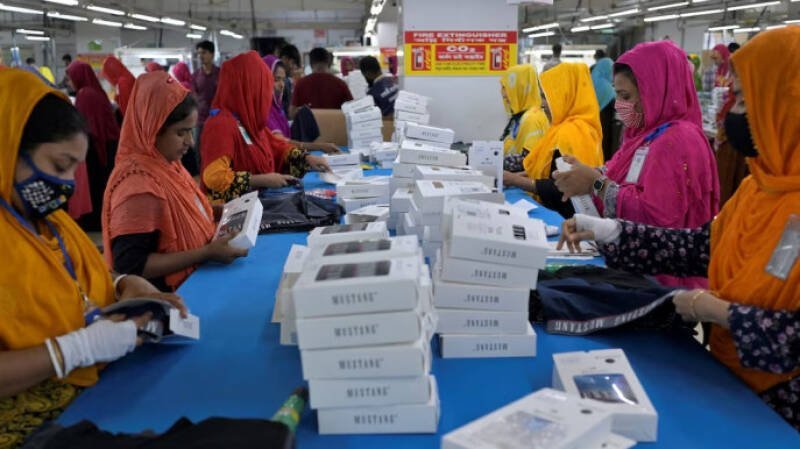
Furthermore, the instability in supply chains is causing significant delays in order processing. Companies are struggling to obtain the necessary components and materials to complete their production runs. This leads to longer lead times for customers and creates uncertainty in the market.
Why This News Matters
This isn't just an abstract economic problem; it affects everyone. Higher prices mean reduced purchasing power for consumers. Delays in production impact businesses' ability to meet demand, potentially leading to lost sales and reduced profits. Ultimately, this instability can stifle economic growth and create broader uncertainty.
For businesses, understanding these challenges is crucial for strategic planning. Diversifying suppliers, investing in inventory management systems, and proactively communicating with customers are essential steps for mitigating the impact of supply chain disruptions.
Our Analysis
In our opinion, the current supply chain situation is likely to persist for some time. The underlying issues are complex and deeply entrenched, and it will take a concerted effort from governments, businesses, and international organizations to address them effectively.
The reliance on single suppliers and geographically concentrated manufacturing hubs has proven to be a vulnerability. Companies should consider diversifying their supply chains to reduce their exposure to disruptions.
This could impact smaller businesses disproportionately. Larger companies often have the resources and bargaining power to navigate these challenges more effectively, leaving smaller businesses struggling to compete.
Future Outlook
Looking ahead, several factors will shape the future of supply chains. The adoption of new technologies, such as blockchain and AI, could improve transparency and efficiency. Greater collaboration between stakeholders across the supply chain could also help to mitigate risks and improve resilience.
However, geopolitical tensions and unpredictable events are likely to remain a source of uncertainty. Businesses need to be prepared to adapt to changing conditions and proactively manage their supply chains to minimize disruptions.
We anticipate that companies that invest in resilient supply chains will be better positioned to thrive in the long term. This includes not only diversifying suppliers but also building stronger relationships with key partners and investing in data-driven decision-making.