Skier Dies in Rogers Pass Avalanche: Understanding the Risks and Future of Backcountry Safety
A skier died in Rogers Pass due to a loose-snow avalanche. We break down the incident, explain the risks, and discuss the future of backcountry safety.



A skier died in Rogers Pass due to a loose-snow avalanche. We break down the incident, explain the risks, and discuss the future of backcountry safety.
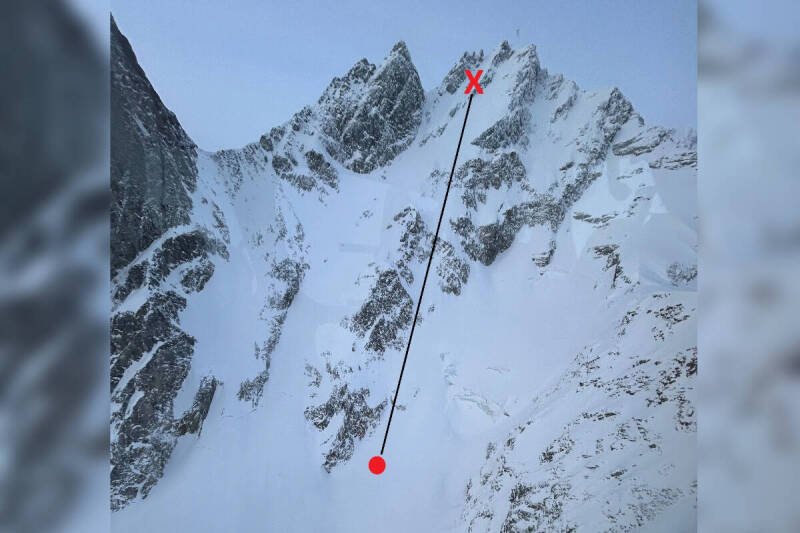
A skier tragically died on March 30th in Rogers Pass, British Columbia, after being caught in a loose-snow avalanche, commonly referred to as a "sluff." Parks Canada reported that the incident occurred on Swiss Peak, resulting in the skier being swept approximately 600 meters (almost 2000 feet) down the mountain.
According to reports, the skier was caught in a "sluff" avalanche. A sluff avalanche is a type of avalanche that occurs when loose, unconsolidated snow on the surface of a slope releases and slides downhill. These avalanches are typically smaller than slab avalanches (where a large layer of snow breaks away), but they can still be powerful and dangerous, especially on steep terrain.
The steepness of Swiss Peak likely contributed to the incident, as sluff avalanches are more likely to occur on slopes with a greater incline. The impact of being swept 600 meters, regardless of the snow volume, would have been significant and likely caused severe trauma.
This tragedy serves as a stark reminder of the inherent risks associated with backcountry skiing and mountaineering, even for experienced individuals. While the specific circumstances surrounding the accident are still being investigated, the incident highlights the importance of:
This incident isn't just a local story; it impacts the entire backcountry skiing community. It encourages us to reflect on our own safety practices and reinforce the importance of education and preparedness.
In our opinion, this incident underscores the unpredictable nature of mountain environments. Even with careful planning and advanced skills, unforeseen circumstances can arise. While we await further details from the investigation, it seems clear that the skier encountered a localized hazard that proved fatal.
The mention of a "sluff" avalanche is particularly noteworthy. Often perceived as less dangerous than slab avalanches, sluffs can still pose a significant threat, particularly in steep, exposed terrain. They can knock skiers off their feet, carry them over cliffs, or bury them in deep snow. This could impact the way we think about evaluating avalanche danger. Are we truly considering all aspects of the dangers present in mountain environments?
The 600-meter fall suggests the skier was in a particularly vulnerable location when the avalanche occurred. This highlights the need for careful route selection and awareness of potential escape routes in case of an emergency.
Moving forward, we anticipate increased emphasis on avalanche safety education and awareness programs. Parks Canada and other organizations will likely use this incident as a case study to reinforce the importance of risk management in the backcountry.
We also believe that advancements in technology, such as improved avalanche forecasting models and personal safety devices, will continue to play a crucial role in mitigating avalanche risk. However, technology alone is not enough. It is essential that skiers and snowboarders develop sound decision-making skills and respect the power of the mountains.
This could impact the future of backcountry permits and access in areas like Rogers Pass. Increased regulation may be implemented to ensure that individuals entering the backcountry possess the necessary skills and equipment to navigate safely. This event underscores the need for personal responsibility and continuous learning when venturing into the wilderness.
























