Saving Maltese Interpretation at the European Parliament: Why It Matters
The European Parliament is working to preserve Maltese interpretation. Learn why this is important, the challenges, and the future outlook.



The European Parliament is working to preserve Maltese interpretation. Learn why this is important, the challenges, and the future outlook.
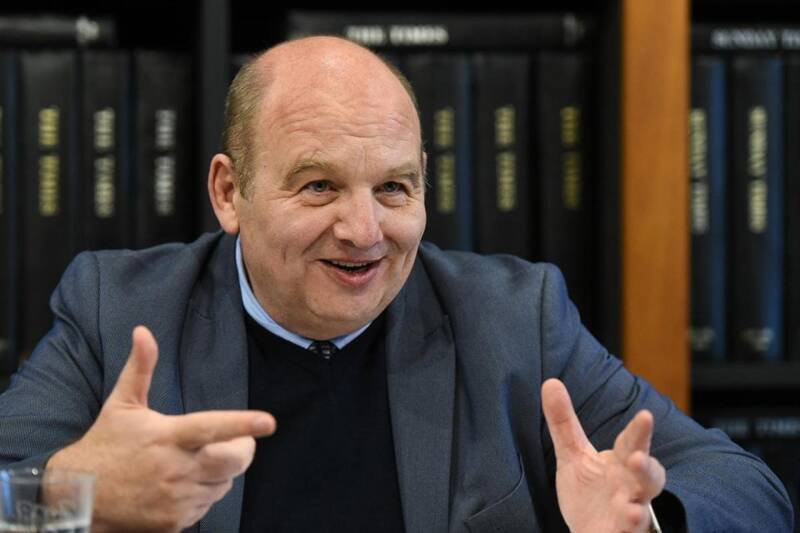
The European Parliament is facing a challenge: ensuring that the Maltese language continues to be interpreted during its sessions. While it might seem like a niche issue, preserving the ability for Maltese speakers to fully participate in the EU's legislative process is crucial for representation and cultural identity. The Director General for Translation at the European Parliament, Valter Mavrič, passionately described being a translator as "the best job in the world," highlighting the importance and value placed on language services within the EU.
Maltese, a Semitic language with Romance influences, is one of the smallest official languages of the European Union. Ensuring its presence in the European Parliament isn't just about translation; it's about inclusivity. Maltese citizens deserve to have their voices heard and understood in their native tongue, and conversely, they need to understand the decisions that impact their lives directly. Interpretation bridges that gap, allowing for seamless communication and democratic participation.
The potential loss of Maltese interpretation services, while not explicitly stated as imminent in the original report, raises significant concerns. If the availability of qualified interpreters diminishes, it could effectively disenfranchise Maltese speakers within the EU framework. This sets a dangerous precedent, potentially affecting other smaller languages in the future. A multilingual Europe thrives when all its languages are valued and supported.
The commitment to maintain Maltese interpretation reflects a broader struggle within the EU to balance efficiency and inclusivity. Maintaining interpretation services for all official languages is expensive and resource-intensive. However, the alternative – reducing or eliminating services for smaller languages – risks creating a two-tiered system where some citizens have better access to information and political processes than others.
In our opinion, the European Parliament is taking the correct approach by actively working to find solutions. This proactive stance demonstrates a commitment to linguistic diversity, a core value of the European Union. It sends a message that all languages, regardless of the number of speakers, are important and deserve protection.
The future of Maltese interpretation in the European Parliament hinges on several factors:
This could impact how EU policy is received and understood in Malta, potentially affecting voter turnout and overall engagement with European affairs.
The effort to save Maltese interpretation is emblematic of the broader challenges facing multilingualism in Europe. As globalization and technological advancements continue to reshape communication, it's more important than ever to preserve linguistic diversity. Language is not just a tool for communication; it's a vital part of cultural identity and heritage. By supporting languages like Maltese, the European Union can strengthen its commitment to inclusivity and ensure that all its citizens have a voice.
Ultimately, the success of this endeavor will require a collaborative effort from the European Parliament, Maltese authorities, and the language services community. A commitment to innovation, investment, and a deep appreciation for the value of language will be essential to preserving Maltese interpretation for generations to come.
























