Rental Scams Surge: Collingwood Woman's Warning and How to Protect Yourself
Learn about the rise in rental scams, especially on platforms like Facebook Marketplace, and how to avoid becoming a victim. A Collingwood woman shares her story and police offer advice.
Rental Scams Surge: Collingwood Woman's Warning and How to Protect Yourself
A Collingwood woman's recent experience highlights the growing problem of rental scams, particularly on online platforms like Facebook Marketplace. She lost thousands of dollars after falling victim to a scammer while desperately searching for housing. This serves as a stark reminder of the vulnerabilities people face in the current housing market.
The Collingwood Woman's Story
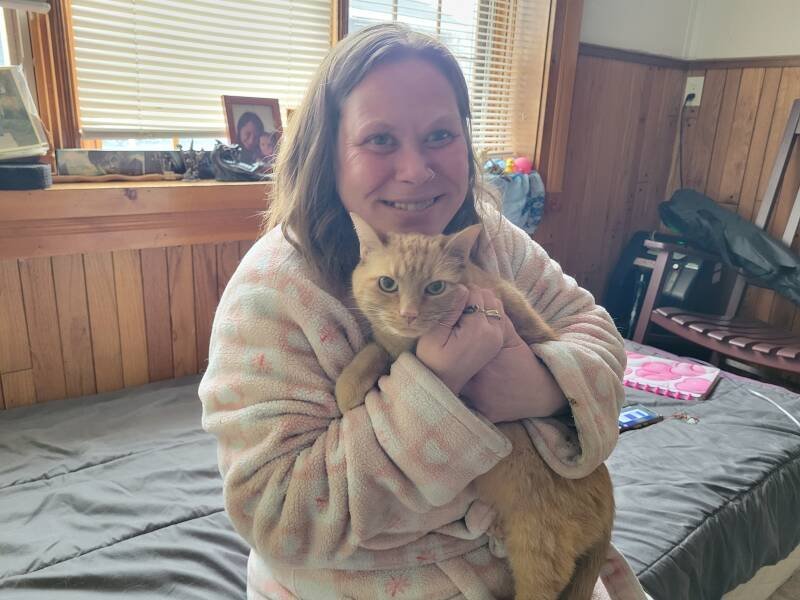
The woman, who wishes to remain anonymous, was staying in a shelter when she encountered a rental listing on Facebook Marketplace. Exhausted and desperate after days of sleeplessness and illness, she acted quickly, transferring money to the supposed landlord before realizing it was a scam. "I should have known myself, but after six days of no sleep, I was drenched and sick. I was desperate," she recounted.
Police Warning: A Growing Problem
Local police are reporting an increase in rental scams, mirroring a national trend. Scammers often exploit the high demand for housing and the emotional stress of those searching, especially in areas with limited affordable options.
Common Tactics Used by Scammers
- Fake Listings: Scammers create fake listings with attractive photos and low prices to lure in potential renters.
- Pressure Tactics: They often pressure victims to act quickly, claiming high demand or limited availability.
- Requests for Upfront Payments: Scammers demand security deposits and first month's rent before allowing potential tenants to view the property.
- Stolen Identities: They may impersonate legitimate landlords or real estate agents.
Why This News Matters
This story is important because it exposes a growing crisis in the rental market. As affordable housing becomes increasingly scarce, vulnerable individuals are more susceptible to scams. These scams not only result in financial loss but also cause significant emotional distress and can further destabilize already precarious living situations. This news serves as a crucial warning to anyone looking for a rental property.
Our Analysis
In our opinion, the rise in rental scams is a direct consequence of the housing affordability crisis and the increasing reliance on online platforms for finding accommodation. Facebook Marketplace, while convenient, lacks the robust verification processes of established rental websites and real estate agencies, making it a breeding ground for fraudulent activity. The combination of desperation and opportunity creates a perfect storm for scammers to thrive.
The emotional toll on victims should not be underestimated. Beyond the financial loss, the sense of betrayal and the disruption to housing plans can have a devastating impact on individuals already struggling with difficult circumstances. More must be done to protect vulnerable renters.
Future Outlook
The problem of rental scams is likely to worsen unless proactive measures are taken. We believe increased public awareness campaigns, stricter regulations on online rental platforms, and improved verification processes are essential. Additionally, greater investment in affordable housing is crucial to alleviate the desperation that scammers exploit.
Steps You Can Take to Protect Yourself
- Never send money before seeing the property in person.
- Verify the landlord's identity. Check property ownership records online or with the local municipality.
- Be wary of listings that seem too good to be true.
- Don't feel pressured to act quickly. Take your time to research and verify information.
- Use reputable rental websites and agencies.
- Report suspicious listings to Facebook Marketplace and the police.
Seeking Help and Reporting Scams
If you believe you have been a victim of a rental scam, report it immediately to your local police and the Canadian Anti-Fraud Centre. You can also contact consumer protection agencies in your province or territory for assistance. Remember, you are not alone, and reporting the scam can help prevent others from becoming victims.
This could impact many people actively searching for rentals, and sharing this information could potentially save someone from being scammed.