Raccoon Rescue: Recovered Raccoons Released Back to the Wild in British Columbia
A group of raccoons, rehabilitated after suffering injuries and dehydration, have been successfully released back into the wild in British Columbia. Learn about their journey and the importance of wildlife rehabilitation.
Raccoon Rescue: Recovered Raccoons Released Back to the Wild in British Columbia
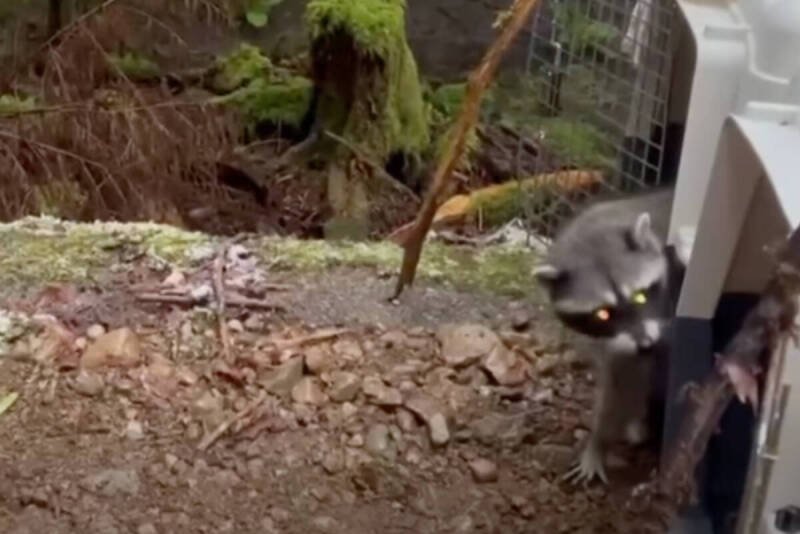
A heartwarming story is unfolding in British Columbia as a group of raccoons, nursed back to health after a challenging winter, have been released back into their natural habitat. These resourceful creatures, who arrived at a local wildlife rehabilitation center suffering from various ailments, are now thriving thanks to dedicated care and attention.
From Dehydrated to Delightful: The Raccoons' Journey
The raccoons arrived at the center in varying conditions. Some were dehydrated, likely struggling to find sufficient water sources during the colder months. Others were suffering from injuries, potentially sustained from encounters with vehicles or other wildlife. One raccoon even had a particularly unusual start to their journey, reportedly having been stolen before ending up in the hands of rescuers.
The rehabilitation process involved providing the raccoons with proper hydration, nutritional support, and veterinary care for their injuries. Wildlife rehabilitation centers play a crucial role in providing specialized care to animals that would otherwise struggle to survive on their own. Reintroducing these animals to the wild is always the ultimate goal.
Why This News Matters
This story highlights the importance of wildlife rehabilitation efforts. These centers act as a safety net for animals impacted by human activity, environmental changes, and natural disasters. By providing necessary care and rehabilitation, they contribute to maintaining healthy wildlife populations and biodiversity.
The successful release of these raccoons is a testament to the dedication and expertise of the wildlife rehabilitators involved. It also underscores the need for continued support and funding for these crucial organizations. Every animal rescued and returned to the wild makes a difference to the wider ecosystem.
Our Analysis
In our opinion, the story of these raccoons demonstrates the positive impact humans can have on wildlife when we dedicate resources and effort to conservation. It also serves as a reminder of the challenges that animals face in an increasingly human-dominated landscape.
The fact that one of the raccoons was stolen is particularly concerning. It underscores the importance of educating the public about the dangers of interfering with wildlife. Wild animals are not pets, and removing them from their natural environment can have devastating consequences. This could impact the delicate balance of the ecosystem if wild animals are poached or interfered with on a large scale.
Future Outlook
The successful release of these raccoons is a positive step, but ongoing challenges remain. Climate change, habitat loss, and human-wildlife conflict continue to pose threats to raccoon populations and other wildlife species. Sustained conservation efforts, including habitat restoration, responsible land management, and public education, are essential to ensure the long-term survival of these animals.
Increased awareness about responsible human behavior around wildlife, such as securing garbage cans to prevent animals from becoming dependent on human food sources and driving cautiously in areas where wildlife is present, can also make a significant difference. In our opinion, more funding must be provided to wildlife rehabilitation centers to give them the opportunity to continue their good work.
How You Can Help
- Support local wildlife rehabilitation centers: Donate your time, money, or supplies.
- Educate yourself and others: Learn about the challenges facing wildlife and share your knowledge.
- Be responsible around wildlife: Keep a safe distance, secure your garbage, and drive cautiously.
- Advocate for conservation: Support policies that protect wildlife and their habitats.