Pluma Moos: A Delicious Dive into Mennonite Culture and History
Explore Pluma Moos, a traditional Mennonite dried fruit soup. Learn about its origins, significance, and how it's enjoyed today. Discover why this seemingly simple dish matters and what the future holds.
Pluma Moos: More Than Just Dried Fruit Soup
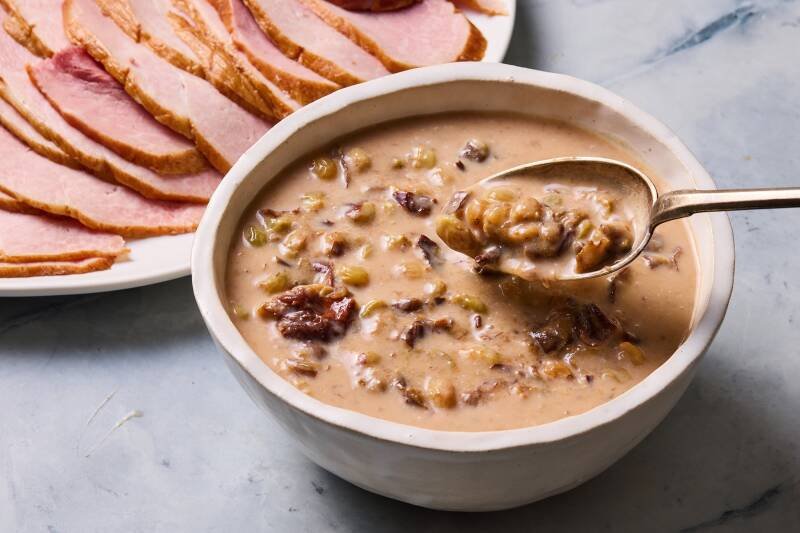
Pluma Moos is a deceptively simple dish with a rich history. This dried fruit soup is a staple of Mennonite cuisine, often enjoyed as a side dish, particularly during festive occasions. While it might sound unusual to some, Pluma Moos offers a delightful combination of sweet and tart flavors that have been passed down through generations.
What Exactly is Pluma Moos?
At its core, Pluma Moos is a soup made from dried fruits. The specific fruits used can vary, but common ingredients include prunes (plums – hence "Pluma"), apples, pears, raisins, and sometimes apricots or peaches. These fruits are simmered in water with sugar and spices like cinnamon or cloves until they are plump and tender. The result is a sweet and slightly tangy soup that can be served warm or at room temperature. Some variations also include thickening agents like cornstarch or tapioca to create a richer texture.
A Taste of Mennonite Heritage
Pluma Moos is more than just a recipe; it’s a tangible connection to Mennonite heritage. Mennonite communities, known for their simple living and close-knit traditions, have preserved this dish for centuries. The use of dried fruits reflects the practicality of preserving food for the winter months, a necessity for early settlers and farming communities. Pluma Moos, therefore, represents resourcefulness, sustainability, and the importance of family and community in Mennonite culture.
Why This News Matters
While Pluma Moos might seem like a niche food item, its significance extends beyond the culinary world. Understanding the origins and traditions behind foods like Pluma Moos helps us appreciate the diversity of cultures within our society. It reminds us that food is often deeply intertwined with history, religion, and community. By exploring these connections, we can gain a broader perspective on the world around us.
Furthermore, rediscovering and preserving traditional recipes like Pluma Moos can contribute to food sustainability. Utilizing simple, readily available ingredients and traditional preservation methods aligns with current trends towards minimizing food waste and supporting local food systems. In our opinion, embracing these traditions can offer valuable lessons for a more sustainable future.
Our Analysis
The enduring popularity of Pluma Moos highlights the power of tradition. In a world of ever-changing food trends, this simple dish offers a comforting taste of the past. Its versatility, being served warm or cold, and its suitability as a side or dessert, makes it a flexible addition to any meal. What is especially compelling is how simple the ingredients are.
However, it's important to acknowledge that tastes vary. Some might find the sweetness of Pluma Moos overpowering, while others may not appreciate the texture of dried fruits. The dish could benefit from modern adaptations, perhaps incorporating different flavor profiles or experimenting with new ingredients while staying true to its core essence. This could impact the dish's wider appeal.
Future Outlook
The future of Pluma Moos likely depends on its ability to adapt to modern tastes while preserving its heritage. We anticipate seeing more variations of the dish that incorporate different fruits, spices, and textures. Perhaps chefs will explore using Pluma Moos as a base for other dishes, such as compotes or fillings for pastries. It is also possible that Pluma Moos will stay true to its origins and remain a classic.
Furthermore, the growing interest in culinary tourism and cultural experiences could lead to increased awareness and appreciation for Pluma Moos and other traditional Mennonite foods. Food festivals, cooking classes, and online resources could play a vital role in showcasing the rich culinary heritage of Mennonite communities. We believe that by celebrating and sharing these traditions, we can ensure that dishes like Pluma Moos continue to be enjoyed for generations to come.
Where to Find Pluma Moos
If you're interested in trying Pluma Moos, you might find it at Mennonite restaurants or bakeries. You can also find numerous recipes online and try making it yourself! It's a delicious way to connect with a unique culture and experience a taste of history.