Plant-Forward Menus: The Rise of Vegetables in Restaurants and Homes
Explore the growing trend of plant-forward menus, where vegetables take center stage, and how this shift impacts the food industry, health, and the environment.
Plant-Forward Menus: Vegetables Taking Center Stage
Plant-forward eating is booming. It's no longer a niche trend; it's a full-blown movement transforming how we think about and consume food. Instead of meat being the automatic star of every plate, plant-forward menus put vegetables front and center. This isn't just about cutting out meat entirely (although it can be); it's about making produce the hero.
What Does Plant-Forward Mean?
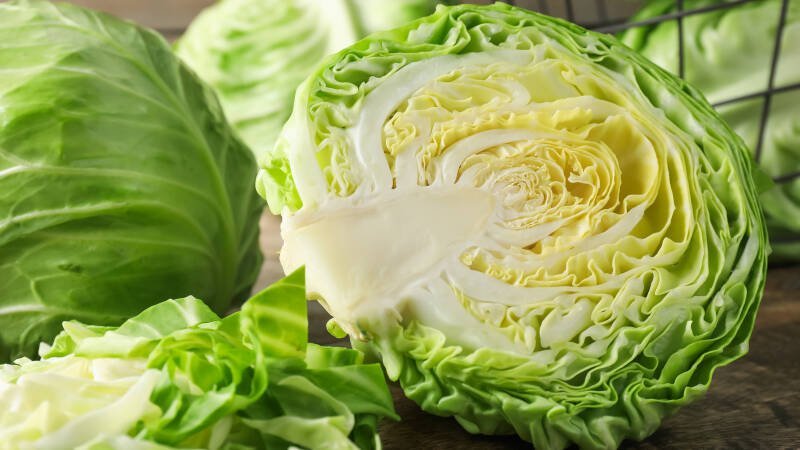
Think of it this way: picture a plate overflowing with vibrant, colorful vegetables. Maybe there's a small portion of sustainably sourced protein, or perhaps not at all. The key is that the vegetables are the main attraction, skillfully prepared to showcase their textures, flavors, and nutritional benefits. It's about celebrating the versatility of plants and using culinary techniques to make them incredibly delicious.
The Shift in Culinary Thinking
Chefs are increasingly embracing this approach. They're using creative techniques to elevate simple vegetables into gourmet dishes. Think roasted cauliflower steaks with chimichurri, butternut squash risotto, or beet carpaccio with goat cheese and balsamic glaze. The possibilities are endless. They are also using sauces and spices from across the world to create exciting new flavor profiles for vegetables.
Why This News Matters
The rising popularity of plant-forward menus has significant implications for various aspects of our lives:
* **Health:** Increased vegetable consumption is linked to numerous health benefits, including lower risk of heart disease, type 2 diabetes, and certain cancers.
* **Environment:** Plant-based diets generally have a smaller environmental footprint compared to meat-heavy diets, reducing greenhouse gas emissions, water usage, and land degradation.
* **Economy:** The growing demand for plant-based foods is creating new opportunities for farmers, food manufacturers, and restaurants.
* **Culinary Innovation:** This trend is forcing chefs to think outside the box and develop innovative techniques for preparing vegetables, leading to exciting new flavors and dining experiences.
Our Analysis
In our opinion, the plant-forward movement is more than just a fleeting fad. It represents a fundamental shift in how we view food and our relationship with the planet. Consumers are becoming more aware of the health and environmental impacts of their dietary choices and are actively seeking out more sustainable and plant-based options.
This trend is also being driven by a desire for culinary adventure. People are tired of the same old meat-and-potatoes routine and are eager to explore new flavors and textures. Plant-forward menus offer a exciting way to do just that.
Future Outlook
We believe the plant-forward trend will continue to grow in the coming years.
* **Continued Menu Expansion:** Expect to see more restaurants incorporating plant-forward dishes into their menus, even if they don't specialize in vegetarian or vegan cuisine.
* **Increased Availability of Plant-Based Products:** As demand grows, we'll likely see a wider range of plant-based alternatives to meat and dairy products becoming available in grocery stores.
* **Focus on Sustainability:** Consumers will increasingly demand transparency regarding the sourcing and production of plant-based foods, with a focus on sustainability and ethical practices.
* **Home Cooking Adoption:** We also expect home cooks to adopt plant-forward principles in their own kitchens. It could mean trying new recipes with more vegetable portions or making small changes to reduce meat consumption.
This could impact the agricultural industry positively, with the possible need to support more vegetable farming. In the future, more restaurants will be experimenting with novel flavors and techniques, making vegetables more appealing than ever.
Ultimately, the plant-forward movement is a positive development for our health, our planet, and our culinary horizons.