Passover 2024: Modern Seder Menus and Spring Produce
Passover 2024 brings fresh spring produce and modern takes on the traditional Seder menu. Explore the trends and what they mean for your holiday celebration.
Passover 2024: Fresh Spring Flavors and Modern Seder Traditions
Passover, the Jewish festival celebrating freedom from slavery in ancient Egypt, is upon us once again. And this year, the Seder table is getting a vibrant makeover. Think beyond the traditional matzah and charoset; spring’s freshest produce and modern culinary twists are taking center stage.
What's New on the Seder Plate?
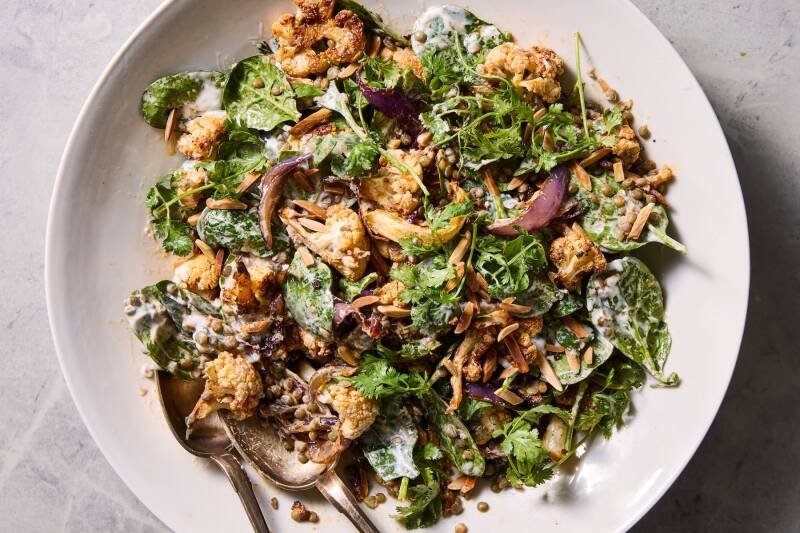
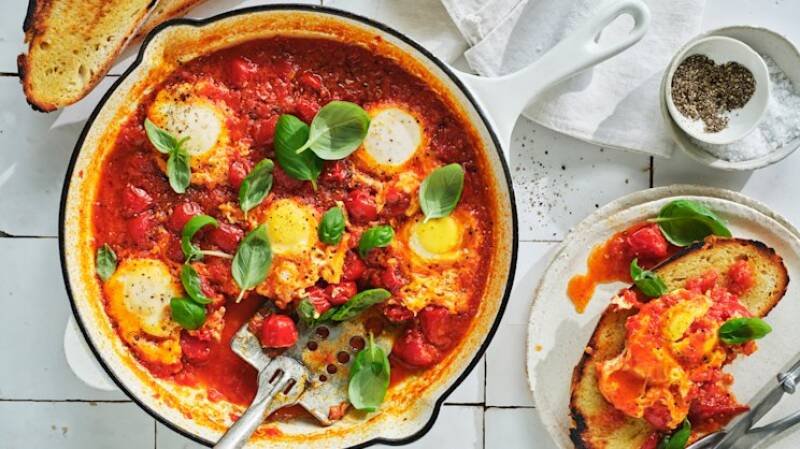
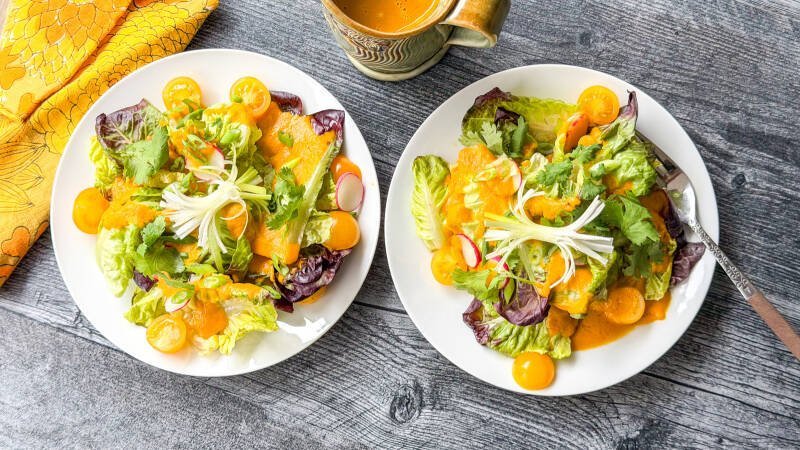
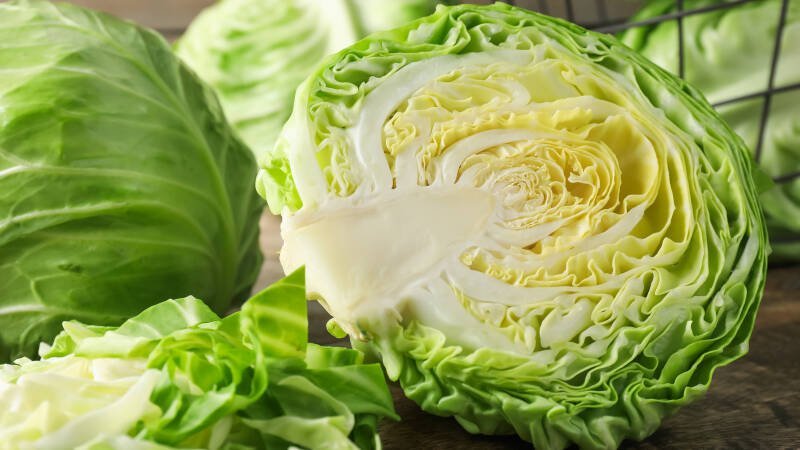
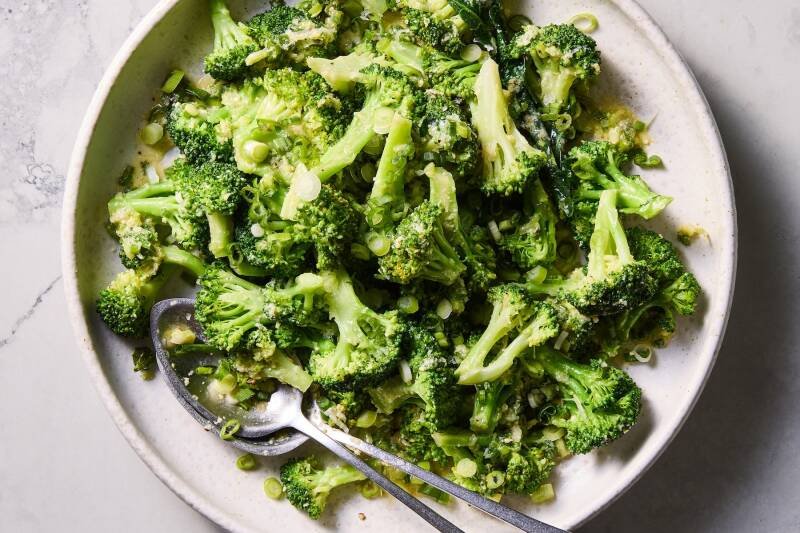
While the core symbolic foods remain, expect to see seasonal vegetables like asparagus, artichokes, and even ramps gracing Seder plates and accompanying dishes. Chefs and home cooks are embracing these ingredients to create lighter, brighter, and more flavorful meals.
This isn't just about aesthetics; it's about reflecting the themes of renewal and rebirth inherent in the Passover story. Spring produce symbolizes the blossoming of freedom and the promise of a new beginning.
Modern Seder Menus: Breaking with Tradition (Respectfully)
Traditional Passover menus can be heavy on meat and starches. However, modern Seder menus are leaning towards lighter fare, incorporating plant-based options and globally inspired flavors. Imagine a Moroccan-spiced lamb dish alongside a vibrant spring vegetable tagine.
We are seeing a rise in innovative recipes that reimagine traditional dishes. Think matzah ball soup with a ginger and lemongrass broth, or haroset variations incorporating dates, pistachios, and cardamom.
Why This News Matters
The evolution of the Seder menu reflects a broader trend of individuals personalizing their religious celebrations. By incorporating seasonal ingredients and modern culinary techniques, people are making Passover more relevant and engaging for themselves and their guests.
This also speaks to a growing awareness of dietary needs and preferences. Modern Seder menus are increasingly inclusive, catering to vegetarian, vegan, gluten-free, and other dietary restrictions. This ensures that everyone can participate fully in the celebration.
Our Analysis
In our opinion, this trend towards modernizing the Seder is a positive development. It allows families to honor tradition while also embracing innovation and inclusivity. It’s a way to keep the holiday relevant for younger generations and ensure that the Passover story continues to resonate.
The emphasis on fresh, seasonal produce is also a welcome change. It encourages healthier eating habits and promotes a connection to the natural world. This could impact how people view and celebrate other traditional holidays as well, potentially leading to more sustainable and health-conscious celebrations.
We believe that the shift to more plant-based options is particularly significant. It aligns with growing concerns about environmental sustainability and animal welfare, making Passover a more ethically conscious celebration.
Future Outlook
Looking ahead, we anticipate that the trend towards modern Seder menus will continue to gain momentum. Expect to see even more creative and innovative recipes incorporating global flavors and plant-based ingredients.
The Rise of Seder Meal Kits and Catering
Convenience is key in today’s busy world. Seder meal kits and catering services are becoming increasingly popular, offering pre-prepared meals that cater to both traditional and modern tastes. This will make it easier for families to host Seder celebrations without spending hours in the kitchen.
Greater Emphasis on Sustainability
We predict a growing focus on sustainable sourcing and reducing food waste during Passover. This could involve using locally sourced ingredients, composting food scraps, and donating leftovers to those in need. This trend underscores a desire to make Passover not only a celebration of freedom but also a demonstration of responsible stewardship of the environment.
This could ultimately lead to a more enriching and meaningful Passover experience for everyone involved.