Oil Prices Surge, Markets Fall After Iran Leadership Change
Oil prices rise and global markets react negatively following the appointment of a new Supreme Leader in Iran.
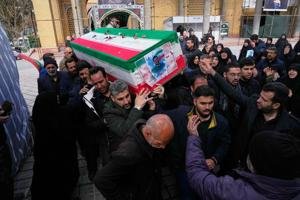



Oil prices rise and global markets react negatively following the appointment of a new Supreme Leader in Iran.
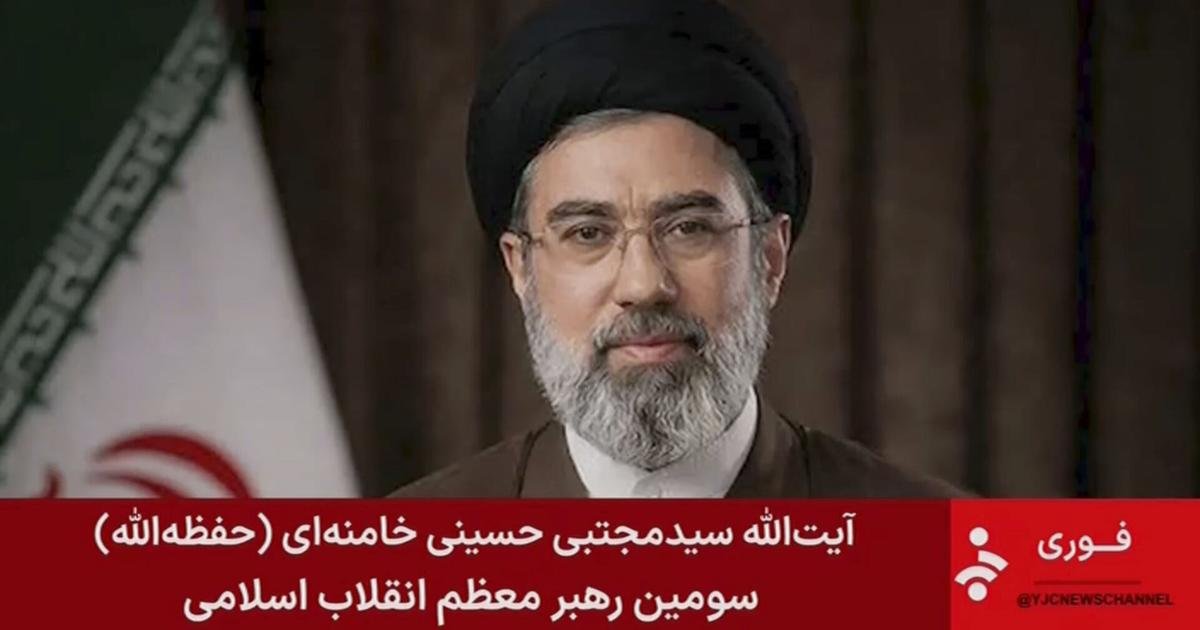
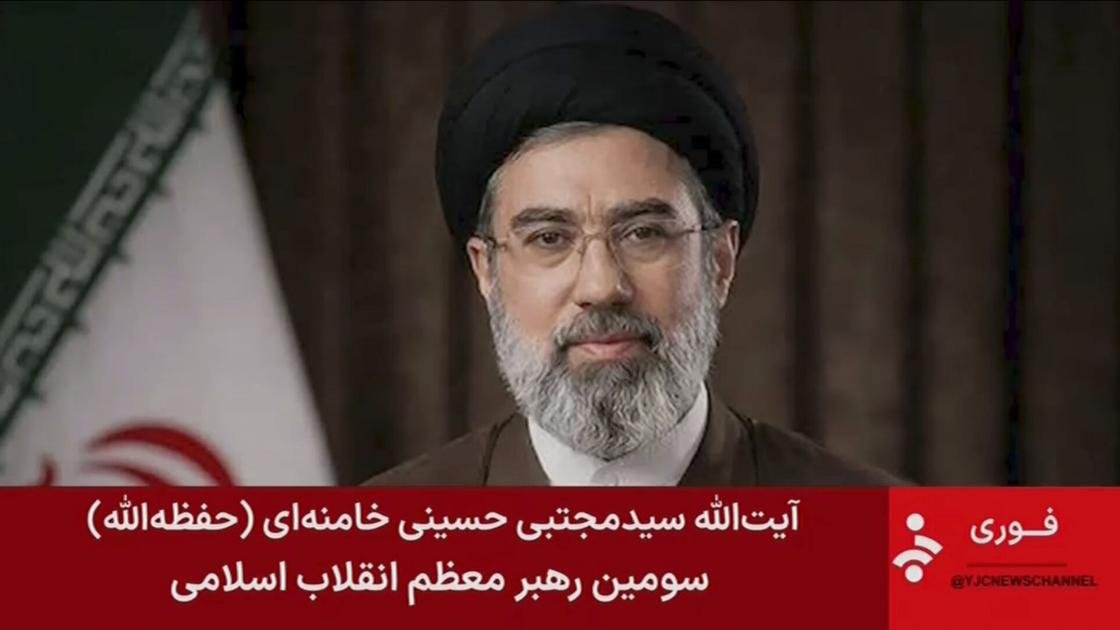
Global financial markets experienced turbulence following a significant political development in Iran. Oil prices climbed notably, while stock markets showed a downturn after Ayatollah Mojtaba Khamenei was selected as the new Supreme Leader of Iran, succeeding his late father.
The immediate market reaction reflects investor concerns about potential instability and shifts in Iranian policy under the new leadership. The Supreme Leader holds immense power in Iran, influencing both domestic and foreign affairs. Any change in leadership can create uncertainty, prompting investors to reassess their positions. The increased volatility in oil prices and the drop in stock market values demonstrate this uncertainty.
Oil prices are sensitive to geopolitical events, especially those occurring in major oil-producing regions like the Middle East. Iran's role as a significant oil producer means that political instability within the country can disrupt global oil supplies, leading to price increases. The appointment of a new Supreme Leader, particularly one viewed as a hard-liner, adds to this perception of instability and raises concerns about future oil production and export policies.
The decline in stock markets suggests a broader unease among investors. Geopolitical risks often lead investors to pull back from equities, seeking safer investments like bonds or gold. The leadership transition in Iran, combined with the hard-line reputation of the new Supreme Leader, has evidently contributed to this risk-averse behavior. Investors are likely waiting to see how the new leadership will impact Iran's international relations and its economic policies before reinvesting in the market.
The Supreme Leader's role is crucial to understanding the impact of this event. In Iran, the Supreme Leader is the highest political and religious authority. They have the final say on all major decisions, including those related to the economy, foreign policy, and national security. Therefore, the person holding this position wields enormous influence. The choice of Ayatollah Mojtaba Khamenei as the new Supreme Leader signals a potentially significant shift in Iran's direction, with potential consequences for the region and the world.
The long-term impacts of this leadership transition remain to be seen. The new Supreme Leader's policies and approach to governance will be closely watched by international observers. Depending on these actions, the global economy could be further affected. Increased tensions in the Middle East, changes in oil production levels, and shifts in Iran's relationships with other countries could all result from this change in leadership.