Mount Daisen: Japan's Sacred Mountain and Adventure Playground
Explore Mount Daisen in Tottori, Japan. Learn about its spiritual significance, hiking trails, and why this region's development matters for tourism and local economies.



Explore Mount Daisen in Tottori, Japan. Learn about its spiritual significance, hiking trails, and why this region's development matters for tourism and local economies.
Nestled in the heart of Tottori Prefecture, Japan, Mount Daisen stands tall not only as a physical landmark but also as a place of deep spiritual significance and a haven for outdoor enthusiasts. This iconic mountain, part of the Daisen-Oki National Park, offers a unique blend of history, culture, and natural beauty, making it a compelling destination for both locals and international travelers.
Mount Daisen has long been revered as a sacred mountain in Japan. For centuries, it has been a site of Shugendo practice, a syncretic religion that combines elements of Shintoism and Buddhism. Pilgrims have journeyed to its slopes for generations, seeking spiritual enlightenment and connection with nature. The mountain's temples and shrines, some dating back to ancient times, bear witness to its rich religious heritage. Even the name "Daisen" translates to "Big Mountain," hinting at the respect it commands.
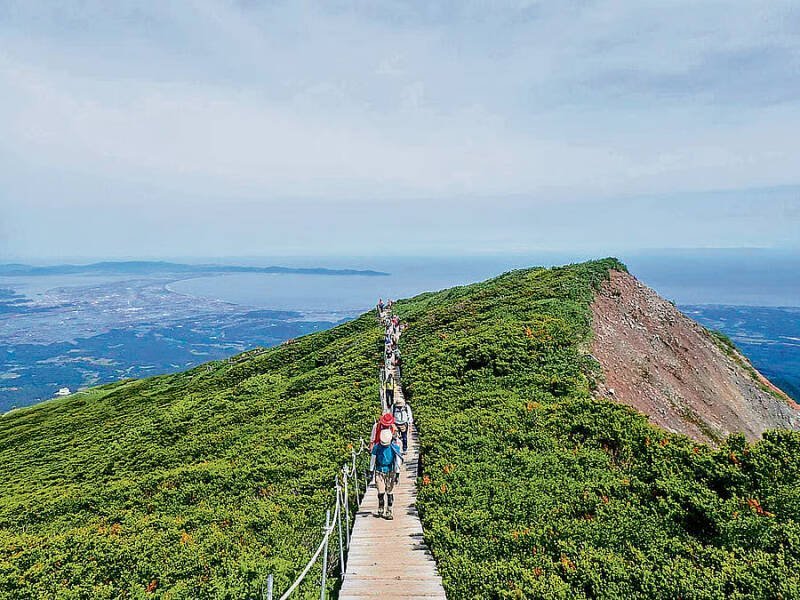
Beyond its spiritual significance, Mount Daisen has evolved into a popular destination for outdoor activities. Hiking is a major draw, with trails catering to all skill levels. From leisurely strolls through the surrounding forests to challenging ascents to the summit, there's an adventure for everyone. In the winter, the mountain transforms into a snowy wonderland, attracting skiers and snowboarders from across the region. This diversification into adventure tourism helps the local community and attracts a new generation of visitors.
The continued development of Mount Daisen as a tourist destination, while maintaining its cultural and environmental integrity, is crucial for the Tottori Prefecture. It provides a sustainable source of income for local communities, supporting businesses and preserving traditional crafts. Showcasing Mount Daisen on a global stage helps diversify Japan's tourism industry, highlighting the country's less-traveled regions and promoting cultural exchange. This could impact local economies and the livelihoods of the people who call this area home.
The story of Mount Daisen is a compelling example of how a place steeped in history and tradition can successfully adapt to the demands of modern tourism. The key lies in balancing development with preservation. While attracting more visitors is essential for economic growth, it's equally important to protect the mountain's fragile ecosystem and preserve its cultural heritage. In our opinion, a strong focus on sustainable tourism practices is vital for ensuring the long-term health and vitality of the region.
Sustainable tourism encompasses responsible travel practices that minimize environmental impact and benefit local communities. This includes measures such as limiting visitor numbers in sensitive areas, promoting eco-friendly transportation options, and supporting local businesses that prioritize sustainability. By embracing these principles, Mount Daisen can ensure that its tourism industry contributes to the well-being of both the environment and the local population.
The future of Mount Daisen as a tourist destination looks bright, provided that sustainable tourism practices are prioritized. Increased investment in infrastructure, such as hiking trails and accommodation facilities, will be crucial for attracting more visitors. However, this investment must be carefully managed to avoid overdevelopment and ensure that the mountain's natural beauty is preserved. Furthermore, promoting Mount Daisen internationally through targeted marketing campaigns will be essential for attracting a wider range of travelers. This could impact international tourism to the region, especially from demographics that have sustainable tourism as a core part of their travel preferences.
One potential challenge facing Mount Daisen is the impact of climate change. Rising temperatures and changing precipitation patterns could affect the mountain's ecosystem, potentially impacting hiking trails and winter sports activities. Proactive measures to mitigate these effects, such as reforestation efforts and water conservation initiatives, will be essential for protecting the mountain's natural resources. Another challenge is balancing the needs of different stakeholders, including tourists, local residents, and conservation groups. Open communication and collaboration will be vital for ensuring that all voices are heard and that decisions are made in the best interests of the region as a whole.
























