US Coast Guard Enhances Pacific Safety: Humanitarian Aid & Tsunami Warning Advancements
The US Coast Guard concludes a month-long Pacific mission, delivering aid and bolstering tsunami warnings. Learn about the operation's impact and future implications.
US Coast Guard Wraps Up Vital Pacific Mission: Boosting Safety and Aid
The US Coast Guard Cutter Oliver Henry recently completed a 29-day operation in the western Pacific, covering a staggering 4,000 nautical miles. This mission wasn't just about showing the flag; it was a crucial exercise in enhancing tsunami warning systems and delivering much-needed humanitarian aid to remote communities. The cutter has now returned to its home port in Guam after successfully concluding its deployment.
What Did the Mission Involve?
The operation focused on two key objectives:
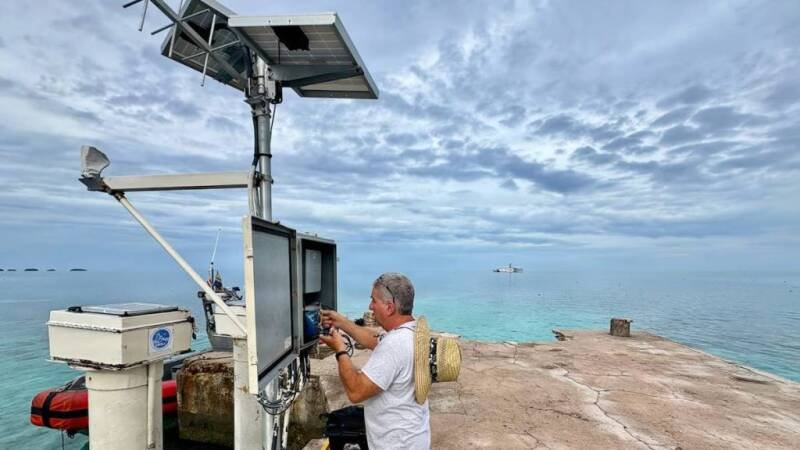
- Improving Tsunami Warning Capabilities: The Coast Guard worked alongside local partners to assess and improve existing tsunami warning infrastructure. This included checking the functionality of buoys and communication systems, ensuring these vital tools are ready in case of a natural disaster.
- Delivering Humanitarian Aid: The Oliver Henry delivered essential supplies like food, water, and medical equipment to isolated communities throughout the region. These communities often face significant challenges in accessing resources, making this aid critically important.
Why This News Matters
This mission highlights the importance of the US Coast Guard's role in the Pacific. It goes beyond traditional maritime security. By actively engaging in disaster preparedness and humanitarian assistance, the Coast Guard strengthens relationships with Pacific Island nations and contributes to the overall safety and well-being of the region.
Tsunami preparedness is paramount in the Pacific, an area highly susceptible to earthquakes and tsunamis. Improving warning systems can literally save lives, providing crucial time for evacuation and minimizing the impact of these devastating events.
The delivery of humanitarian aid also underscores the Coast Guard's commitment to supporting vulnerable populations. These acts of goodwill foster trust and cooperation, which are essential for maintaining stability and security in the Pacific.
Our Analysis
In our opinion, this mission exemplifies a proactive and multi-faceted approach to maritime security. It demonstrates that security isn't solely about military strength; it's also about building partnerships, providing assistance, and promoting resilience in the face of natural disasters.
The strategic importance of the Pacific cannot be overstated. The US Coast Guard's presence in the region sends a strong signal of commitment to regional stability and security. By working collaboratively with local partners, the Coast Guard is fostering a shared sense of responsibility for maritime safety and security.
This could impact how other nations view the US Coast Guard's role in the Pacific. It portrays them as a helpful partner interested in more than just security. It's a soft power play that builds positive relationships and strengthens America's standing in the region.
Future Outlook
We anticipate that the US Coast Guard will continue to play a vital role in the Pacific. Future missions are likely to focus on:
- Expanding Tsunami Preparedness: Continuing to improve and expand tsunami warning systems, working with even more communities and integrating new technologies.
- Strengthening Partnerships: Building stronger relationships with Pacific Island nations through joint exercises, training programs, and collaborative projects.
- Addressing Emerging Challenges: Responding to new threats such as climate change, illegal fishing, and maritime trafficking.
The challenges facing the Pacific are complex and evolving. The US Coast Guard's continued commitment to the region is essential for maintaining stability, promoting sustainable development, and ensuring the safety and security of all who live and work in the Pacific. In our opinion, the Coast Guard's future role will be even more crucial as the region faces increasing environmental and geopolitical pressures.