Middle East Conflict: Key Developments After 10 Days
A summary of the main events after 10 days of war in the Middle East, including Iran's leadership changes and the impact on oil prices.
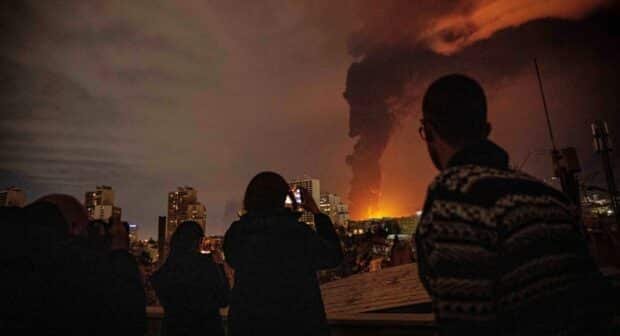



A summary of the main events after 10 days of war in the Middle East, including Iran's leadership changes and the impact on oil prices.
After ten days of conflict in the Middle East, several significant developments have reshaped the region's political and economic landscape. These changes include shifts in Iranian leadership, reactions from the United States, and impacts on global oil markets.
Iran has announced a successor to its late Supreme Leader. The chosen successor is the son of the late Supreme Leader, Mojtaba Khamenei. This decision marks a potential turning point in Iranian politics, as the Supreme Leader holds immense power and influence within the country.
The United States, under President Donald Trump, has already voiced disapproval of Mojtaba Khamenei's potential rise to power. President Trump previously stated that Khamenei's succession would be “unacceptable,” indicating potential future tensions between the two nations due to the change in Iran's leadership.
The Islamic Republic has appointed a new commander to oversee its war strategy. This appointment suggests a shift in military planning and approach to the ongoing conflict. The commander's leadership will be crucial in directing Iranian forces and resources.
The powerful paramilitary Revolutionary Guard has pledged allegiance to the new leadership. This pledge of support reinforces the new commander's authority and ensures the military's loyalty to the new direction of the country. The Revolutionary Guard holds significant military and economic power within Iran, making their support essential for stability.
The ongoing conflict and the political changes in Iran have had an immediate impact on global oil markets. Oil prices have risen above $100 a barrel. These higher prices reflect concerns about potential disruptions to oil supplies from the region due to the instability. Such a rise impacts consumers and businesses globally as the cost of energy and transportation increases.
These developments signify a complex and evolving situation in the Middle East. The leadership changes in Iran, coupled with the U.S.'s disapproval, could lead to increased tensions. The new war strategy and the Revolutionary Guard’s allegiance demonstrate Iran's continued commitment to the conflict. Oil prices will likely remain volatile as the situation unfolds, further impacting the global economy. The coming days and weeks will be critical in determining the long-term consequences of these recent events.