Measles Outbreaks: Why Unvaccinated Babies Are at Extreme Risk
Experts warn that unvaccinated babies are highly vulnerable during measles outbreaks. Learn why this is happening, the potential consequences, and what can be done to protect them.



Experts warn that unvaccinated babies are highly vulnerable during measles outbreaks. Learn why this is happening, the potential consequences, and what can be done to protect them.
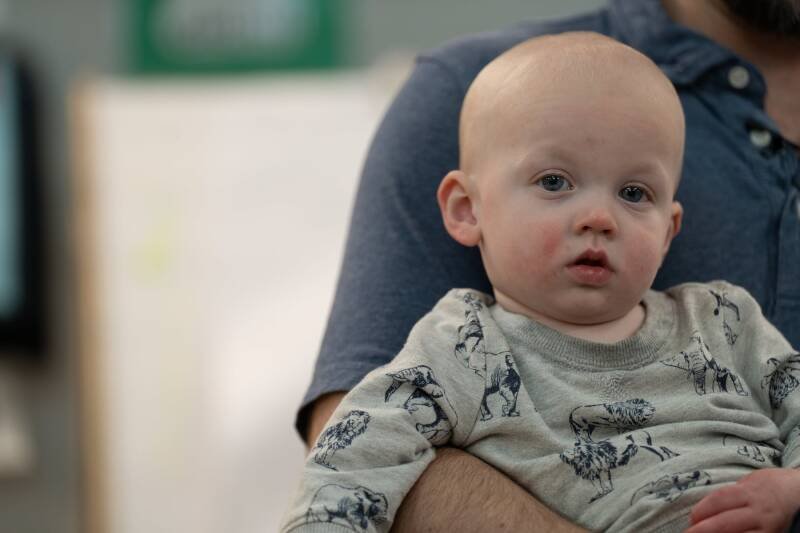
Measles is making a comeback, and health experts are sounding the alarm, particularly regarding the devastating impact on babies too young to receive the measles, mumps, and rubella (MMR) vaccine. These infants are, as some experts put it, "sitting ducks" during outbreaks, facing a significantly higher risk of severe complications and even death.
The MMR vaccine is typically administered to children around 12-15 months of age. This leaves a window of vulnerability during a baby's first year of life. They rely on protection passed from their mothers during pregnancy, but this immunity wanes over time. If measles begins circulating in the community, these unvaccinated babies are especially at risk.
Measles is a highly contagious disease that spreads through respiratory droplets when an infected person coughs or sneezes. For infants, the consequences can be severe, including pneumonia, encephalitis (brain swelling), and even death. According to the WHO (World Health Organization), while measles cases had been largely controlled in many countries, recent declines in vaccination rates have fueled a resurgence.
This isn't just about a few isolated cases. A measles outbreak can quickly overwhelm healthcare systems and disproportionately affect the most vulnerable members of our society. The resurgence of measles highlights a broader issue of vaccine hesitancy and the erosion of herd immunity, which protects those who cannot be vaccinated (like infants and individuals with certain medical conditions).
If vaccination rates continue to decline, we risk losing the hard-won progress made in eradicating this preventable disease. This will potentially lead to increased suffering, strain on healthcare resources, and a return to the days when measles was a common and dangerous childhood illness.
In our opinion, the increased risk to babies during measles outbreaks is a direct consequence of declining vaccination rates and misinformation surrounding vaccines. While some vaccine hesitancy may stem from genuine concerns, it's crucial to rely on evidence-based information from reputable sources like the CDC and WHO.
The media also plays a role in public perception of vaccines. It is important to report vaccine-related news responsibly, avoiding sensationalism and emphasizing the overwhelming scientific consensus supporting vaccine safety and efficacy.
The concept of herd immunity is key here. When a significant portion of the population is vaccinated, it creates a protective barrier that prevents the spread of the disease. This protects those who cannot be vaccinated, including babies and individuals with compromised immune systems.
The future depends on our collective commitment to vaccination. Public health campaigns are essential to educate communities about the importance of vaccines and address any lingering concerns. Stronger policies may also be needed to ensure high vaccination rates, such as requiring vaccinations for school enrollment (with appropriate medical exemptions).
This could impact global health significantly. We must also work to strengthen global vaccination efforts, particularly in regions where access to vaccines is limited. International collaboration and resource allocation are crucial to prevent measles outbreaks from spreading across borders.
Ultimately, protecting babies from measles requires a collective effort. By prioritizing vaccination and combating misinformation, we can safeguard the health of our most vulnerable members of society. The cost of inaction is far too high, and we must work together to prevent a return to the days when measles was a major threat to children's health.