Malaysia's Biomass Energy Potential: Why It's Stalled and How to Revive It
Malaysia's National Biomass Action Plan has stalled. Explore the reasons behind the delay and potential solutions to unlock the country's biomass energy potential.



Malaysia's National Biomass Action Plan has stalled. Explore the reasons behind the delay and potential solutions to unlock the country's biomass energy potential.
Malaysia, a nation rich in agricultural resources, has long held the ambition of becoming a leader in biomass energy. The National Biomass Action Plan, conceived years ago, aimed to convert agricultural waste, particularly from the palm oil industry, into a valuable energy source. But, the implementation hasn't been smooth. Progress has been slower than anticipated, leaving many wondering what's causing the hold-up and what can be done to reignite the plan.
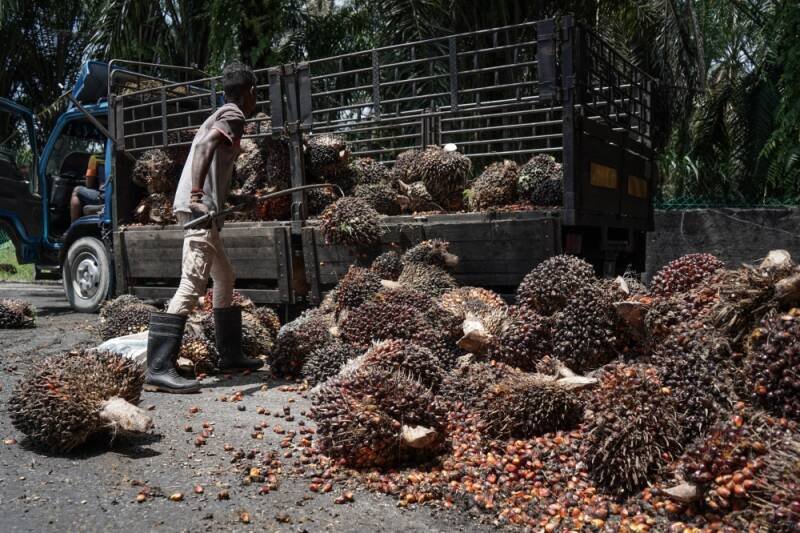
Biomass energy comes from organic matter like agricultural residues, wood, and other plant-based materials. Malaysia, with its vast palm oil plantations and other agricultural activities, generates massive amounts of biomass. Turning this waste into energy offers several benefits: reducing reliance on fossil fuels, decreasing greenhouse gas emissions, and creating new economic opportunities for rural communities. It's a classic win-win scenario on paper.
The stalling of the National Biomass Action Plan is significant for several reasons:
The delay suggests a potential gap between policy and practical implementation. Addressing these issues is vital for Malaysia to meet its renewable energy targets and embrace a more sustainable future.
Several factors likely contribute to the slowdown. One key issue is the infrastructure required to collect, process, and transport biomass. Building these facilities requires significant investment, and securing financing can be challenging. Furthermore, the policy environment might not be providing enough incentives for private companies to invest in biomass projects. There could also be issues related to land availability, regulatory hurdles, and a lack of awareness about the potential of biomass among key stakeholders.
In our opinion, a more coordinated approach is needed. This includes streamlining the regulatory process, offering attractive financial incentives, and investing in research and development to improve biomass conversion technologies. Public-private partnerships could be crucial in driving progress.
Technical challenges also play a role. Converting biomass into usable energy can be complex, and the technology is constantly evolving. Ensuring the economic viability of biomass projects requires careful consideration of feedstock availability, conversion efficiency, and market demand for the energy produced. Furthermore, competition from other renewable energy sources, such as solar and hydro, might be impacting the attractiveness of biomass.
Despite the current challenges, the future for biomass energy in Malaysia is still promising. The country has a vast resource base, a growing awareness of the need for renewable energy, and a government committed to sustainable development.
This could impact Malaysia's energy mix significantly, contributing to a greener and more sustainable economy. The key lies in overcoming the current hurdles and creating a supportive environment for biomass development. It requires a collaborative effort between the government, private sector, and local communities.
The path forward requires a renewed commitment, strategic investments, and a willingness to adapt and innovate. Malaysia has the potential to unlock the power of biomass and become a true leader in renewable energy in Southeast Asia.