Kalshi Ban in Nevada: What It Means for Prediction Markets
Kalshi, a popular prediction market platform, faces a potential ban in Nevada. Learn about the implications for traders, the future of prediction markets, and our expert analysis.



Kalshi, a popular prediction market platform, faces a potential ban in Nevada. Learn about the implications for traders, the future of prediction markets, and our expert analysis.
A crucial court hearing in Carson City, Nevada, this Friday could significantly impact the future of Kalshi, a well-known prediction market platform. The hearing centers on whether Kalshi should be allowed to continue operating within the state. For many Nevada residents who use Kalshi to trade on the outcomes of future events, the stakes are high. One Las Vegas man, a long-time prediction market enthusiast, will be closely watching, potentially needing to find alternative solutions if Kalshi is banned.
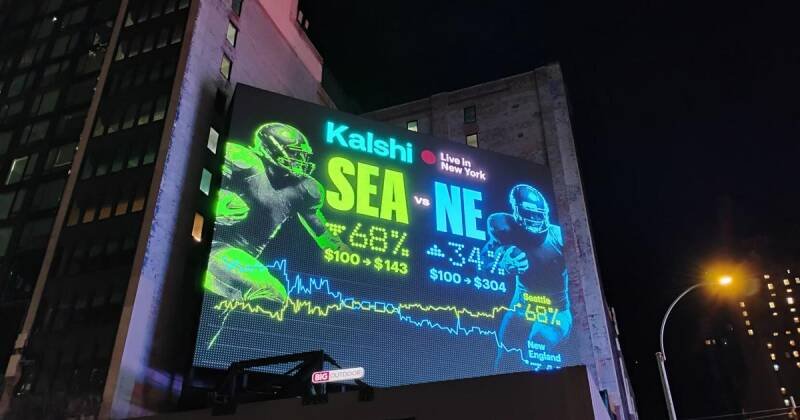
Kalshi is a unique online platform that allows users to trade on the probability of future events. Unlike traditional stock markets, Kalshi focuses on "event contracts." These contracts allow users to buy "yes" or "no" shares on whether a specific event will occur. For example, will a certain political candidate win an election? Will the price of oil reach a certain level by a specific date? If the event happens, "yes" shares pay out $1; if it doesn't, they expire worthless.
This approach has made Kalshi popular among those seeking to express their opinions on future outcomes and potentially profit from their predictions. It’s drawn a user base that includes political junkies, financial analysts, and even those just looking for a novel way to engage with current events.
The potential ban in Nevada has broader implications than just affecting users within the state. It highlights the ongoing debate surrounding the regulation of prediction markets. These markets often operate in a gray area between traditional gambling and financial trading, making regulatory oversight complex and sometimes conflicting. The outcome of this hearing could set a precedent for other states considering similar restrictions on prediction market platforms.
The core of the debate revolves around whether Kalshi should be classified as gambling. Opponents often argue that allowing people to bet on events could be harmful and that Kalshi may skirt traditional gambling regulations. Supporters contend that Kalshi offers a valuable tool for forecasting and hedging risk, distinguishing it from mere gambling. They highlight the educational value of these markets and the potential for improved decision-making through collective intelligence.
In our opinion, the distinction lies in the purpose and application of the platform. While there's undeniably an element of speculation involved, Kalshi can be used for more than just entertainment. Businesses, for example, could use it to hedge against potential disruptions or to gauge the likelihood of a particular policy change impacting their operations. This strategic application differentiates it from a simple game of chance.
The legal status of Kalshi and similar platforms is often determined by regulatory bodies like the Commodity Futures Trading Commission (CFTC). The CFTC has previously allowed Kalshi to operate under specific conditions, but this doesn't guarantee consistent approval across all states. The Nevada case hinges on how the state interprets its own laws regarding gambling and financial trading.
The outcome of this case could impact other prediction markets like PredictIt, a similar platform that allows users to predict political outcomes. A ban on Kalshi in Nevada could embolden other states to follow suit, further restricting the availability of these markets to the public.
The future of Kalshi and other prediction markets hinges on ongoing legal battles and regulatory decisions. The Nevada court hearing will likely be closely watched by industry stakeholders and regulators alike. If Kalshi is banned, it could lead to increased scrutiny and potentially stricter regulations in other states. Conversely, a favorable ruling could pave the way for further expansion and acceptance of prediction markets as legitimate tools for forecasting and risk management.
This could impact the way investors, businesses, and even governments approach decision-making, leveraging the collective wisdom of prediction markets to make more informed choices. Whether this potential becomes reality depends heavily on the outcome of cases like the one unfolding in Nevada.
We believe that the legal challenges faced by Kalshi highlight the need for clear and consistent regulations for prediction markets. A balanced approach that protects consumers while allowing for innovation is crucial to realizing the full potential of these platforms.