Jelly the Bear Cub: Rescue, Recovery, and What It Means for Wildlife
Learn about the rescue of Jelly, a bear cub found near Kamloops, and explore the implications for wildlife conservation and human-animal interaction.



Learn about the rescue of Jelly, a bear cub found near Kamloops, and explore the implications for wildlife conservation and human-animal interaction.
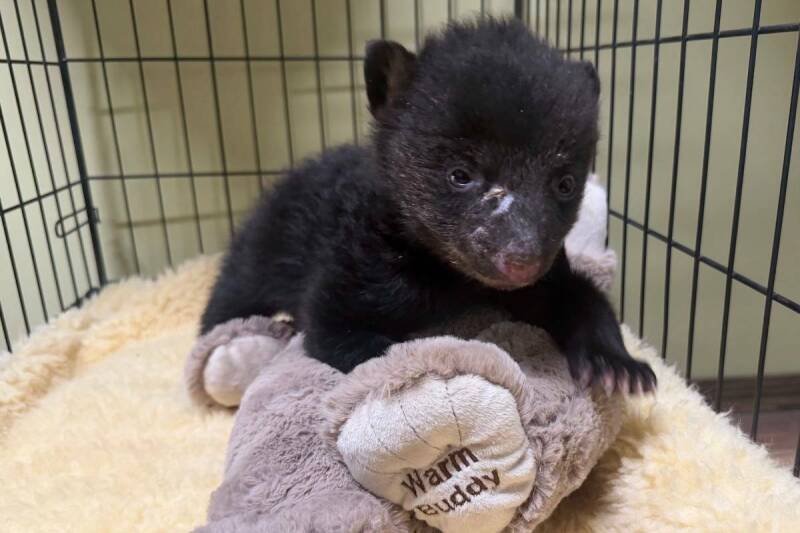
A heartwarming tale unfolded near Kamloops, British Columbia, on March 23rd, World Bear Day, with the rescue of a young bear cub. Now affectionately named Jelly, this little guy was found alone near Heffley Lake, sparking a rapid response from wildlife officials and animal welfare advocates.
The circumstances surrounding Jelly's abandonment are still unclear. Young bear cubs rarely venture out alone at such a tender age, leading rescuers to believe his mother may have been lost or injured. Heffley Lake is a popular recreational area, and while interactions with bears are not uncommon, finding a cub completely isolated raises serious concerns.
Animal rescue teams responded swiftly, carefully approaching the cub to ensure its safety and well-being. He was assessed on-site before being transported to a wildlife rehabilitation center.
At the rehabilitation center, Jelly is receiving round-the-clock care, including proper nourishment and medical attention. Wildlife experts are working diligently to ensure his health and prepare him for an eventual return to the wild. The process is delicate, as care givers must limit human interaction, otherwise Jelly will become acclimated and unable to survive in the wild.
Jelly's story highlights several critical issues:
The rescue of Jelly also serves as a reminder of the compassion and dedication of individuals and organizations working tirelessly to protect vulnerable animals. It shines a light on their efforts and inspires others to get involved in conservation initiatives.
In our opinion, Jelly's rescue is a microcosm of broader challenges facing wildlife conservation. Expanding human development and climate change are putting increasing pressure on animal populations, making events like this more frequent. While the immediate focus is on Jelly's well-being, we can't ignore the underlying issues that led to his abandonment.
This could impact local ecosystems if mother bears continue to be separated from their cubs at an increased rate. The delicate balance of predator-prey relationships could be altered, leading to unforeseen consequences.
While the exact reason for Jelly's abandonment is unknown, the increasing prevalence of unpredictable weather patterns caused by climate change cannot be ignored. For example, in some cases early snow melt could mean more recreationists are out and about, but this early melt could mean bear's food sources have not yet emerged for the spring.
Jelly's journey to recovery will be closely monitored. Assuming he thrives at the rehabilitation center, the goal is to reintroduce him to the wild, hopefully with skills that prepare him for survival. However, the future of bear populations in the region is uncertain, given ongoing environmental pressures.
Increased public awareness and support for conservation efforts are crucial. This includes responsible recreation practices, reducing our carbon footprint, and supporting organizations dedicated to wildlife protection. Long term, increased funding for wildlife rehabilitation and research is needed to proactively prepare for and mitigate the impact of climate change on local ecosystems and wildlife populations.
By learning from Jelly's story and taking meaningful action, we can help ensure a brighter future for bears and other vulnerable species.
























