Hyundai IONIQ Comes to China: What It Means for the Future of EVs
Hyundai launches its IONIQ electric vehicle brand in China with two new concept cars. Learn why this is a big deal for the EV market and what the future holds.



Hyundai launches its IONIQ electric vehicle brand in China with two new concept cars. Learn why this is a big deal for the EV market and what the future holds.
Hyundai Motor Company has officially launched its all-electric IONIQ brand in China, marking a significant step in its commitment to the rapidly growing New Energy Vehicle (NEV) market. This move signifies a strategic push to gain a foothold in the world's largest EV market.
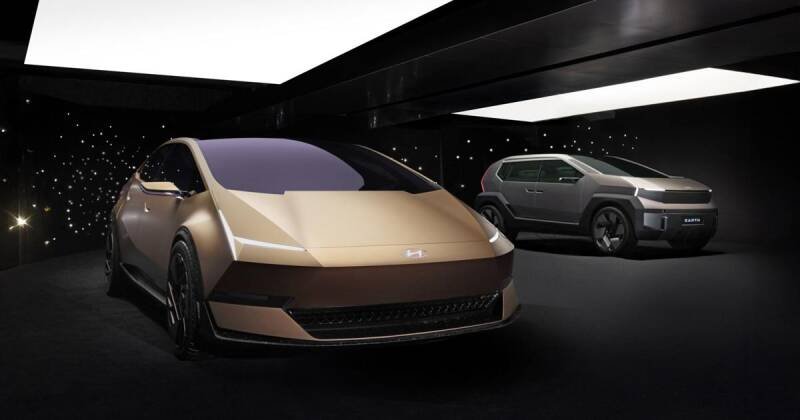
To showcase its vision for the future, Hyundai unveiled two new concept cars that preview the direction the IONIQ lineup will take leading up to Auto China 2026.
While details remain somewhat limited, the announcement focuses on demonstrating Hyundai's design and technological prowess. The reveal of new design concepts signals Hyundai's intent to actively compete in the Chinese EV market, showing potential customers and investors a tangible vision of the future. These concepts, specifically the VENUS Concept sedan, offer a sneak peek at IONIQ's future design language and technology.
The launch of IONIQ in China is far more significant than simply introducing another electric car brand. Here's why it matters:
In our opinion, Hyundai's decision to launch IONIQ as a standalone brand in China is a smart move. It allows them to clearly differentiate their electric offerings and target a specific segment of the market. However, success is far from guaranteed. Chinese consumers have a strong preference for domestic brands, particularly in the EV sector. Hyundai will need to offer compelling products, competitive pricing, and a strong brand image to gain significant market share.
The VENUS concept's design will be critical. It needs to resonate with Chinese consumers and stand out from the plethora of EV offerings already available. Furthermore, Hyundai must quickly establish a robust charging infrastructure and after-sales service network to compete effectively.
This could impact the competitive landscape by forcing other automakers to re-evaluate their China strategies. We anticipate increased marketing efforts and potentially even strategic alliances as companies vie for market share.
The future of IONIQ in China hinges on several factors:
Looking ahead, we expect Hyundai to invest heavily in its Chinese operations, focusing on research and development, manufacturing, and sales and marketing. The success of IONIQ in China will be a key indicator of Hyundai's overall competitiveness in the global EV market. If Hyundai can successfully navigate the challenges and capitalize on the opportunities, IONIQ has the potential to become a major player in the Chinese EV market and beyond.
Ultimately, the next few years will be crucial for Hyundai IONIQ as it aims to establish itself as a leading EV brand in the world's largest automotive market. We will be closely watching their progress.
























