Health Officials Warn: Baby Birds and Salmonella Risk - What You Need to Know
New Mexico health officials warn against giving baby birds as Easter gifts due to the risk of Salmonella. Learn about the dangers, symptoms, and how to protect your family.
Health Officials Warn Against Baby Birds as Easter Gifts: Salmonella Risk Explained
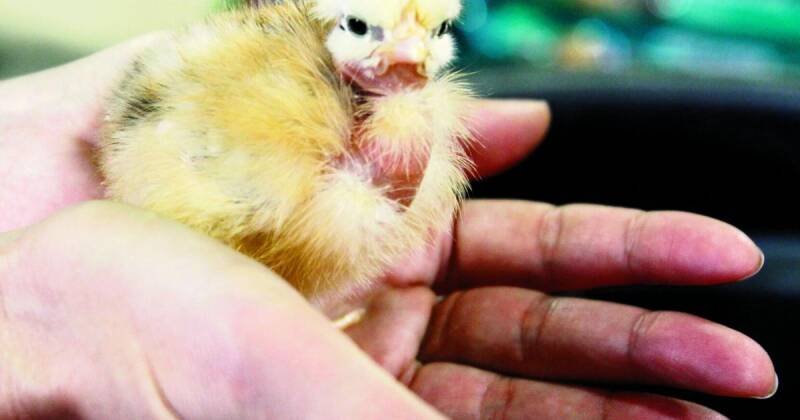
New Mexico health officials have issued a warning against giving baby birds as Easter gifts. The concern? Salmonella. These seemingly harmless, fluffy chicks can carry the bacteria, posing a significant health risk, especially to young children and those with weakened immune systems.
The Connection Between Baby Birds and Salmonella
Salmonella infections often occur after consuming contaminated food or water. However, it's equally important to understand that Salmonella can also be transmitted through contact with animals, their waste, or the environments where they live. Baby birds, including chicks and ducklings, are known carriers. Even if the bird appears healthy, it can still harbor the bacteria. The Centers for Disease Control and Prevention (CDC) regularly issues warnings around Easter time concerning this issue.
Understanding Salmonella and Its Symptoms
Salmonellosis, the infection caused by Salmonella bacteria, can manifest in a variety of ways. Common symptoms include:
- Diarrhea
- Fever
- Stomach cramps
These symptoms typically appear within 12 to 72 hours after exposure. While most people recover within a week without specific treatment, severe cases can require hospitalization. Young children, the elderly, and individuals with compromised immune systems are at a higher risk of serious complications.
Why This News Matters
This isn't just about spoiling the Easter fun. Salmonella infections can be serious, especially for vulnerable populations. Gifting baby birds might seem like a cute idea, but the potential health consequences are substantial. This warning highlights the importance of understanding zoonotic diseases – diseases that can be transmitted from animals to humans.
Our Analysis
In our opinion, the New Mexico Department of Health is taking a proactive and responsible approach by issuing this warning. While the intention behind giving baby birds as gifts is often innocent, the lack of awareness about the associated risks is concerning. Educational initiatives are crucial to prevent unnecessary infections and protect public health. It is important to note that safe handling practices, such as thorough hand washing after contact with animals, can significantly reduce the risk of transmission. However, these practices are often overlooked, especially by young children.
Future Outlook
This situation highlights a broader need for increased public awareness regarding zoonotic diseases and responsible pet ownership. Looking ahead, we can expect to see continued efforts from public health organizations to educate the public about the risks associated with animals, particularly around holiday seasons. Furthermore, stricter regulations regarding the sale and distribution of live poultry might be implemented to minimize the potential for widespread outbreaks. This could impact local hatcheries and pet stores, requiring them to adopt more stringent hygiene protocols and provide comprehensive information to customers.
Protecting Yourself and Your Family
So, what can you do to protect yourself and your family? Here are a few simple precautions:
- Avoid giving baby birds as gifts, especially to young children.
- Always wash your hands thoroughly with soap and water after touching animals or their environments.
- Supervise children closely when they are around animals.
- If you experience symptoms of Salmonella infection, contact your healthcare provider.
Remember, responsible pet ownership and awareness are key to preventing the spread of zoonotic diseases. Let's prioritize health and safety this Easter season and beyond. Choose alternative, risk-free gifts that bring joy without compromising well-being.